
Get Updates
Get notified of breaking news, exclusive insights, and must-see stories!
Home | Political Parties | Pattali Makkal Katchi

Pattali Makkal Katchi

Pattali Makkal Katchi (PMK) is a prominent regional political party in Tamil Nadu, India. Established in 1989 by Dr. S. Ramadoss, PMK primarily advocates for the rights of Tamil communities, with a strong emphasis on caste equality and social justice. The party’s key focus includes farmer welfare, employment generation, and advancements in education and healthcare sectors. Headquartered in Chennai, Pattali Makkal Katchi has played a vital role in Tamil Nadu’s political landscape by addressing regional issues and representing underprivileged groups. PMK’s significant influence extends to rural development policies and environmental advocacy. Its political campaigns center on economic reforms, sustainable growth, and empowering marginalized sections of society. Through its alliances with major national and regional parties, Pattali Makkal Katchi has maintained an impactful presence in parliamentary and legislative elections. With a deep commitment to community-based reforms, PMK continues to shape Tamil Nadu’s socio-political framework effectively.

Read More

By Administrator

Time Square

Monday, October 13, 2025, 03:35:04 PM [IST]

`

Pattali Makkal Katchi (PMK) Information

Party Name Pattali Makkal Katchi
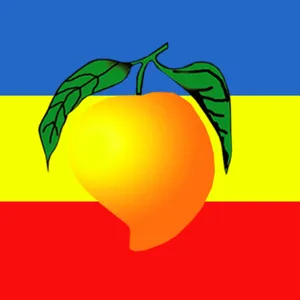
Party Flag
Pattali Makkal Katchi
Party Symbol
Mango
 Mango
Founder S. Ramadoss
Party Founded Date 16 Jul 1989
Party Headquarters

Tindivanam, Villupuram District, Chennai - 604001, Tamil Nadu

Party President Anbumani Ramadoss
General Secretary Vadivel Ravanan
Treasurer Thilagabama
Political Position Right-wing
Website pmkofficial.com

Pattali Makkal Katchi (PMK) Flag

The Election Commission of India allots the Pattali Makkal Katchi election symbol. PMKs reserved symbol is Mango, printed on ballots and EVMs. This symbol identifies candidates across constituencies during notified elections. It anchors the partys political identity in Tamil Nadu contests. ECI publishes the allotted symbol on notifications and results portals.

In alliances, recognized parties continue with their own symbols under seat-sharing. PMK contestants have used Mango while aligning with AIADMK or the NDA. Allied parties field nominees on their symbols in the same constituencies. No officially announced change to PMKs symbol has applied during alliances. Seat-sharing agreements determine constituencies, not the permitted symbol for each party.

PMK: Symbol Usage and Flag Status

The Election Commission of India regulates symbols, not flags, under the Symbols Order. There is no ECI-sanctioned Pattali Makkal Katchi flag. The party displays a flag for organization and campaigns, outside ECI regulation. Official election materials carry only the Mango symbol for voter recognition.

Campaign creatives often show a Party Logo echoing the Mango for clarity. The Party Abbreviation, PMK, appears in publicity and candidate literature. On polling instruments, voters identify the Mango alongside the candidates name. These practices reinforce political identity without altering the statutory symbol.

Read More

Pattali Makkal Katchi (PMK) Ideology

The ideology of Pattali Makkal Katchi (PMK) centers on social justice and equitable representation. The party emphasizes the empowerment of marginalized communities, advocating for caste-based reservation policies. Pattali Makkal Katchi ideology focuses on uplifting economically and socially backward groups through targeted welfare programs and systemic reforms. By addressing rural distress and education disparities, the party aligns its agenda towards inclusive development and equality within Tamil Nadu's socio-political fabric.

Among the core Pattali Makkal Katchi principles is a commitment to caste harmony and cultural preservation. PMK prioritizes rural development and agrarian well-being, with an emphasis on farmers’ rights and sustainable agricultural practices. The party's governance model focuses on decentralization, transparency, and people-centric policies. Their political philosophy advocates for economic opportunities and social equity to enable holistic societal growth, especially for underrepresented groups.

PMK’s Socio-Economic Goals and Grassroots Approach

In accordance with Pattali Makkal Katchi principles, their agenda highlights youth empowerment and employment creation. PMK integrates vocational training programs and policies aimed at bridging the skills gap. The party’s governance model underscores federalism and decentralized decision-making, ensuring regional-specific policy implementations. Through targeted outreach, the political philosophy of PMK addresses issues in education, health, and local infrastructure, promoting grassroots-level empowerment and sustainable development across Tamil Nadu's landscape.

Read More

Pattali Makkal Katchi (PMK) Principles

Pattali Makkal Katchi (PMK) principles emphasize the welfare and empowerment of marginalized communities, especially farmers. The political party ideology revolves around creating a society rooted in social justice and promoting grassroots economic growth. Key party values include equity in opportunities, rural development, and access to quality education for all. These principles aim at uplifting disadvantaged groups through targeted governance models focused on inclusivity.

PMK political beliefs advocate for policies that prioritize environmental protection and sustainable agricultural practices. Strongly rooted in Tamil Nadu’s societal and economic framework, the Pattali Makkal Katchi principles stress regional self-reliance and cultural preservation. Their governance model supports empowering local bodies to foster development tailored to community needs. Furthermore, PMK ideology underscores the importance of healthcare accessibility in underserved areas.

Commitment to Education and Social Justice: PMK Principles

Another key component of PMK's ideology is the promotion of quality education as a tool for upliftment. Education reforms emphasizing skill-building and employment generation are key to the party values. Pattali Makkal Katchi principles focus on dismantling caste-based inequalities through legislation and advocacy. By addressing societal hierarchies, PMK's governance model aims to strengthen equality-driven political beliefs.

PMK's extensive focus on rural welfare, inclusive development, and transparent governance aligns with Tamil Nadu’s socio-economic dynamics. These principles contribute significantly to shaping their political ideology and long-term vision of balanced growth across the region.

Read More
Pattali Makkal Katchi (PMK) Organisation Structure

The political party Pattali Makkal Katchi (PMK) is known for its systematic organization and structure, which ensures the smooth functioning of its various activities. With a hierarchical framework designed to address grassroots concerns, the party's structure emphasizes decentralized decision-making and the inclusion of diverse voices.

PMK's leadership framework is spearheaded by its party president, a crucial figure in formulating the party's vision and strategies. The president collaborates closely with senior leaders to align local and national interests with the overarching party ideology. This top-down approach ensures cohesive operations across different regions while maintaining unity in the party's objectives.

Pattali Makkal Katchi (PMK): Key Leadership Roles

Below the president, the governing body forms the core decision-making group in PMK's leadership. This body includes vice presidents, general secretaries, treasurers, and other senior positions tasked with implementing policies. These individuals play a pivotal role in creating strategies to address diverse socio-political challenges.

Another integral part of PMK's organization is its working committee. This committee, comprising seasoned members, oversees the operational aspects such as campaign planning, resource mobilization, and issue-based decision-making processes. By maintaining this structured hierarchy, the party ensures efficiency in achieving its political agenda.

PMK's Party Organization and Grassroots Framework

PMK places significant importance on its grassroots organization, reflecting its connection with the people. The party's network extends down to the village level, where local committees function as the foundation of its operations. Regional coordinators monitor these activities to ensure alignment with party policies.

The youth and women’s wings play an essential role in strengthening the PMK organization. These wings not only promote inclusivity but also enhance their reach among various demographics. Specific programs conducted by these departments enable them to address local concerns effectively.

Decision-Making Processes within PMK

The decision-making process in PMK follows a consultative system, allowing input from regional leaders and grassroots representatives. Regular meetings and conventions enable the leadership to gather feedback on key issues and tailor decisions to benefit their support base.

PMK's election strategy often involves careful planning by its working committee and core leaders. Every candidate selection process requires thorough vetting, ensuring alignment with the party’s principles and policies. The governing body's role remains vital during these critical processes.

Internal Structure and Hierarchy of PMK

PMK's internal hierarchy is designed for maximum accountability. The party headquarters coordinates nationwide operations while appointing state-level units to oversee regional activities. State presidents implement decisions taken at the central level, ensuring consistency in their political framework.

Apart from state presidents, district secretaries handle micro-level operations across smaller constituencies. Regular communication between central, state, and district leaders guarantees streamlined administration. This interconnected hierarchy strengthens the party’s foundation.

Governing Documents and Political Framework of PMK

PMK adheres to a political framework guided by a formal constitution detailing the roles of its governing bodies. Each position's responsibilities, election procedures, and decision-making guidelines ensure transparency within the organization.

PositionResponsibility
PresidentStrategic planning and overall leadership
Vice PresidentsPolicy development and advocacy
General SecretariesOperational management and coordination
TreasurerFinancial oversight
Regional CoordinatorsMonitoring local units

Such a structured organization allows PMK to remain consistent in promoting its goals and addressing regional aspirations. From grassroots involvement to efficient leadership, the party continues to align its operations with its foundational objectives.

Read More

Pattali Makkal Katchi (PMK) Timeline

2023

PMK continued to focus on regional issues, particularly advocating for Vanniyar community\'s rights and upliftment.

2019

PMK became a significant regional ally for the NDA in Tamil Nadu during state elections.

2014

PMK aligned with the Bharatiya Janata Party (BJP)-led National Democratic Alliance (NDA) for the 2014 Lok Sabha elections.

2009

The PMK parted ways with the UPA before the 2009 general elections and contested independently.

2004

PMK joined the United Progressive Alliance (UPA) led by the Indian National Congress and became part of the ruling coalition at the center.

1998

PMK contested elections and won 4 seats in the Indian Lok Sabha during the 1998 general elections in alliance with BJP.

1996

PMK forged an alliance with the DMK for the Indian general elections and state assembly elections.

1989

Dr. S. Ramadoss founded the Pattali Makkal Katchi (PMK), a political party in Tamil Nadu, India, primarily representing the Vanniyar community.

Disclaimer:The information provided on this page is sourced from various publicly available platforms including https://en.wikipedia.org/, https://sansad.in/ls, https://sansad.in/rs, https://pib.gov.in/, https://affidavit.eci.gov.in/ and the official websites of state assemblies respectively. While we make every effort to maintain the accuracy, comprehensiveness and timeliness of the information provided, we cannot guarantee the absolute accuracy or reliability of the content. The data presented here has been compiled without consideration of the objectives or opinions of individuals who may access it.

Notifications
Settings
Clear Notifications
Notifications
Use the toggle to switch on notifications
  • Block for 8 hours
  • Block for 12 hours
  • Block for 24 hours
  • Don't block
Gender
Select your Gender
  • Male
  • Female
  • Others
Age
Select your Age Range
  • Under 18
  • 18 to 25
  • 26 to 35
  • 36 to 45
  • 45 to 55
  • 55+