Get Updates
Get notified of breaking news, exclusive insights, and must-see stories!
Home | Political Parties | Puthiya Tamilagam

Puthiya Tamilagam

Puthiya Tamilagam, a prominent political party in Tamil Nadu, actively champions the rights and welfare of marginalized communities. Since its founding, it has focused on addressing social justice, equality, and political representation, particularly for Dalits and underrepresented groups. The party’s core ideology revolves around inclusive development and eradicating inequalities in Tamil society.

Established by its charismatic leader Dr. K. Krishnasamy, Puthiya Tamilagam emphasizes education, healthcare, and rural empowerment as critical pillars of progress. Known for advocating caste-related reforms, it plays a significant role in Tamil Nadu’s political discourse. The party engages with crucial issues surrounding land rights, caste discrimination, and regional socioeconomic challenges, mobilizing substantial grassroots support.

Through its alliances and electoral campaigns, Puthiya Tamilagam has gained recognition in state and national politics. Its vision of an equitable Tamil Nadu resonates with those striving for social transformation. The party continues to influence policymaking and public conversations with its progressive mission.

Read More

By Administrator

Time Square

Monday, October 13, 2025, 04:25:04 PM [IST]

`

Puthiya Tamilagam (PT) Information

Party Name Puthiya Tamilagam
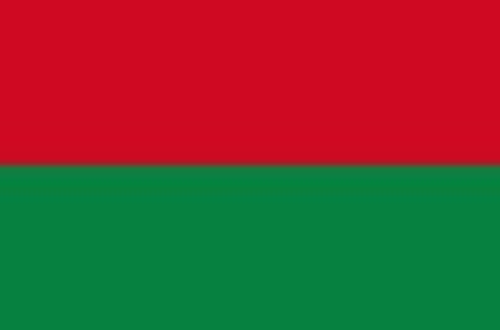
Party Flag
Puthiya Tamilagam
Founder K. Krishnasamy
Party Founded Date 15 Dec 1997
No. of MPs Loksabha : 0
Rajyasabha : 0
Party Headquarters

Pothigai Illam,1/2A, VGM Street, Nungambakkam, Chennai�600034, Tamil Nadu, India.

Party President K. Krishnasamy
General Secretary K. Krishnasamy
Student Wing PT Students' Wing
Youth Wing PT
Women's Wing PT
Political Position Centre-right
Website www.ptparty.org

Puthiya Tamilagam (PT) Flag

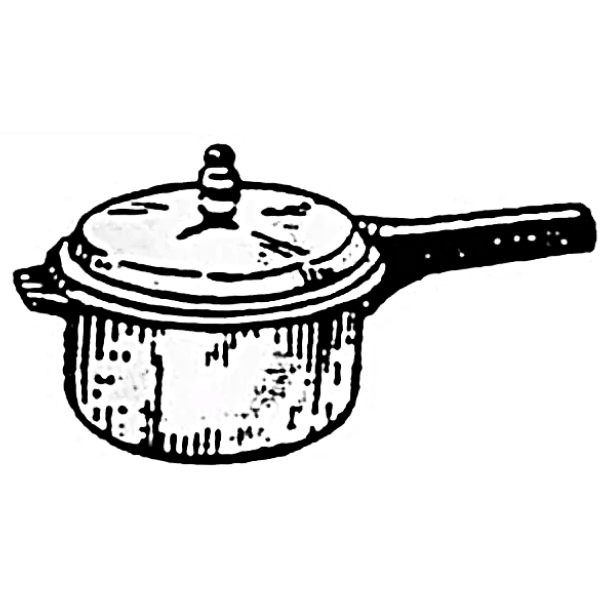
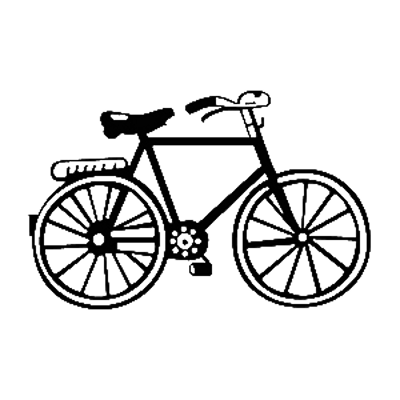
Puthiya Tamilagam election symbol is not permanently reserved with the Election Commission of India. As a registered unrecognised party, PT receives free symbols under Election Symbols Order, 1968. Its political identity on ballots can vary between contests. A onetime common symbol may be allowed if conditions are met.

In alliances, symbol use shifts. In 2019, K. Krishnasamy contested Tenkasi on AIADMKs Two Leaves under seatsharing. In March 2024, he again chose Two Leaves, citing delayed allotment by the Commission. The Puthiya Tamilagam flag and Party Logo are also not recognised by the Commission.

PT: Symbols and Flag

When contesting independently, PT candidates have used free symbols allotted by returning officers. In the 2001 Tamil Nadu Assembly election, the party contested on the Lock symbol. Such allocations follow the Election Symbols Orders rules for unrecognised parties. They may seek a common or individual symbol.

No officially recognised Puthiya Tamilagam flag exists within the Election Commission of India framework. Party banners and any Party Logo used in publicity are internal identifiers. They are not part of the ballot. Voters should look for the assigned election symbol or an allys symbol, depending on seatsharing. Note the party abbreviation PT.

Read More

Puthiya Tamilagam (PT) Ideology

The ideology of Puthiya Tamilagam revolves around empowering marginalized communities, particularly Scheduled Castes and Scheduled Tribes. The party prioritizes social justice and equality, advocating for inclusive development to address historic disparities. Its political philosophy emphasizes the upliftment of vulnerable sections through education, employment, and access to government resources. This commitment to empowerment underscores its governance model and party agenda.

Puthiya Tamilagam principles include strong opposition to caste discrimination and policies promoting equitable resource allocation. The party actively supports reforms in rural healthcare, agrarian policies, and welfare measures for disadvantaged communities. Additionally, it advocates for expanding opportunities for small-scale farmers and laborers to improve economic conditions. These principles reflect its ideology of fostering a fair and just socio-economic environment.

Puthiya Tamilagam’s Policy Priorities and Governance Model

Puthiya Tamilagam’s governance model emphasizes decentralization, ensuring local communities play a critical role in decision-making processes. The party agenda includes reforms targeting infrastructure development in rural and underrepresented regions. Moreover, its policies seek to enhance education quality and accessibility, bridging gaps caused by economic disparities. This comprehensive approach highlights its focus on holistic growth and sustainable development.

The political philosophy of Puthiya Tamilagam also addresses ecological sustainability, advocating for policies that support water conservation and renewable energy. By integrating caste-based equity with environmental responsibility, the party ideology stands out as a unique blend. Its principles and governance priorities consistently aim at creating a balanced and inclusive society for Tamil Nadu.

Read More

Puthiya Tamilagam (PT) Principles

Puthiya Tamilagam principles emphasize social justice, equality, and inclusive governance as the core of its ideology. The party focuses on empowering marginalized communities, especially Scheduled Castes and Tribes, by advocating equitable resource distribution and representation. Upholding federalism, it calls for decentralization of power and strengthening state autonomy in policy decisions.

A key political belief of Puthiya Tamilagam is its commitment to eradicating caste discrimination and fostering social harmony. The party supports education, healthcare, and employment initiatives targeted at underprivileged sections. Its governance model emphasizes grassroots democracy, prioritizing local solutions to socio-economic challenges while addressing environmental sustainability effectively.

Puthiya Tamilagam Party Values and Governance Ideology

Party values promote inclusivity and welfare-driven development, opposing any policies harming vulnerable sections. Puthiya Tamilagam advocates for transparency and accountability in government functioning, ensuring every citizen's voice is heard. Its ideology aligns with sustainable economic growth balanced with societal progress for all communities.

A distinct principle of Puthiya Tamilagam is preserving Tamil heritage and cultural identity. The party combines this cultural focus with progressive development policies, reflecting its nuanced political beliefs. It also emphasizes modernizing agricultural practices and supporting rural livelihoods while respecting traditional knowledge systems, ensuring holistic progress for Tamil Nadu.

Read More
Puthiya Tamilagam (PT) Organisation Structure

The Puthiya Tamilagam political party operates with a clearly defined structure to support its objectives. The organizational framework is designed to facilitate efficient decision-making and leadership coordination. At its core, the party’s structure emphasizes collective collaboration while maintaining a hierarchical chain of command. Key divisions include the central governing body, state-level committees, district units, and regional cells, which ensure smooth political operations across Tamil Nadu.

The central governing body of Puthiya Tamilagam serves as the chief decision-making entity within the party. It comprises key leaders who oversee strategy, policy formulation, and high-level decision-making processes. This body is responsible for guiding the party’s direction on political, social, and economic issues. Members of this governing body are selected through an internal voting mechanism, ensuring a democratic and transparent approach to leadership selection.

Puthiya Tamilagam Leadership and the Party Hierarchy

Leadership within Puthiya Tamilagam follows a hierarchical model, with the party president at the helm. The president functions as the primary authority, guiding political campaigns, mobilizing resources, and representing the party in public forums. Supporting the president are vice presidents, general secretaries, and treasurers, each assigned specific administrative roles to maintain cohesion within the organization.

Below this top leadership tier, the party structure includes regional leaders who act as intermediaries between the central leadership and local units. These regional leaders are tasked with implementing central policies in their respective areas. They also coordinate with district committee heads to address local issues and ensure alignment with state-level objectives. This hierarchical design reinforces the party’s core political framework.

Party Organization at State and District Levels

At the state level, Puthiya Tamilagam operates via dedicated committees that manage state-wide initiatives and political activities. Each state committee has specialized wings, such as youth wings, women’s forums, and minority cells, which cater to specific demographics. These groups foster inclusivity while mobilizing grassroots support for the party’s agenda.

District units, another critical component of the Puthiya Tamilagam structure, focus on addressing issues unique to their areas. District leaders work directly under state-level committees, ensuring seamless communication and operational efficiency. These units handle local political campaigns, membership drives, and grievance redressal, reflecting the party’s localized approach to governance.

Decision-Making Processes in Puthiya Tamilagam

Puthiya Tamilagam employs a participatory decision-making process to maintain transparency and accountability. Key decisions are made during council meetings attended by representatives from all organizational levels. Important proposals and resolutions are debated, voted on, and documented, ensuring democratic practices within the party. This process strengthens the party’s internal democratic fabric and fosters trust among its members.

The organizational structure also includes advisory boards comprising senior leaders and subject matter experts. These boards provide strategic guidance on policy matters and political outreach efforts. Their expertise plays a vital role in shaping the party’s long-term vision and sustaining its relevance amidst dynamic political landscapes.

Special Committees and Operational Flexibility in Puthiya Tamilagam

To address evolving challenges, Puthiya Tamilagam forms ad-hoc committees for specific projects, such as election strategies or alliance negotiations. These task forces operate under the supervision of the central governing body and collaborate with regional leaders to achieve targeted goals. This operational flexibility ensures the party’s swift response to political opportunities or crises.

The decentralized nature of these committees supports grassroots mobilization while enabling adaptability in governance. By combining hierarchical oversight with local autonomy, Puthiya Tamilagam achieves a balanced political framework that aligns regional interests with national ambitions.

Read More

Puthiya Tamilagam (PT) Timeline

2021

The party focused on organizing protests and activities to raise awareness about caste-based violence and the need for equal opportunities for marginalized communities.

2019

Puthiya Tamilagam increased its advocacy for Dalit rights and caste-based equality ahead of and during the 2019 Indian general elections.

2014

Puthiya Tamilagam entered into an alliance with the Bharatiya Janata Party (BJP) during the 2014 Indian general elections to expand its influence.

2011

The party emphasized its demand for proportional Dalit representation in key positions of power within the state government and political framework.

2001

Puthiya Tamilagam formed an alliance with the All India Anna Dravida Munnetra Kazhagam (AIADMK) during the state elections in 2001.

1996

Dr. K. Krishnasamy founded the Puthiya Tamilagam political party with the aim of representing the interests of the Scheduled Castes and other marginalized communities in Tamil Nadu.

1996

Puthiya Tamilagam started gaining traction by focusing on Dalit empowerment and addressing caste-based inequalities, with its base primarily in southern Tamil Nadu.

Disclaimer:The information provided on this page is sourced from various publicly available platforms including https://en.wikipedia.org/, https://sansad.in/ls, https://sansad.in/rs, https://pib.gov.in/, https://affidavit.eci.gov.in/ and the official websites of state assemblies respectively. While we make every effort to maintain the accuracy, comprehensiveness and timeliness of the information provided, we cannot guarantee the absolute accuracy or reliability of the content. The data presented here has been compiled without consideration of the objectives or opinions of individuals who may access it.

Notifications
Settings
Clear Notifications
Notifications
Use the toggle to switch on notifications
  • Block for 8 hours
  • Block for 12 hours
  • Block for 24 hours
  • Don't block
Gender
Select your Gender
  • Male
  • Female
  • Others
Age
Select your Age Range
  • Under 18
  • 18 to 25
  • 26 to 35
  • 36 to 45
  • 45 to 55
  • 55+