Get Updates
Get notified of breaking news, exclusive insights, and must-see stories!
Home | Political Parties | Kongunadu Makkal Desia Katchi

Kongunadu Makkal Desia Katchi

Kongunadu Makkal Desia Katchi (KMDK) is a regional political party rooted in Tamil Nadu's Kongu Nadu region. Established to represent the aspirations of Kongu region residents, the party emphasizes regional empowerment, economic development, and social welfare. KMDK plays a pivotal role in addressing local issues and promoting cultural identity within Tamil Nadu's vibrant political spectrum.

Focused on agricultural reforms and rural upliftment, Kongunadu Makkal Desia Katchi has garnered notable support among farmers and small-scale industries. The party’s commitment to protecting farmers’ rights and enhancing rural livelihoods is a cornerstone of its political agenda. Additionally, KMDK advocates federalism, regional representation, and inclusive development policies.

KMDK actively participates in Tamil Nadu's political alliances, leveraging strategic partnerships to amplify its influence. With a strong regional focus and deep community ties, Kongunadu Makkal Desia Katchi continues to shape local governance by voicing concerns of the Kongu Nadu population.

Read More

By Administrator

Time Square

Monday, October 13, 2025, 04:45:05 PM [IST]

`

Kongunadu Makkal Desia Katchi (KMDK) Information

Party Name Kongunadu Makkal Desia Katchi
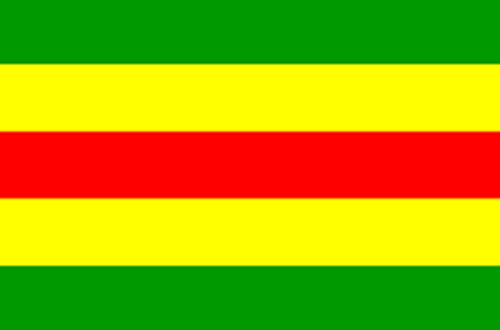
Party Flag
Kongunadu Makkal Desia Katchi
Founder E.R.Eswaran
Party Founded Date 27 Mar 2013
No. of MPs Loksabha : 1
Rajyasabha : 0
Party Headquarters Administrative Office, Door no. 46, Sampath Nagar, Erode
General Secretary E. R. Eswaran
Website www.kmdk.in

Kongunadu Makkal Desia Katchi (KMDK) Flag

Kongunadu Makkal Desia Katchi election symbol is not currently recognized. The Election Commission of India delisted KMDK in September 2025. Therefore, no reserved symbol exists today. The Commission allots symbols under its Symbols Order. Any Kongunadu Makkal Desia Katchi flag claims remain outside official records. As per recent reports.

During alliances, KMDK candidates have used the DMKs Rising Sun. In 2021 Assembly polls, seats were won on that symbol under seat-sharing. In 2024, Namakkal was won by V.S. Matheswaran on the Rising Sun. Party Logo placement followed the alliances ballot symbol guidelines, as notified by authorities.

KMDK: Symbol use and flags

Before delisting, KMDK was a registered unrecognised party. Such parties lack a permanently reserved symbol. The Election Commission of India may grant a common symbol for specific polls on application. Alliances often require partners to contest on the lead partys emblem. That shapes political identity across constituencies. in each cycle.

No officially recognized Kongunadu Makkal Desia Katchi flag exists within ECI frameworks. Party-created flags may appear in events or media, yet remain unofficial. For upcoming contests, symbol usage will depend on alliances and ECI allotment, given delisting. Candidates should reference seat-sharing agreements and notified symbol lists before filing with returning officers notifications.

Read More

Kongunadu Makkal Desia Katchi (KMDK) Ideology

The ideology of Kongunadu Makkal Desia Katchi (KMDK) focuses on preserving regional identity and empowerment. Anchored in promoting Kongu Nadu's socio-economic development, the party emphasizes advocacy for local governance, cultural heritage, and equitable resource distribution. This political philosophy addresses regional disparities within Tamil Nadu, aiming to strengthen rural infrastructure and development while maintaining a commitment to inclusive growth that uplifts marginalized communities.

Kongunadu Makkal Desia Katchi principles revolve around empowering farmers, enhancing agricultural sustainability, and protecting traditional livelihoods. The party agenda advocates for better prices for agricultural produce, irrigation reforms, and policies that prioritize agrarian communities’ welfare. Education, healthcare, and employment generation also remain prominent aspects of their governance model, aligning with KMDK’s vision to foster a self-sufficient regional population.

KMDK’s Political Philosophy and Regional Development Focus

Kongunadu Makkal Desia Katchi ideology underscores federalism, seeking autonomy in decision-making on state-centric issues. KMDK actively promotes decentralization, advocating for policies that reflect the interests of Kongu Nadu’s population. Their governance model demands equitable allocation of Tamil Nadu’s budgets, emphasizing rural upliftment and regional balance. Such positions resonate strongly with the party’s commitment to regional development.

The party agenda further extends to environmental conservation, urging eco-friendly agricultural practices and sustainable resource usage. Rooted in local cultural identity, Kongunadu Makkal Desia Katchi principles advocate empowering Tamil Nadu’s Kongu Nadu region with actionable, locally-centred governance strategies. Their political philosophy seeks to address grassroots challenges while fostering inclusive progress.

Read More

Kongunadu Makkal Desia Katchi (KMDK) Principles

The Kongunadu Makkal Desia Katchi principles are centered on addressing regional developmental needs and cultural preservation. The party prioritizes agriculture-driven economic growth, ensuring welfare for farmers and rural communities. It emphasizes equitable water resource distribution, reflecting its commitment to sustainable resource management within Tamil Nadu.

Rooted in Tamil cultural identity, the Kongunadu Makkal Desia Katchi ideology upholds regional heritage and language promotion. It advocates policies to prioritize local employment opportunities, reinforcing its pro-youth governance model. The party also focuses on efficient governance practices to support industrial development in Kongu Nadu.

KMDK's Stance on Welfare and Social Reform

Promoting social justice is a core value of Kongunadu Makkal Desia Katchi. The party supports reservations for socially disadvantaged communities to ensure inclusivity. It seeks to eradicate systemic inequalities by encouraging reforms in education and skill development initiatives. This reflects in their policy-driven political beliefs.

KMDK principles also emphasize protecting farmers' rights, advocating for minimum support prices and debt relief programs. The party’s governance model incorporates targeted measures to foster rural development. In infrastructure planning, the party stresses balanced regional growth to reduce disparity in Kongu Nadu.

Through its focused strategy, Kongunadu Makkal Desia Katchi ideology ensures alignment with the aspirations of people in Tamil Nadu. Its principles embody sustainable growth, fairness, and development-oriented policies.

Read More
Kongunadu Makkal Desia Katchi (KMDK) Organisation Structure

The Kongunadu Makkal Desia Katchi (KMDK) has a clear internal organization and well-defined leadership structure. This political party operates on the principles of regional advocacy and grassroots connection, focusing on localized issues. The KMDK is structured around distinct governing bodies that facilitate decision-making processes across its different organizational levels. A strong emphasis is placed on maintaining transparent communication and accountability within the party hierarchy.

At the core of KMDK's organization is its central governing body, which oversees overall strategic decisions. This body comprises senior leaders who are responsible for policy formulation and guiding the party's direction. Regular meetings are conducted to align the party’s goals with the interests of its members and supporters. The distribution of roles within the central governing body supports collective decision-making while empowering individual leaders to manage specific responsibilities.

Leadership Structure of Kongunadu Makkal Desia Katchi (KMDK)

The KMDK leadership comprises a president, vice-presidents, secretaries, and a general council. The president holds the highest authority within the party and is responsible for coordinating key initiatives. Vice-presidents assist the president in managing party functions and oversee operational decisions. The secretaries manage specific organizational tasks such as membership, finances, campaign planning, and public relations. This tiered leadership structure ensures efficiency within the party organization.

The general council operates as an advisory panel that provides valuable input to the leadership. This council consists of senior party members, intellectuals, and regional representatives, enabling diverse perspectives. Decisions made by the KMDK leadership are often deliberated within the general council to ensure broader agreement. The leadership structure reflects the party’s commitment to collective governance while maintaining a central figure for executive control.

Hierarchy and Role Distribution in KMDK

The party hierarchy in KMDK is designed with a focus on decentralized operations. At the grassroots level, regional committees represent different constituencies and communities. These committees report directly to the state committee, which serves as the intermediary between local units and the central governing body. This multi-level political framework ensures seamless coordination between regional leaders and the party’s central leadership.

Table 1 below illustrates the hierarchy and functions within the KMDK framework.

LevelRolesResponsibilities
Central Governing BodyPresident, Vice Presidents, General SecretariesPolicy formulation, strategic planning, and decision-making
State CommitteeState Secretary, Regional CoordinatorsCoordination of state-level activities and campaigns
Regional CommitteesDistrict Leaders, Zone ManagersManaging constituency-level operations and grassroots mobilization

The decision-making process within KMDK balances top-down directives and grassroots feedback. While core policies are outlined by central leaders, local units are empowered to adapt plans to address community-specific issues. Regular conferences and party meetings allow members to voice concerns and propose new strategies, reinforcing participatory governance practices within the organization.

The KMDK prioritizes inclusivity by ensuring representation of women, youth, and marginalized communities within its decision-making organs. This approach strengthens the party's connection with diverse voter bases while fostering a democratic culture internally. Periodic elections are held to choose leaders at various levels, promoting accountability and encouraging emerging leaders to participate.

Read More

Kongunadu Makkal Desia Katchi (KMDK) Timeline

2023

KMDK remained a strong advocate for the Kongu region, focusing on agricultural development, infrastructure, and education.
2021

KMDK once again aligned with DMK for the 2021 Tamil Nadu Assembly Elections, continuing their political partnership.

2019

KMDK joined the United Progressive Alliance (UPA), led by the DMK, for the 2019 General Elections.

2016

KMDK formed an alliance with the Dravida Munnetra Kazhagam (DMK) for the 2016 Tamil Nadu State elections.

2014

In the 2014 General Elections, KMDK decided to contest independently to highlight its regional and farmer-centric issues.

2011

KMDK contested 7 seats in the Tamil Nadu Legislative Assembly elections in alliance with the All India Anna Dravida Munnetra Kazhagam (AIADMK).

2001

Kongunadu Makkal Desia Katchi (KMDK) was founded as a political party to represent the Kongu region in Tamil Nadu with a focus on regional issues and the development of the Kongu belt.

2001

E. R. Eswaran assumed the role of General Secretary of KMDK, becoming one of the most prominent leaders of the party.

Disclaimer:The information provided on this page is sourced from various publicly available platforms including https://en.wikipedia.org/, https://sansad.in/ls, https://sansad.in/rs, https://pib.gov.in/, https://affidavit.eci.gov.in/ and the official websites of state assemblies respectively. While we make every effort to maintain the accuracy, comprehensiveness and timeliness of the information provided, we cannot guarantee the absolute accuracy or reliability of the content. The data presented here has been compiled without consideration of the objectives or opinions of individuals who may access it.

Notifications
Settings
Clear Notifications
Notifications
Use the toggle to switch on notifications
  • Block for 8 hours
  • Block for 12 hours
  • Block for 24 hours
  • Don't block
Gender
Select your Gender
  • Male
  • Female
  • Others
Age
Select your Age Range
  • Under 18
  • 18 to 25
  • 26 to 35
  • 36 to 45
  • 45 to 55
  • 55+