Get Updates
Get notified of breaking news, exclusive insights, and must-see stories!
Home | Political Parties | Tamil Maanila Congress (moopanar)

Tamil Maanila Congress (moopanar)

The Tamil Maanila Congress (TMC) is a prominent regional political party in Tamil Nadu’s dynamic political landscape. Established in 1996, the party has actively championed state welfare, social justice, and regional identity. Focused on addressing Tamil Nadu’s socio-economic issues, TMC emphasizes policies that promote agricultural development, education reform, and women’s empowerment. Known for its grassroots influence, the party plays a crucial role in shaping Tamil Nadu's political discourse.

As a key player in Tamil politics, Tamil Maanila Congress maintains a strong commitment to preserving Tamil culture and heritage. The party regularly advocates for decentralization of power and effective governance. Through strategic alliances and active public engagement, TMC remains dedicated to representing the interests of Tamil Nadu’s diverse communities. With a legacy rooted in reformist ideals, Tamil Maanila Congress continues to influence the state’s electoral sphere, reflecting the aspirations of its people.

Read More

By Administrator

Time Square

Monday, October 13, 2025, 05:21:37 PM [IST]

`

Tamil Maanila Congress (moopanar) (TMC(M)) Information

Party Name Tamil Maanila Congress (moopanar)
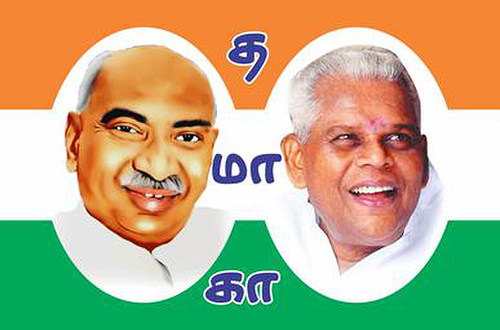
Party Flag
Tamil Maanila Congress (moopanar)
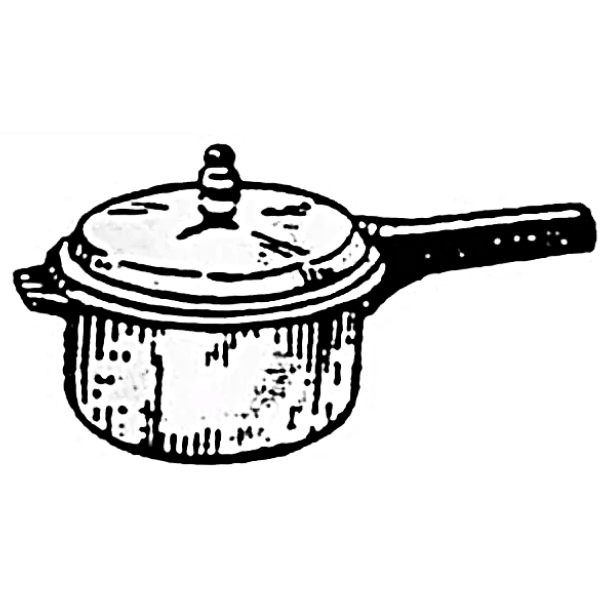
Party Symbol
Cycle
 Cycle
Founder G. K. Moopanar
Party Founded Date 29 Mar 1996
Split From Indian National Congress
No. of MPs Rajyasabha : 1
Party Headquarters

14, 5th Cross Street, Ellaiamman Colony, Teynampet, Chennai - 600086, Tamil Nadu, India.

Party President G. K. Vasan
General Secretary Vidiyal Sekar
Rajya Sabha Leader G. K. Vasan
Student Wing TMC(M) Student Wing
Youth Wing TMC(M) Youth Wing
Women's Wing TMC(M) Women's Wing
Labour Wing TMC(M) Labour Wing
Political Position Centre-right
Website https://tamilmaanilacongressmoopanar.com/

Tamil Maanila Congress (moopanar) (TMC(M)) Flag

Tamil Maanila Congress (Moopanar) election symbol was the bicycle in 1996. It was allotted by the Election Commission of India for that election. In 2002, after merger with Congress, the Commission froze name, flag, and symbol. The revived party pursued bicycle restoration in 2019 and again in 2024.

The Tamil Maanila Congress (Moopanar) flag was unveiled in November 2014. It shows orange, white, and green, with portraits of Kamaraj and G.K. Moopanar. Coverage noted the colour scheme and imagery during the public launch in Chennai. Mentions of Party Logo in reports mirror that unveiling without separate specifications.

TMC(M): Symbol allocations and alliance use

In 2016, TMC(M) received the coconut farm symbol from the Commission. The party then campaigned to popularise the symbol statewide before polling. Talks with AIADMK included using Two Leaves, but TMC(M) insisted on coconut farm. Party Abbreviation TMC(M) accompanied campaign materials, reinforcing political identity.

In 2021, allies allotted TMC(M) six seats; candidates used AIADMKs Two Leaves. This arrangement formed part of a formal seat-sharing agreement within the alliance. Separately, the Election Commission of India consented in 2019 to bicycle allocation if contesting two seats. Unable to meet that condition, TMC(M) sought the bicycle again before 2024 polling.

Read More

Tamil Maanila Congress (moopanar) (TMC(M)) Ideology

The ideology of Tamil Maanila Congress reflects a regional focus grounded in democratic values and balanced governance. The party prioritizes federalism within the framework of Indian unity, emphasizing state-level autonomy in decision-making. Tamil Maanila Congress ideology emphasizes safeguarding the socio-economic welfare of Tamil Nadu while ensuring alignment with national interests.

Key principles of Tamil Maanila Congress include promoting social justice, secularism, and economic growth tailored to Tamil Nadu's needs. Their political philosophy supports empowering marginalized communities, advocating for linguistic identity, and preserving Tamil culture. By focusing on inclusive development, the Tamil Maanila Congress principles aim to bridge social and economic disparities across the state.

Governance Priorities of Tamil Maanila Congress (TMC)

The party agenda strives to establish a governance model centered on transparency, accountability, and regional development. Tamil Maanila Congress believes in strengthening rural and urban infrastructure to foster sustainable economic progress. Their governance model highlights education, healthcare access, and employment generation as critical pillars of their political framework.

Additionally, Tamil Maanila Congress has consistently advocated for the devolution of powers to local bodies. This principle aligns with the party's ideology of grassroots-level democratic participation. Their political philosophy seeks to balance Tamil Nadu's regional aspirations with broader national progress. Tamil Maanila Congress prioritizes cultural preservation alongside rapid growth and infrastructural development.

Read More

Tamil Maanila Congress (moopanar) (TMC(M)) Principles

The Tamil Maanila Congress principles emphasize democratic values, inclusive growth, and regional development for Tamil Nadu. The party upholds federalism, advocating for decentralization of power and balanced governance between the center and the state. Its ideology is deeply rooted in protecting Tamil culture, language, and identity while fostering national unity.

Among the Tamil Maanila Congress principles is the commitment to social justice and equitable welfare policies. The party values the upliftment of marginalized communities, focusing on education, healthcare, and employment opportunities. Their governance model revolves around transparency, accountability, and people-centric decision-making, ensuring effective administration at all levels.

Tamil Maanila Congress Ideology: Federalism and Regional Empowerment

The Tamil Maanila Congress ideology revolves around empowering regional economies and preserving state autonomy. The party actively supports policies benefitting Tamil Nadu's agriculture, industries, and local businesses. It prioritizes sustainable development while safeguarding the environment and natural resources.

Political beliefs of the Tamil Maanila Congress also include rejecting divisive politics and fostering unity among diverse communities. The party promotes inclusive representation in governance, ensuring all sections of society have a voice. Its party values are closely aligned with grassroots development and long-term economic progress.

The Tamil Maanila Congress governance model emphasizes ethical practices, economic equality, and participatory democracy. It seeks to uphold constitutional principles while addressing Tamil Nadu's specific socio-economic challenges.

Read More
Tamil Maanila Congress (moopanar) (TMC(M)) Organisation Structure

The Tamil Maanila Congress (TMC) has a clear organizational structure that defines its political framework. Central to its operations is a well-established party hierarchy that ensures coordinated decision-making processes. This structure facilitates streamlined functioning, with leadership roles clearly laid out for effective governance. The party's strategic organization promotes efficiency in addressing political and social issues across Tamil Nadu.

At the apex of the Tamil Maanila Congress structure is its governing body, which oversees key decisions. Comprising senior leaders, policymakers, and advisors, this body ensures alignment with the party's ideological goals. Leadership under this system is distributed among experienced members to maintain consistent engagement at all levels of governance. Strategic roles within the party hierarchy reflect TMC's focus on grassroots empowerment while maintaining centralized control where necessary.

TMC Leadership Roles and Party Hierarchy

The leadership framework of Tamil Maanila Congress highlights a balanced distribution of responsibility. The President of the TMC serves as the highest authority, guiding the party's activities and representing its stance on critical policy matters. Below the President are Vice Presidents, who oversee specific domains and assist in the execution of the party's programs. Their roles ensure proper delegation of authority, aligning with the TMC's structured organization.

The General Secretary is another crucial position in the Tamil Maanila Congress leadership. This individual oversees the coordination of internal communication, manages party committees, and ensures smooth execution of policies. Regional Secretaries occupy key positions within TMC's party hierarchy, focusing on district-level activities, membership drives, and local elections. These carefully defined roles highlight the structure allowing TMC to implement its political framework effectively.

Tamil Maanila Congress Governing Bodies and Committees

The Tamil Maanila Congress utilizes a committee-based approach to expand its decision-making process. The Executive Committee plays a pivotal role in policy formulation and reviewing electoral strategies. This governing body includes senior party officials, experienced advisors, and key stakeholders who focus on TMC's long-term vision. The committee operates through collective decision-making, ensuring adherence to the political framework of the party.

The Working Committee, another crucial arm of TMC's organizational structure, handles day-to-day operations and immediate challenges. This body works closely with field-level teams to address concerns directly impacting regional and state politics. By linking grassroots-level engagements with higher authorities, TMC ensures a seamless flow of communication and dynamic adaptability. These governing bodies emphasize collaborative leadership, a cornerstone of TMC's structure.

Grassroots Organization and Decision-Making Process

The Tamil Maanila Congress structure actively incorporates grassroots organization into its larger framework. This approach strengthens the party's connection with local communities, allowing it to address regional needs effectively. Booth-level committees form the foundation of the TMC organization, ensuring representation at microlevels. These committees gather feedback, promote party initiatives, and report on challenges encountered by local populations.

The decision-making process within Tamil Maanila Congress is structured to promote inclusivity and transparency. Proposals generated at grassroots levels are channeled upward through district-level representatives. Regional wings of the party then consolidate these inputs, presenting them to the central governing body. This bottom-up approach ensures that decisions align with public expectations while staying rooted in organizational goals. Such practices solidify TMC's leadership structure and effectiveness.

Strategic Roles and Political Framework in TMC

Another essential feature of Tamil Maanila Congress’s political framework is its focus on youth engagement. To encourage participation, TMC has established youth wings, which aim to attract emerging leaders from diverse social backgrounds. These units function autonomously while staying supervised by the core leadership. Women’s wings are also part of TMC's organization, ensuring gender balance within their political framework.

In summary, Tamil Maanila Congress relies on a robust structure featuring effective leadership, centralized governance, and grassroots involvement. Its party hierarchy, governing bodies, and decision-making processes foster a strong political framework, ensuring relevance and adaptability across Tamil Nadu's diverse political landscape. With decentralized operations supported by central oversight, TMC continues to reinforce its standing as a significant political party.

Read More

Tamil Maanila Congress (moopanar) (TMC(M)) Timeline

2019

Tamil Maanila Congress allied with the DMK-led front for the 2019 Lok Sabha elections, extending its presence as a supporting political entity.

2016

Tamil Maanila Congress allied with the DMDK-led alliance for the Tamil Nadu Assembly elections, although it failed to achieve significant electoral success.

2002

G. K. Moopanar, the founder of Tamil Maanila Congress, passed away, which created a leadership vacuum and led to internal challenges within the party.

2002

Following the death of G. K. Moopanar, Tamil Maanila Congress merged back with the Indian National Congress (INC), marking the end of its first phase as an independent political entity.

2002

Vasan announced the reformation of Tamil Maanila Congress as a separate political entity, reviving the party from its earlier merger with INC.

2001

TMC saw a sharp decline in its influence as it contested the Tamil Nadu Assembly elections alone and failed to achieve notable success.

1996

Tamil Maanila Congress (TMC) was founded by G. K. Moopanar after splitting from the Indian National Congress (INC) due to differences over alliance decisions for the Tamil Nadu Assembly elections.

1996

In the Tamil Nadu Assembly elections, TMC allied with the DMK and gained significant success by winning 40 seats.

1996

TMC played a key role in the 1996 Indian general elections by winning 20 Lok Sabha seats, marking its presence in national politics within a year of its formation.

Disclaimer:The information provided on this page is sourced from various publicly available platforms including https://en.wikipedia.org/, https://sansad.in/ls, https://sansad.in/rs, https://pib.gov.in/, https://affidavit.eci.gov.in/ and the official websites of state assemblies respectively. While we make every effort to maintain the accuracy, comprehensiveness and timeliness of the information provided, we cannot guarantee the absolute accuracy or reliability of the content. The data presented here has been compiled without consideration of the objectives or opinions of individuals who may access it.

Notifications
Settings
Clear Notifications
Notifications
Use the toggle to switch on notifications
  • Block for 8 hours
  • Block for 12 hours
  • Block for 24 hours
  • Don't block
Gender
Select your Gender
  • Male
  • Female
  • Others
Age
Select your Age Range
  • Under 18
  • 18 to 25
  • 26 to 35
  • 36 to 45
  • 45 to 55
  • 55+