Get Updates
Get notified of breaking news, exclusive insights, and must-see stories!
Home | Political Parties | Desiya Murpokku Dravida Kazhagam

Desiya Murpokku Dravida Kazhagam

The Desiya Murpokku Dravida Kazhagam (DMDK) is a prominent political party in Tamil Nadu, India. Established in 2005 by renowned actor-turned-politician Vijayakanth, the party has played a significant role in shaping the state’s political landscape. Advocating for social equality, corruption-free governance, and economic development, the DMDK aims to address pressing issues faced by Tamil Nadu’s diverse population.

Over the years, the DMDK gained recognition for its emphasis on regional identity, inclusive policies, and commitment to Dravidian ideals. As a regional political party, it seeks to uphold Tamil culture and promote grassroots upliftment. The party’s engagement in elections and alliances with major national and state-level political entities reflects its importance in Tamil Nadu’s political framework.

The DMDK continues to focus on public welfare, transparency, and accountability while representing the interests of Tamil Nadu’s citizens through its visionary approach to governance and development.

Read More

By Administrator

Time Square

Tuesday, October 14, 2025, 09:59:14 AM [IST]

`

Desiya Murpokku Dravida Kazhagam (DMDK) Information

Party Name Desiya Murpokku Dravida Kazhagam
Party Flag
Desiya Murpokku Dravida Kazhagam
Party Symbol
Nagara
 Nagara
Founder Vijayakant
Party Founded Date 14 Sep 2005
No. of MPs Loksabha : 0
Rajyasabha : 0
Party Headquarters

Captain Aalayam,125/7, Jawaharlal Nehru Salai,Koyambedu, Chennai�600107, Tamil Nadu, India.

Party President NA
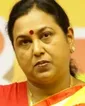
General Secretary Premallatha Vijayakant
Treasurer Premallatha Vijayakant
Student Wing DMDK
Youth Wing DMDK
Women's Wing DMDK
Labour Wing Desiya Murpokku Union Federation
Website www.dmdkparty.com

Desiya Murpokku Dravida Kazhagam (DMDK) Flag

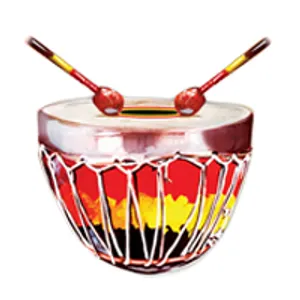
Desiya Murpokku Dravida Kazhagam election symbol is the Nagara drum. The Election Commission of India allots it during specified polls. In March 2011, a Supreme Court direction enabled common symbols. ECI then allowed DMDK to use Nagara that year under minimum-candidate conditions. Nagara appears on EVMs and ballots only.

After the 2011 Assembly results, DMDK attained state party recognition. Nagara became a reserved symbol in Tamil Nadu. In May 2016, the Election Commission withdrew recognition after a poor result. Exclusive reservation ended with the 2016 decision. The symbol returned to the free list. In 2021, ECI again granted Nagara as a one-time common symbol.

DMDK: Symbol use and flag

Within alliances and seat-sharing, DMDK candidates contested on Nagara where they fielded nominees. ECI orders also allowed Nagara to independents in constituencies without a DMDK candidate. Allies occasionally objected. These allocations followed the Symbols Order. Returning officers and observers clarified them during that election.

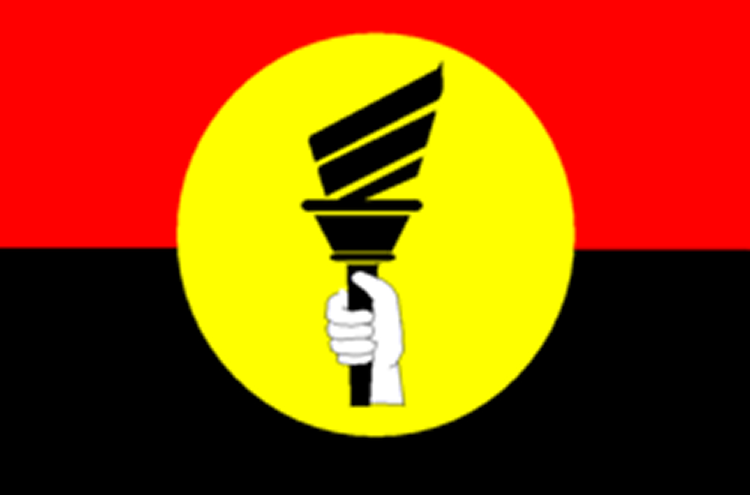
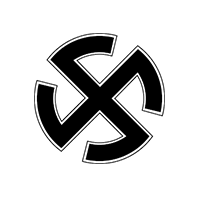
Desiya Murpokku Dravida Kazhagam flag is not recognized by the Election Commission of India. Any flag remains outside ballots and EVMs. Only the party logo and symbol matter for political identity. Public sources document variant party flags. Designs include a torch or Nagara emblem in campaign materials.

Read More

Desiya Murpokku Dravida Kazhagam (DMDK) Ideology

The ideology of Desiya Murpokku Dravida Kazhagam (DMDK) represents a blend of Dravidian principles and regional development goals. Committed to addressing socio-economic disparities, the party emphasizes empowering marginalized communities through equitable political reform and inclusive governance. DMDK’s political philosophy prioritizes the decentralization of power to ensure grassroots participation in decision-making processes, fostering sustainable and people-centric growth.

At its core, Desiya Murpokku Dravida Kazhagam ideology advocates for corruption-free governance and administrative transparency. The party agenda highlights the importance of ethical leadership and fiscal accountability, focusing on reducing systemic inefficiencies. With a vision rooted in socioeconomic welfare, DMDK principles include uplifting rural economies, modernizing agriculture, and enhancing employment opportunities for youth.

DMDK’s Approach to Governance and Welfare Policies

The governance model of DMDK prioritizes education, health care, and self-reliance policies for Tamil Nadu’s development. Advocating equitable resource distribution, the party aims to bridge rural-urban disparities through targeted welfare schemes. Further, the political philosophy emphasizes environmental sustainability, ensuring long-term benefits for future generations.

Reflecting its core ideology, Desiya Murpokku Dravida Kazhagam principles encapsulate regional pride, cultural identity, and comprehensive societal development. Standing for equality and justice, the party agenda remains focused on addressing critical challenges through progressive reforms. The DMDK continues to champion policies aligning with its stand on public welfare and inclusive governance.

Read More

Desiya Murpokku Dravida Kazhagam (DMDK) Principles

The principles of Desiya Murpokku Dravida Kazhagam (DMDK) emphasize inclusive governance and social justice. Founded in 2005, DMDK advocates for equitable economic policies prioritizing rural development and poverty alleviation. The party believes in empowering marginalized communities through education, employment opportunities, and access to basic services. Additionally, the leadership promotes democracy by encouraging transparency and public participation in decision-making processes.

DMDK principles align with Dravidian ideology, focusing on eliminating caste-based and regional disparities. The party values secularism and strives to uphold communal harmony across Tamil Nadu. Promoting women’s empowerment remains a cornerstone of DMDK’s agenda, reflecting its long-term commitment to gender equality. Furthermore, the party prioritizes environmental sustainability by encouraging conservation and responsible development in governance policies.

Desiya Murpokku Dravida Kazhagam’s Governance Model

Underpinning DMDK's governance model is the belief in decentralization and grassroots-level administration. It advocates for a locally-driven approach to governance, ensuring resource distribution reaches rural areas effectively. By incorporating technology and innovation into public systems, the party aims to modernize governance while maintaining accountability.

Desiya Murpokku Dravida Kazhagam’s ideology also supports anti-corruption measures. Its political beliefs encourage ethical leadership and accountability among public officials. The party focuses on maximizing public welfare through initiatives addressing pressing issues, like education reforms and affordable healthcare programs, aimed at uplifting underprivileged sections. These party values form the backbone of its political and governance framework.

Read More
Desiya Murpokku Dravida Kazhagam (DMDK) Organisation Structure

The Desiya Murpokku Dravida Kazhagam (DMDK) operates with a well-organized structure designed for effective governance and political engagement. The party’s organization is divided into multiple hierarchical levels to ensure clear communication and streamlined functioning. Decision-making processes are predominantly centralized but involve inputs from key party members.

The DMDK's leadership is concentrated at the top, with the President at the helm, responsible for strategic decisions and providing overall direction. Supporting the President are senior members forming the Governing Body, which oversees policy formulation and monitors the implementation of party strategies. The party structure is designed to prioritize both hierarchy and collaboration.

DMDK Leadership and Key Party Roles

The leadership of the DMDK is structured with a clear distinction in roles. The President, the central figure, works with a General Secretary, who plays a crucial role in managing day-to-day party operations. Regional Secretaries, reporting to the General Secretary, manage state-level activities and coordinate grassroots initiatives.

The organization also features additional offices such as the Treasurer, responsible for managing the party’s finances and budgeting. The Executive Committee is another significant body, comprising senior leaders who discuss and decide on policy matters and election strategies. This hierarchical structure bolsters decision-making processes within the DMDK.

Party Organization of DMDK: Regional and Local Setup

The DMDK’s political framework extends into regional and local levels for wider reach and engagement. State-level Committees are established to focus on issues pertinent to specific regions, ensuring that the party remains connected to the ground reality. These committees feed information back to the central leadership for informed policy decisions.

District Coordinators operate at a more localized level, ensuring the implementation of policy guidelines and coordinating party activities. At the grassroots, Village Committees work directly with voters, aligning local issues with the party’s overall objectives. This multi-tiered organizational framework creates a seamless connection between the central leadership and local representation.

DMDK Decision-Making Process and Ideology

Decision-making within the DMDK involves inputs from the top leadership and state-level committees. The President holds the final authority, ensuring decisions stay aligned with the party’s ideology and goals. Committees at various levels are encouraged to provide inputs on regional issues, instilling inclusivity in the decision-making process.

The DMDK’s ideology drives its political framework, with the party striving to balance Dravidian values and progressive policies. The leadership integrates regional and national agendas, enabling the party to maintain relevance across diverse electoral landscapes. This structure ensures that the party's priorities resonate with its grassroots support base.

Governing Body and Strategic Focus

The Governing Body plays a pivotal role in shaping the party's long-term strategy and vision. This body supervises electoral campaigns, policy decisions, and alliances with other political entities. Collaboration within the governing hierarchy ensures that the DMDK operates efficiently and transparently across all levels.

Electoral coordination is a critical function managed by the Governing Body, which strategizes for state and national elections. The focus remains on coalition-building, grassroots campaigning, and effective voter outreach. The hierarchy and operational structure of the DMDK reflect its commitment to political organization and disciplined growth.

PositionRole
PresidentPrimary decision-maker and strategic leader.
General SecretaryManages daily operations and reports to the President.
Regional SecretariesCoordinate state-level activities and grassroots initiatives.
TreasurerHandles finances and budget planning for the party.

Read More

Desiya Murpokku Dravida Kazhagam (DMDK) Top Leaders

Desiya Murpokku Dravida Kazhagam (DMDK) Timeline

2021

DMDK contested in the 2021 Tamil Nadu Legislative Assembly elections but did not win any seats, signaling a significant decline in its political influence.

2019

DMDK joined the AIADMK-BJP alliance for the Indian general election, but the party failed to secure a seat.

2016

DMDK joined the People\'s Welfare Front, a coalition of regional parties, to contest in the Tamil Nadu assembly elections but faced defeat.

2014

DMDK broke its alliance with AIADMK before the 2014 Indian general elections and decided to go solo, but failed to win any seats.

2011

DMDK allied with the AIADMK for the Tamil Nadu Legislative Assembly elections. It won 29 seats and became the official opposition party in the Tamil Nadu assembly.

2009

The party participated in the 2009 Indian general elections but did not manage to win any seats despite contesting in Tamil Nadu.

2006

DMDK contested in its first Tamil Nadu Legislative Assembly elections. Though the party won just 1 seat, it received around 8.38% of the votes, marking its entry into Tamil Nadu politics.

2005

Actor-turned-politician Vijayakanth officially launched the Desiya Murpokku Dravida Kazhagam, a regional political party in Tamil Nadu.

Disclaimer:The information provided on this page is sourced from various publicly available platforms including https://en.wikipedia.org/, https://sansad.in/ls, https://sansad.in/rs, https://pib.gov.in/, https://affidavit.eci.gov.in/ and the official websites of state assemblies respectively. While we make every effort to maintain the accuracy, comprehensiveness and timeliness of the information provided, we cannot guarantee the absolute accuracy or reliability of the content. The data presented here has been compiled without consideration of the objectives or opinions of individuals who may access it.

Notifications
Settings
Clear Notifications
Notifications
Use the toggle to switch on notifications
  • Block for 8 hours
  • Block for 12 hours
  • Block for 24 hours
  • Don't block
Gender
Select your Gender
  • Male
  • Female
  • Others
Age
Select your Age Range
  • Under 18
  • 18 to 25
  • 26 to 35
  • 36 to 45
  • 45 to 55
  • 55+