Get Updates
Get notified of breaking news, exclusive insights, and must-see stories!
Home | Political Parties | Marumalarchi Dravida Munnetra Kazhagam

Marumalarchi Dravida Munnetra Kazhagam

Marumalarchi Dravida Munnetra Kazhagam (MDMK) is a significant Indian regional political party rooted in Tamil Nadu. Founded in 1994 by Vaiko, it emerged as a prominent Dravidian movement with a focus on statewide reforms. The MDMK upholds key ideological pillars such as federalism, Tamil cultural preservation, and inclusive social justice.

The party actively advocates Tamil rights, regional autonomy, and empowerment of marginalized communities. It emphasizes economic development, infrastructure modernization, and agricultural reforms tailored to meet Tamil Nadu's unique challenges. Electoral alliances strategically position the MDMK as a noteworthy opposition force in Tamil Nadu’s political landscape.

Synonymous with dynamic leadership, the MDMK has prominently engaged in public protest movements to address state and national issues. By aligning with the aspirations of Tamil voters, this political entity continues to shape Tamil Nadu's sociopolitical framework. Its commitment to regional identity fosters local influence on national politics.

Read More

By Administrator

Time Square

Tuesday, October 14, 2025, 09:59:45 AM [IST]

`

Marumalarchi Dravida Munnetra Kazhagam (MDMK) Information

Party Name Marumalarchi Dravida Munnetra Kazhagam
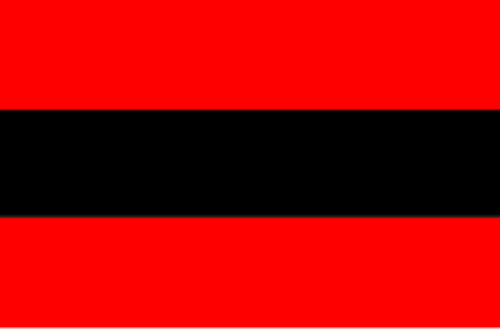
Party Flag
Marumalarchi Dravida Munnetra Kazhagam
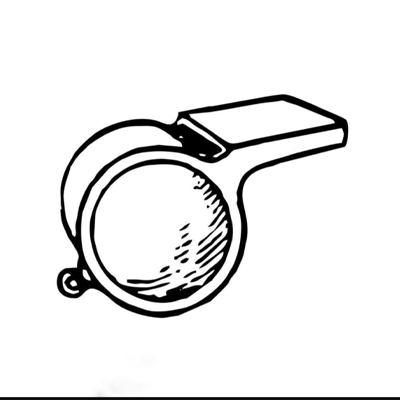
Party Symbol
Match Box
 Match Box
Founder Vaiko
Party Founded Date 06 May 1994
Split From Dravida Munnetra Kazhagam
No. of MPs Loksabha : 1
Rajyasabha : 0
Party Headquarters

Thayagam,12, Rukmini Lakshmipathi Salai, Egmore, Chennai�600008, Tamil Nadu, India.

Party President NA
General Secretary Vaiko
Parliamentary Chairperson Durai Vaiko
Loksabha Leader Durai Vaiko
Student Wing MDMK
Youth Wing MDMK
Women's Wing MDMK
Labour Wing Marumalarchi Labour Front
Political Position Centre-left
Website www.mdmk.org.in

Marumalarchi Dravida Munnetra Kazhagam (MDMK) Flag

The Election Commission of India allots symbols to parties and candidates. Marumalarchi Dravida Munnetra Kazhagam election symbol is not permanently reserved. The ECI derecognised the party in 2010. Before derecognition, MDMK used the Top symbol. Since then, the party receives free symbols per election, not a fixed allocation.

In 2021, MDMK contested six Assembly seats on DMKs Rising Sun. The arrangement followed a seatsharing pact. Four winning MLAs were counted with DMK in the Assembly records. Such alliance use of the symbol ensured uniform recognition during campaigning and on electronic voting machines. Seatsharing helped small allies avoid multiple symbols during balloting.

MDMK: Symbol variations and flag status

For the 2024 Lok Sabha polls, the ECI declined MDMKs plea to restore Top. The party contested only one seat. The Madras High Court recorded this position. Consequently, in Tiruchirappalli, the candidate received the Matchbox symbol. It was allotted as a free symbol.

Marumalarchi Dravida Munnetra Kazhagam flag is a redblackred triband used organizationally. The Election Commission of India does not register flags for ballots; only symbols appear. References to a party logo or MDMK logo are informal. Voters should rely on the allotted symbol and alliances to identify the partys political identity.

Read More

Marumalarchi Dravida Munnetra Kazhagam (MDMK) Ideology

The ideology of the Marumalarchi Dravida Munnetra Kazhagam (MDMK) reflects a strong commitment to Dravidian principles. The party emphasizes social justice, equality, and regional autonomy, rooted in Tamil identity and culture. MDMK ideology aligns with the larger Dravidian movement, advocating linguistic pride and opposing centralization of authority to protect regional interests.

The Marumalarchi Dravida Munnetra Kazhagam principles focus on welfare-oriented governance. Promoting equitable resource distribution and supporting marginalized communities forms the core of the party agenda. Its policies often highlight education reforms, women’s empowerment, and a focus on socio-economic upliftment of underprivileged groups, within the framework of its Dravidian political philosophy.

MDMK's Governance Model and Political Philosophy

MDMK's governance model revolves around decentralization, ensuring regional autonomy and addressing state-specific development concerns. The party opposes excessive central government intervention, striving to preserve federalism in India. This reflects their political philosophy emphasizing Tamil Nadu’s self-determination within the constitutional framework.

The party agenda also prioritizes combating caste discrimination, promoting secularism, and fostering Tamil cultural pride. Balancing development goals with cultural preservation forms an integral part of Marumalarchi Dravida Munnetra Kazhagam ideology. MDMK continues to advocate policies supporting industry while protecting agrarian communities, showcasing their commitment to inclusive growth.

Read More

Marumalarchi Dravida Munnetra Kazhagam (MDMK) Principles

Marumalarchi Dravida Munnetra Kazhagam (MDMK) principles emphasize social justice and equitable opportunity for Tamil Nadu's citizens. Focused on improving marginalized communities' lives, the party prioritizes education, healthcare, and economic empowerment. Their governance model advocates federalism, urging decentralized power to protect regional identity and self-governance. These principles reflect the political beliefs of achieving harmony through inclusive development.

The MDMK ideology includes upholding Tamil culture, language, and heritage while embracing progressive values. Committed to secularism, the party advocates policies ensuring communal harmony and upholds constitutional values. The MDMK's party values strongly oppose authoritarian tendencies, focusing on democratic decision-making processes. Their ideological stance emphasizes transparency and people-centered governance, promoting trust in public administration.

MDMK’s Approach to Social Justice and Development

MDMK principles prioritize uplifting economically weaker sections and improving access to basic amenities. The party's governance model aims to reduce income disparities through targeted social welfare policies. Recognizing the need for sustainable growth, the party supports environmental conservation alongside industrial advancement. Their political beliefs focus on creating balanced rural-urban development to foster equitable progress.

As part of their party values, the MDMK emphasizes empowering youth and women through political participation. They believe gender equality is fundamental to societal growth. The MDMK ideology advocates safeguarding workers' rights and developing policies catering to unorganized sectors. By addressing issues holistically, the party strives to strengthen Tamil Nadu's overall socio-economic fabric.

Read More
Marumalarchi Dravida Munnetra Kazhagam (MDMK) Organisation Structure

The Marumalarchi Dravida Munnetra Kazhagam (MDMK) operates through a strong organizational structure with a defined hierarchy. The party’s governing framework ensures streamlined decision-making and collective leadership. This structure underpins its efforts to organize political campaigns, manage public outreach, and address constituency concerns effectively. Known for its strategic approach, the MDMK has developed a robust framework to maintain internal cohesion and facilitate party growth across Tamil Nadu.

At the top of the MDMK hierarchy is its General Secretary, the central authority responsible for the overall direction of the party. The General Secretary plays a crucial role in policy formulation, setting the political agenda, and overseeing administrative functions. Reporting directly to this position is the Deputy General Secretary, who assists in managing day-to-day operations while addressing critical organizational and electoral matters. This leadership ensures continuity and consistency in party activities.

Key Roles in MDMK Structure and Leadership Framework

The party structure of the MDMK is also supported by a Working Committee, a critical decision-making body. The Working Committee comprises senior party members who deliberate on major policies and electoral strategies. This body acts as the backbone of the decision-making process, providing checks and balances for leadership decisions. It also plays a pivotal role in financial planning and campaign coordination during elections.

Beneath the Working Committee, the MDMK operates through Regional Committees. Regional leaders appointed to these committees act as intermediaries between the central leadership and grassroots workers. These committees are tasked with local-level execution of policies, public mobilization, and constituency-specific issue management. The regional structure enables the party to maintain effective governance across diverse geographic regions in Tamil Nadu.

Grassroots Structure and Decision-Making Hierarchy in MDMK

To strengthen its political framework, the MDMK places significant emphasis on its grassroots units. Local party branches form the foundation of its organizational structure. Unit secretaries at the district, town, and village levels ensure that decisions from the central and regional levels are implemented effectively. These branches mobilize volunteers, organize rallies, and distribute campaign materials within their respective constituencies.

An integral part of the MDMK organization is its Youth Wing, which focuses on engaging younger demographics. The Youth Wing works autonomously under the supervision of senior leaders but aligns closely with the party's broader agenda. It contributes to voter awareness, political education, and participation in social initiatives. Similarly, the Women’s Wing addresses gender-specific concerns and encourages the active participation of women in politics.

MDMK Governing Body and Electoral Strategy Implementation

The governing body of the MDMK includes committees dedicated to specific domains, such as propaganda, finance, and legal affairs. For instance, the Propaganda Committee manages public relations, media campaigns, and digital outreach, ensuring the party’s messages resonate with the electorate. Specialized committees foster expertise and efficiency within the party framework, enabling better coordination and implementation of electoral strategies.

The MDMK’s decision-making process relies on periodic internal meetings at various levels. These sessions focus on evaluating past performances and planning future activities. The resolutions passed during these meetings are relayed through the chain of command, ensuring clarity and uniform direction across party units. Communication channels within the hierarchy are robust, streamlining the flow of information and directives.

Conclusion on MDMK Party Organization

The Marumalarchi Dravida Munnetra Kazhagam (MDMK) demonstrates a well-structured political framework with a clear hierarchy. Its leadership strategy ensures seamless coordination between central, regional, and grassroots levels. By balancing centralized planning with decentralized execution, MDMK remains an influential force in Tamil Nadu’s politics.

Read More

Marumalarchi Dravida Munnetra Kazhagam (MDMK) Timeline

2021

MDMK continued to play a minor role in Tamil Nadu politics, with Vaiko focusing on regional issues and providing support to broader coalitions.

2019

MDMK chose not to directly contest the 2019 Indian general elections but supported various political movements in Tamil Nadu.

2017

The Marumalarchi Dravida Munnetra Kazhagam (MDMK) political party was founded by Vaiko after he left the Dravida Munnetra Kazhagam (DMK). The formation marked a new beginning in Tamil Nadu politics.

2016

MDMK campaigned for regional interests in Tamil Nadu during the legislative assembly elections, though it remained a minor political player.

2014

MDMK actively participated in campaigns and protests, especially focusing on Tamil Nadu\'s Cauvery water disputes and Sri Lankan Tamil issues.

2011

MDMK allied with AIADMK for the Tamil Nadu assembly elections, contributing to the landslide victory of the AIADMK-led alliance.

2009

MDMK re-joined the NDA and contested the Lok Sabha elections but failed to secure any parliamentary seats.

2007

Internal divisions within the MDMK led to a faction breaking away under L. Ganeshan. This highlighted challenges in maintaining cohesion within the party.

2006

MDMK partnered with the AIADMK for the Tamil Nadu Assembly elections but faced a significant setback, failing to win substantial seats.

2004

MDMK left the NDA and switched alliance to the Indian National Congress-led United Progressive Alliance (UPA).

1999

MDMK retained its alliance with the BJP-NDA and won four seats in the 1999 Indian general elections, solidifying its presence in Tamil Nadu politics.

1998

MDMK joined the BJP-led National Democratic Alliance (NDA) and contested the Lok Sabha elections, securing four parliamentary seats.

1996

MDMK participated in the Tamil Nadu Legislative Assembly election and allied with the DMK-TMC coalition, contributing to the coalition\'s victory in the state.

Disclaimer:The information provided on this page is sourced from various publicly available platforms including https://en.wikipedia.org/, https://sansad.in/ls, https://sansad.in/rs, https://pib.gov.in/, https://affidavit.eci.gov.in/ and the official websites of state assemblies respectively. While we make every effort to maintain the accuracy, comprehensiveness and timeliness of the information provided, we cannot guarantee the absolute accuracy or reliability of the content. The data presented here has been compiled without consideration of the objectives or opinions of individuals who may access it.

Notifications
Settings
Clear Notifications
Notifications
Use the toggle to switch on notifications
  • Block for 8 hours
  • Block for 12 hours
  • Block for 24 hours
  • Don't block
Gender
Select your Gender
  • Male
  • Female
  • Others
Age
Select your Age Range
  • Under 18
  • 18 to 25
  • 26 to 35
  • 36 to 45
  • 45 to 55
  • 55+