




Get Updates
Get notified of breaking news, exclusive insights, and must-see stories!
Home | Political Parties | Naam Tamilar Katchi

Naam Tamilar Katchi

Naam Tamilar Katchi, a prominent political party in Tamil Nadu, India, champions Tamil nationalism and cultural identity. Founded by S. P. Adithanar in 1958, the party has gained significant traction among Tamil-speaking populations. With a focus on social justice, Naam Tamilar Katchi advocates for the rights of Tamils and emphasizes the importance of preserving Tamil culture and language. The party's agenda includes promoting economic development, environmental conservation, and educational reforms. Under the leadership of Seeman, Naam Tamilar Katchi has expanded its influence, participating actively in state elections. The party's commitment to transparency and grassroots mobilization has resonated with many voters. As a key player in Tamil Nadu's political landscape, Naam Tamilar Katchi continues to shape regional discourse. Its policies reflect a blend of traditional values and modern aspirations, appealing to a diverse demographic. The party's growing popularity underscores its role in advocating for Tamil rights and regional autonomy.

Read More

By Administrator

Time Square

Monday, October 13, 2025, 04:35:04 PM [IST]

`

Naam Tamilar Katchi (NTK) Information

Party Name Naam Tamilar Katchi
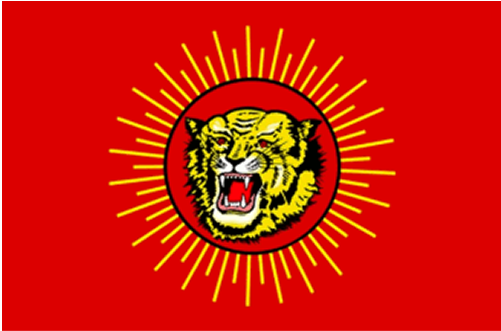
Party Flag
Naam Tamilar Katchi
Party Symbol
Farmer with an Air Plough
 Farmer with an Air Plough
Founder S. P. Adithanar
Party Founded On 1958
No. of MPs Loksabha : 0
Rajyasabha : 0
Party Headquarters

Ravanan Kudil, 8, Maruthuvamanai Salai, Senthil Nagar, Porur, Chennai - 600116, Tamil Nadu, India.

Party President Seeman
Presidium Seeman
Youth Wing Muthukumar Youth Wing
Women's Wing Senkodi Women's Wing
Political Position Centre
Website www.naamtamilar.org

Naam Tamilar Katchi (NTK) Flag

Naam Tamilar Katchi election symbol is Farmer Carrying Plough. It is reserved in Tamil Nadu. The Election Commission of India finalized this on May 10, 2025. This followed State Party recognition after the 2024 Lok Sabha. NTK contests under this reserved mark. The reservation applies to state elections.

Before recognition, the party used common symbols. In earlier polls it campaigned with the Ganna Kisan symbol. It shifted to the mike symbol for 2024. This followed firstcomefirstserved symbol allocation. Courts upheld the ECI policy after NTKs challenge. These changes shaped its electoral political identity. Allocation timing affected NTKs plans.

NTK: Symbol History and Flag Status

Naam Tamilar Katchi flag is widely displayed at events. The design shows a tiger emblem with radiating rays. It appears on the party logo and materials. Public reports cite its introduction during 2010 launches. Descriptions distinguish it from other parties symbols. It is separate from any ballot symbol.

As a reserved symbol holder, NTKs candidates get one emblem statewide. This applies across elections under Commission procedures. No alliance-based symbol substitutions are announced since recognition. Voters can identify NTK ballots by this emblem. Usage follows Election Commission of India rules. Seat-sharing changes remain unreported.

Read More

Naam Tamilar Katchi (NTK) Ideology

Naam Tamilar Katchi ideology emphasizes Tamil nationalism and cultural preservation. The party advocates for the rights and welfare of Tamils globally. Naam Tamilar Katchi principles focus on promoting Tamil language, culture, and heritage. The party agenda includes policies aimed at economic development and social justice for Tamils. Their governance model prioritizes decentralization and grassroots participation in decision-making processes.

Naam Tamilar Katchi ideology is rooted in the historical context of Tamil identity and self-determination. The party's political philosophy is influenced by the legacy of Tamil leaders and thinkers. Naam Tamilar Katchi principles emphasize environmental conservation and sustainable development. The party agenda includes initiatives to protect natural resources and promote renewable energy. Their governance model advocates for transparency and accountability in public administration.

NTK's Focus on Social Justice and Equality

Naam Tamilar Katchi ideology supports social justice and equality for marginalized communities. The party's political philosophy includes affirmative action policies to uplift disadvantaged groups. Naam Tamilar Katchi principles advocate for gender equality and women's empowerment. The party agenda includes measures to ensure equal opportunities in education and employment. Their governance model promotes inclusive growth and equitable distribution of resources.

Naam Tamilar Katchi ideology opposes caste-based discrimination and communalism. The party's political philosophy emphasizes unity and harmony among diverse communities. Naam Tamilar Katchi principles support secularism and religious tolerance. The party agenda includes efforts to foster interfaith dialogue and understanding. Their governance model aims to create a peaceful and cohesive society.

Read More

Naam Tamilar Katchi (NTK) Principles

Naam Tamilar Katchi principles emphasize Tamil identity and cultural preservation. The party's ideology centers on promoting Tamil language and heritage. Party values include social justice, equality, and environmental sustainability. Their governance model advocates for decentralized administration, empowering local bodies. Political beliefs focus on self-reliance and economic independence for Tamil Nadu.

Naam Tamilar Katchi ideology supports the upliftment of marginalized communities. The party values emphasize education and healthcare accessibility for all. Their governance model includes transparent and accountable administration. Political beliefs prioritize the protection of natural resources and biodiversity. Naam Tamilar Katchi principles also stress the importance of secularism and communal harmony.

NTK: Governance and Political Beliefs

NTK's governance model promotes participatory democracy, encouraging citizen involvement in decision-making. The party values emphasize the eradication of corruption and nepotism. Naam Tamilar Katchi principles advocate for sustainable development and renewable energy adoption. Their political beliefs include opposing foreign intervention in domestic affairs. NTK ideology supports the rights of Tamil diaspora worldwide.

Naam Tamilar Katchi principles focus on economic policies that benefit local industries. The party values include promoting traditional arts and crafts. Their governance model aims to improve infrastructure and public services. Political beliefs emphasize the importance of linguistic rights and cultural autonomy. NTK ideology supports equitable resource distribution and social welfare programs.

Read More
Naam Tamilar Katchi (NTK) Organisation Structure

The Naam Tamilar Katchi structure is designed to ensure efficient decision-making and governance. The party organization is hierarchical, with a clear chain of command. At the top is the party leadership, which includes the Chief Coordinator and other senior leaders. This governing body is responsible for setting the political framework and strategic direction of the party.

Below the top leadership, the party hierarchy includes various committees and departments. These are tasked with specific functions such as policy development, outreach, and electoral strategy. The decision-making process within Naam Tamilar Katchi is collaborative, with input from different levels of the organization. This ensures that the party's actions align with its core principles and objectives.

Leadership and Governing Body of NTK

The Naam Tamilar Katchi leadership is composed of experienced political figures. The Chief Coordinator plays a pivotal role in guiding the party's vision. Other key members of the governing body include the General Secretary and the Treasurer. These leaders are responsible for overseeing the party's operations and ensuring adherence to its political framework.

The party organization also includes a Central Committee. This body is crucial for policy formulation and decision-making. It consists of representatives from various regions, ensuring diverse perspectives are considered. The Central Committee meets regularly to discuss and decide on important issues affecting the party and its members.

Party Hierarchy and Decision-Making Process in NTK

The party hierarchy of Naam Tamilar Katchi is structured to facilitate effective communication and implementation of decisions. Regional coordinators play a significant role in this structure. They act as a bridge between the central leadership and local party units. This ensures that the party's policies are effectively communicated and implemented at the grassroots level.

The decision-making process in Naam Tamilar Katchi is inclusive and democratic. Proposals are often discussed at various levels before a final decision is made. This approach allows for a comprehensive evaluation of different viewpoints and ensures that the party's actions are well-informed and representative of its members' interests.

Organizational Roles and Responsibilities in NTK

The organizational roles within Naam Tamilar Katchi are clearly defined. Each member has specific responsibilities that contribute to the party's overall functioning. The party structure includes various departments, such as the Youth Wing and Women's Wing. These departments focus on engaging specific demographics and addressing their unique concerns.

In addition to these departments, the party also has a dedicated media team. This team is responsible for managing the party's public relations and communication strategies. They ensure that the party's message is effectively conveyed to the public and the media.

Political Framework and Strategic Direction of NTK

The political framework of Naam Tamilar Katchi is centered around Tamil nationalism and social justice. The party's strategic direction is guided by these core principles. The leadership regularly reviews and updates the party's policies to reflect changing political dynamics and societal needs.

The party's strategic direction is also influenced by feedback from its members and supporters. Regular consultations and meetings are held to gather input and assess the effectiveness of current strategies. This ensures that the party remains responsive to the needs of its constituents and adapts to new challenges.

Overall, the organization and structure of Naam Tamilar Katchi are designed to promote efficient governance and effective decision-making. The party's hierarchical structure, combined with its inclusive decision-making process, ensures that it remains a dynamic and responsive political entity.

Read More

Naam Tamilar Katchi (NTK) Timeline

2021

Naam Tamilar Katchi again contested in all 234 constituencies in the 2021 Tamil Nadu Legislative Assembly election, continuing its focus on Tamil rights.

2019

Naam Tamilar Katchi contested in the 2019 Indian General Election, fielding candidates in Tamil Nadu and Puducherry, emphasizing regional issues.

2016

Naam Tamilar Katchi contested in all 234 constituencies in the Tamil Nadu Legislative Assembly election, promoting Tamil nationalism and self-respect.

2011

Naam Tamilar Katchi participated in the Tamil Nadu Legislative Assembly elections for the first time, marking its entry into electoral politics.

2009

Naam Tamilar Katchi was re-established as a political party by Seeman, focusing on Tamil nationalism and rights, following the end of the Sri Lankan Civil War.

1958

Naam Tamilar Iyakkam was founded by S. P. Adithanar, a prominent Tamil nationalist, as a cultural organization to promote Tamil identity and rights.

Disclaimer:The information provided on this page is sourced from various publicly available platforms including https://en.wikipedia.org/, https://sansad.in/ls, https://sansad.in/rs, https://pib.gov.in/, https://affidavit.eci.gov.in/ and the official websites of state assemblies respectively. While we make every effort to maintain the accuracy, comprehensiveness and timeliness of the information provided, we cannot guarantee the absolute accuracy or reliability of the content. The data presented here has been compiled without consideration of the objectives or opinions of individuals who may access it.

Notifications
Settings
Clear Notifications
Notifications
Use the toggle to switch on notifications
  • Block for 8 hours
  • Block for 12 hours
  • Block for 24 hours
  • Don't block
Gender
Select your Gender
  • Male
  • Female
  • Others
Age
Select your Age Range
  • Under 18
  • 18 to 25
  • 26 to 35
  • 36 to 45
  • 45 to 55
  • 55+