


Get Updates
Get notified of breaking news, exclusive insights, and must-see stories!
Home | Political Parties | Jharkhand Mukti Morcha

Jharkhand Mukti Morcha

Jharkhand Mukti Morcha (JMM) is a prominent political party in India, primarily established to champion the rights of tribal communities and marginalized groups. Founded in 1972 under the leadership of Shibu Soren, the party played a pivotal role in the creation of Jharkhand as a separate state in 2000. Its core ideology focuses on social justice, tribal development, and the preservation of natural resources in the region.

Known for its grassroots connections, JMM emphasizes the upliftment of tribal voices and equitable development. It is a dominant political force in Jharkhand, often engaging in progressive governance and regional advocacy. The party actively addresses issues like environmental conservation, land rights, and rural development, aligning with the aspirations of backward communities.

As a critical player in Jharkhand’s legislative and political framework, Jharkhand Mukti Morcha remains committed to its vision of inclusive growth and sustainable policymaking.

Read More

By Administrator

Time Square

Monday, October 13, 2025, 01:50:04 PM [IST]

`

Jharkhand Mukti Morcha (JMM) Information

Party Name Jharkhand Mukti Morcha
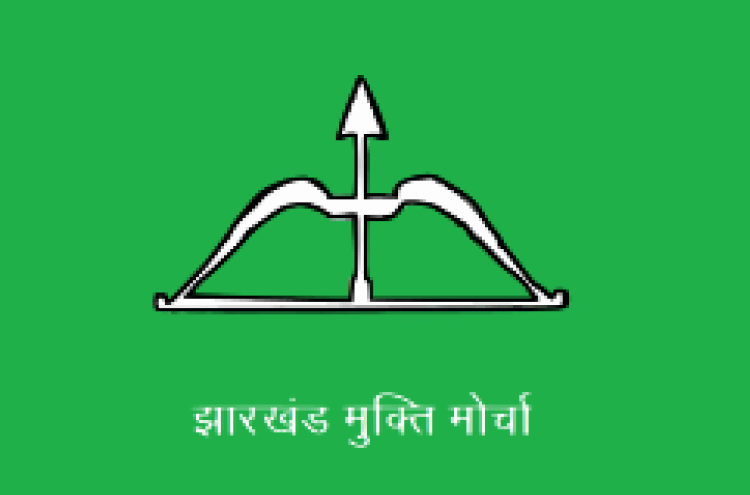
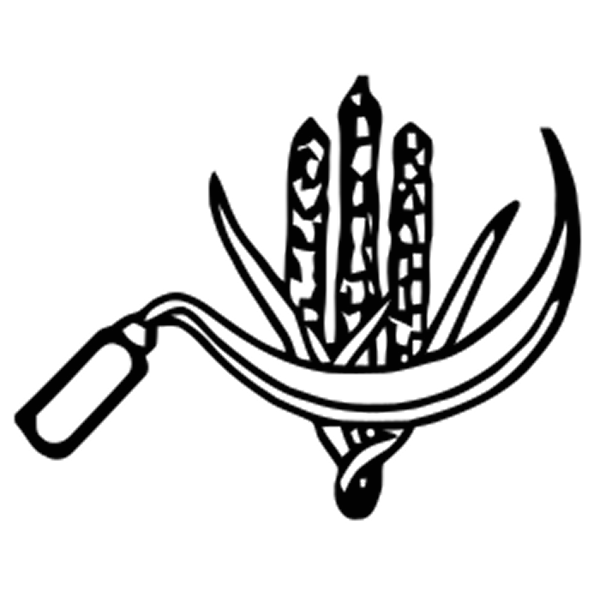
Party Flag
Jharkhand Mukti Morcha
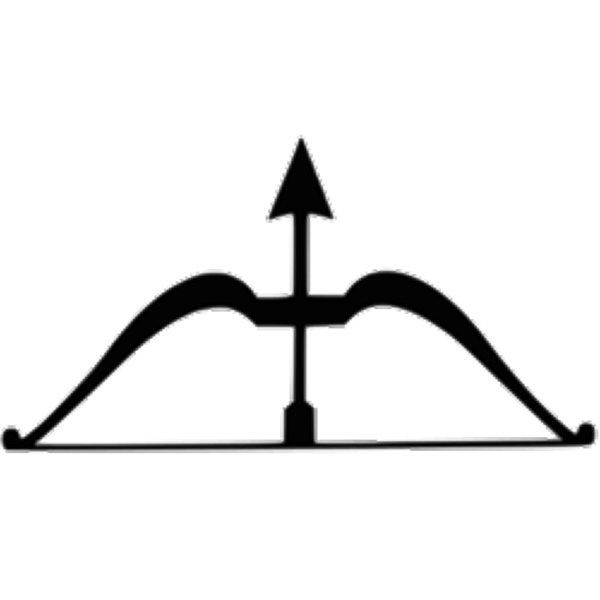
Party Symbol
Bow & Arrow
 Bow & Arrow
Founder Binod Bihari Mahato, Shibu Soren, A. K. Roy
Party Founded Date 02 Feb 1972
No. of MPs Loksabha : 3
Rajyasabha : 2
Party Headquarters Bariatu Road, Ranchi, Jharkhand�834008
Party President Shibu Soren
Loksabha Leader Vijay Kumar Hansda
Rajya Sabha Leader Vacant
Student Wing Jharkhand Chhatra Morcha
Youth Wing Jharkhand Yuva Morcha
Women's Wing Jharkhand Mahila Morcha
Political Position Left-wing

Jharkhand Mukti Morcha (JMM) Flag

The Election Commission of India reserves Jharkhand Mukti Morcha election symbol Bow and Arrow in Jharkhand. JMM has used this symbol since 1985, per orders on record. The Commission barred JD(U) from using its Arrow in Jharkhand and Maharashtra because of similarity. That direction followed Paragraph 10 of the Symbols Order, 1968. Recognition is state-specific; the reserved symbol applies in Jharkhand. JMM is a recognised State Party in Jharkhand under ECI classifications.

Outside Jharkhand, candidates may receive free symbols when concessions are not granted. In West Bengal 2021, ECI denied bow and arrow to JMM and Shiv Sena. Both then used free symbols. In Bihar 2019, reciprocity applied against JMM on JD(U)s request. Alliances and seat-sharing do not alter symbol ownership; JMM contests agreed seats on its own symbol. In Jharkhand, seat-sharing within the alliance leaves JMM candidates on the reserved symbol.

JMM: Symbol Rules and Flag Use

Regarding the Jharkhand Mukti Morcha flag, the Commission does not notify flags. Therefore, no ECIrecognised flag exists; campaign flags are organisational devices only. The Party Logo mirrors the symbol in publicity. Party Abbreviation JMM appears widely to reinforce political identity. Always verify symbol status through official ECI notifications and the Symbols Order.

Read More

Jharkhand Mukti Morcha (JMM) Ideology

The ideology of Jharkhand Mukti Morcha (JMM) is deeply rooted in protecting tribal rights and identity. The party prioritizes socio-economic development for indigenous communities, emphasizing egalitarianism and inclusive governance. Jharkhand Mukti Morcha principles focus on promoting self-rule, ensuring sustainable development, and safeguarding natural resources for marginalized populations. Central to their political philosophy is advocating for policies that preserve traditional cultural values and safeguard land rights for tribal residents.

Jharkhand Mukti Morcha's governance model aligns with its emphasis on grassroots empowerment and sustainable resource management. The party agenda includes addressing issues such as poverty, unemployment, and environmental protection, while fostering tribal self-determination. As part of its socio-political ideology, the JMM highlights education and healthcare initiatives, aiming to uplift rural and disadvantaged communities. Through these efforts, the party strives to achieve equitable development across Jharkhand's regions.

Jharkhand Mukti Morcha (JMM): Tribal Self-Rule and Land Rights

JMM consistently emphasizes its commitment to protecting the autonomy of tribal populations in Jharkhand. Jharkhand Mukti Morcha ideology promotes legislation that safeguards tribal land ownership, adhering to constitutional provisions like the Fifth Schedule. Additionally, its governance model prioritizes implementing the Panchayats (Extension to Scheduled Areas) Act to empower local self-governance. These commitments define its political philosophy and long-term objectives for the welfare of tribal communities.

Read More

Jharkhand Mukti Morcha (JMM) Principles

The Jharkhand Mukti Morcha (JMM) principles emphasize social justice, tribal welfare, and indigenous rights. The political party's ideology focuses on empowering marginalized communities, promoting equitable resource distribution, and safeguarding traditional cultures. JMM prioritizes economic development while ensuring environmental preservation, aligning its governance model with sustainable growth.

JMM's party values highlight inclusivity, advocating for education, healthcare, and employment opportunities in tribal and backward regions. The party believes in reducing regional disparities by strengthening grassroots development. The political beliefs of Jharkhand Mukti Morcha include fostering state autonomy, protecting local languages, and ensuring participatory democracy through collective decision-making processes.

Social Equity and Sustainable Growth: Core to JMM’s Governance Model

The Jharkhand Mukti Morcha ideology underscores social equity by addressing tribal land issues and resisting exploitation. Its governance model supports pro-people policies, ensuring indigenous communities have equitable access to natural resources. JMM principles also align with democratic decentralization for empowering local governing bodies.

The party values transparency, accountability, and strong opposition to corruption. JMM aims to promote industrialization without displacing indigenous populations, striking a balance between progress and preservation. Upholding constitutional rights for tribal areas remains central to its governance approach.

By prioritizing environmental conservation and socio-economic growth, JMM seeks to bridge developmental gaps. The political beliefs of Jharkhand Mukti Morcha resonate with protecting vulnerable groups and fostering a sustainable, inclusive future.

Read More
Jharkhand Mukti Morcha (JMM) Organisation Structure

The Jharkhand Mukti Morcha (JMM) is a prominent regional political party with a well-defined organizational structure. Its framework ensures effective governance and representation, particularly targeting tribal and marginalized communities in Jharkhand. The party follows a hierarchical model that emphasizes collective decision-making and regional inclusivity. This structure has been instrumental in establishing its stronghold over tribal constituencies and delivering its political objectives effectively.

The party's leadership is centered around its core governing body, which includes senior leaders and influential members. The decision-making process is led by the party president, who functions as the apex authority in the Jharkhand Mukti Morcha structure. Other key positions include the working president, general secretary, and treasurer, which form the central executive committee responsible for internal administration and policy formulation.

Key Components of JMM Leadership and Political Framework

The central leadership of the Jharkhand Mukti Morcha is complemented by state-level committees. These committees oversee grassroots planning, mobilization, and execution of party policies. The JMM’s political framework includes district-level leadership that ensures smooth coordination between the central body and local units. This multi-layered hierarchy fosters accountability and policy adaptability across different regions in Jharkhand.

At the top of the hierarchy lies the general council, which comprises senior leaders and notable political influencers. This governing body has the authority to outline the broader vision of the Jharkhand Mukti Morcha and provide strategic direction. The working committee, a smaller subset of the general council, executes day-to-day activities and manages electoral strategies.

Jharkhand Mukti Morcha Hierarchy: Roles and Responsibilities

Leadership PositionRole
PresidentLeads the party and oversees major policy decisions and electoral strategies.
Working PresidentAssists the president and manages operational duties across organizational units.
General SecretaryHandles internal administration, communication, and reports to the central leadership.
TreasurerSupervises financial planning and ensures transparency in party expenditures.
State CommitteesImplements policies at the state level and coordinates with district leaders.

Grassroots organization plays a critical role in the JMM’s structure. The district and block-level units handle voter outreach, local grievances, and election campaigning. These units maintain regular communication with district leaders, ensuring the alignment of local issues with the JMM political framework. This decentralized system allows the party to address regional concerns effectively and implement state and central policies efficiently.

The decision-making process within the Jharkhand Mukti Morcha is collaborative and rooted in grassroots feedback. Regular meetings, consultations, and general council sessions ensure transparency and inclusivity in forming strategies. The party hierarchy encourages contributions from all levels, ensuring that diverse viewpoints are represented in decision-making processes.

Administrative Model of Jharkhand Mukti Morcha Structure

The administrative operations of the JMM are grounded in their commitment to social justice and tribal rights. The governing body ensures that party policies reflect the aspirations of marginalized communities. Beyond policy decisions, the organization focuses on internal discipline, outreach programs, and leadership development to strengthen its political framework further.

The JMM leadership also emphasizes youth participation and women's empowerment within its structure. Special wings within the party, such as the youth and women’s forums, operate at state and district levels. These forums promote engagement and prepare future leaders while aligning with the party’s guiding principles.

In conclusion, the Jharkhand Mukti Morcha organizational structure stands as a model of regional inclusiveness. Through its strong leadership, clearly defined roles, and grassroots connectivity, it continues to address challenges effectively, making it a significant force in regional Indian politics.

Read More

Jharkhand Mukti Morcha (JMM) Timeline

2023

JMM continues to advocate for tribal rights, sustainable development, and regional equality under Hemant Soren\'s leadership.
2019

Hemant Soren, the son of Shibu Soren, was sworn in as the Chief Minister of Jharkhand, marking a generational leadership change in JMM.

2009

Shibu Soren became the Chief Minister of Jharkhand for the third time, showing the party\'s continued dominance in state politics.

2005

JMM came to power in Jharkhand with Shibu Soren as the Chief Minister but faced political instability leading to a change in leadership.

2000

Jharkhand was carved out of Bihar, becoming India\'s 28th state, an achievement that JMM played a crucial role in realizing.

1992

JMM was involved in a bribery scandal when its members of Parliament allegedly accepted bribes to vote in favor of the Narasimha Rao government.

1980

Shibu Soren, the founder of JMM, was elected as a Member of Parliament during this period, giving the party a significant representation in Indian politics.

1972

Jharkhand Mukti Morcha was established by Shibu Soren with the aim of fighting for the rights of tribal people and the creation of a separate state of Jharkhand.

Disclaimer:The information provided on this page is sourced from various publicly available platforms including https://en.wikipedia.org/, https://sansad.in/ls, https://sansad.in/rs, https://pib.gov.in/, https://affidavit.eci.gov.in/ and the official websites of state assemblies respectively. While we make every effort to maintain the accuracy, comprehensiveness and timeliness of the information provided, we cannot guarantee the absolute accuracy or reliability of the content. The data presented here has been compiled without consideration of the objectives or opinions of individuals who may access it.

Notifications
Settings
Clear Notifications
Notifications
Use the toggle to switch on notifications
  • Block for 8 hours
  • Block for 12 hours
  • Block for 24 hours
  • Don't block
Gender
Select your Gender
  • Male
  • Female
  • Others
Age
Select your Age Range
  • Under 18
  • 18 to 25
  • 26 to 35
  • 36 to 45
  • 45 to 55
  • 55+