

Get Updates
Get notified of breaking news, exclusive insights, and must-see stories!
Home | Political Parties | Lok Jan Shakti Party

Lok Jan Shakti Party

The Lok Jan Shakti Party (LJSP) is a prominent political party in India, renowned for its focus on social justice and empowerment. Established in 2000 by Ram Vilas Paswan, the party primarily advocates for the rights of marginalized communities. As a key player in Indian politics, the LJSP aligns with several national coalitions to influence policies favoring social welfare and economic development.

Headquartered in Patna, Bihar, the Lok Jan Shakti Party has consistently emphasized inclusive growth. It aims to uplift underrepresented sections through robust policy-making and grassroots initiatives. The LJSP's political strategy often involves coalition-building, allowing it to play a crucial role in regional and national elections.

The party's core agenda includes enhancing education, healthcare access, and employment opportunities for all citizens. By prioritizing these areas, the Lok Jan Shakti Party strives to bridge socio-economic disparities and promote equality. Its commitment to these principles has garnered significant support from diverse voter bases across India.

Read More

By Administrator

Time Square

Monday, March 9, 2026, 12:40:06 PM [IST]

`

Lok Jan Shakti Party (LJP) Information

Party Name Lok Jan Shakti Party
Party Flag
Lok Jan Shakti Party
Party Symbol
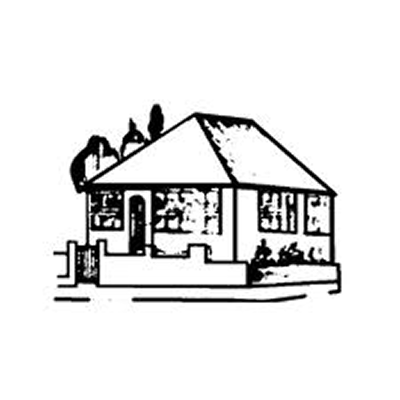
Bungalow
 Bungalow
Party Founded Date 28 Nov 2000
Split From Janata Dal
Party Headquarters 12, Janpath, New Delhi, India 110011
Political Position Centre

Lok Jan Shakti Party (LJP) Flag

The Election Commission of India reserved the Bungalow symbol for Lok Janshakti Party until 2021. Amid a split, the Commission froze both the party name and Bungalow on October 2, 2021. Voters searching for the Lok Jan Shakti Party election symbol should note this freeze. Under the 1968 Symbols Order, the Commission allots symbols, not a Lok Jan Shakti Party flag. This remains applicable in all elections until further directions from the Commission.

On October 5, 2021, the Chirag Paswan faction was named Lok Janshakti Party (Ram Vilas). Its allotted election symbol was the Helicopter. The Pashupati Kumar Paras group became Rashtriya Lok Janshakti Party with the Sewing Machine symbol. These interim allocations applied to the Bihar bypolls and continue until the dispute is decided. Mentions of the LJP logo should align with whichever symbol the Commission currently allots.

LJP: Symbol changes and flag status

During the 2021 Bihar bypolls, RLJP did not field candidates; the seats were NDA-held. Seatsharing can affect whether a party contests, but candidates file under their assigned symbol. These symbol decisions define each factions political identity. When referring to the party abbreviation, use LJP precisely, and avoid confusing alliances with organisational names. Follow official ECI notices always.

Read More

Lok Jan Shakti Party (LJP) Ideology

The Lok Jan Shakti Party ideology emphasizes social justice and equality, advocating for marginalized communities. Their political philosophy focuses on empowering Dalits, backward classes, and minorities through affirmative action. The party agenda includes enhancing educational opportunities and healthcare access for underprivileged groups.

Rooted in secularism, the Lok Jan Shakti Party principles support religious harmony and national unity. Their governance model aims to strengthen democratic institutions while promoting transparency and accountability. Economic policies prioritize poverty alleviation and rural development through sustainable practices.

LJP Ideology: Social Equity Focus

Central to the Lok Jan Shakti Party ideology is the upliftment of economically weaker sections. They champion policies that foster inclusive growth by addressing socio-economic disparities. The political philosophy of LJP underscores the importance of grassroots participation in decision-making processes.

The Lok Jan Shakti Party principles advocate for women's empowerment and gender equality as vital components of societal progress. Their governance model incorporates measures to increase female representation in politics and public offices. Educational reforms aim to reduce dropout rates among girls.

LJP Agenda: Developmental Goals

The Lok Jan Shakti Party agenda prioritizes infrastructural development in rural areas, focusing on roads, electricity, and water supply. Their governance model encourages public-private partnerships to boost economic activities and employment opportunities. Environmental sustainability forms an integral part of their developmental strategy.

Committed to anti-corruption measures, the Lok Jan Shakti Party ideology supports stringent laws against graft. Transparency initiatives are embedded within their governance model to ensure accountability. They strive for a corruption-free administration at all levels.

Read More

Lok Jan Shakti Party (LJP) Principles

The Lok Jan Shakti Party principles emphasize inclusivity and social justice. Their ideology focuses on uplifting marginalized communities through equitable governance. Party values are rooted in promoting economic development while ensuring social welfare. The governance model prioritizes transparency and accountability, fostering trust between citizens and government.

Political beliefs of the Lok Jan Shakti Party highlight the importance of education and healthcare access for all. They advocate for policies that bridge urban-rural divides, enhancing overall quality of life. Commitment to secularism is a core aspect, reflecting their dedication to maintaining harmony among diverse cultural groups in India.

LJP's Focus on Social Welfare

LJP's principles include empowering youth and women, recognizing their vital role in societal progress. The party's ideology supports skill development initiatives to boost employment opportunities across various sectors. Ensuring farmers' welfare is another key focus, addressing agricultural challenges through innovative solutions.

Party values prioritize environmental sustainability, advocating for policies that balance growth with ecological preservation. Governance models promote public participation in decision-making processes, enhancing democratic engagement. Political beliefs stress the need for robust infrastructure development to support economic growth and connectivity.

Commitment to Equality

LJP emphasizes equal opportunities regardless of caste or creed, aligning with their inclusive political ideology. This commitment ensures every citizen can contribute to national progress without discrimination. By adhering to these principles, the Lok Jan Shakti Party aims to foster a more equitable society.

Read More
Lok Jan Shakti Party (LJP) Organisation Structure

The Lok Jan Shakti Party (LJSP) operates with a structured hierarchy, ensuring efficient political functioning. At the helm is the National President, responsible for strategic decision-making and guiding the party's vision. The President's role is pivotal in shaping party policies and ensuring alignment with core objectives.

Supporting the President is the National Executive Committee, comprising senior leaders and key decision-makers. This committee plays a crucial role in formulating strategies and executing decisions. The National Executive Committee ensures that the party remains dynamic and responsive to political challenges.

LJSP Leadership Structure

The leadership structure of LJSP is designed to foster effective governance and policy implementation. Below the National Executive Committee are various state units led by State Presidents. These units act as the primary link between national directives and local implementation.

State Presidents ensure that party strategies are adapted to regional contexts, addressing local issues effectively. They coordinate with district-level leaders to maintain cohesive organizational operations across different regions.

LJSP Decision-Making Process

Decision-making within LJSP follows a collaborative approach involving multiple levels of leadership. The party emphasizes inclusive dialogue, allowing inputs from diverse stakeholders. State units provide feedback on national policies, ensuring ground realities are considered.

Decisions are often made through consultations at both national and state levels, promoting transparency and accountability. This process aids in maintaining unity within the party while fostering a sense of ownership among members.

LJSP Governing Body

The governing body of LJSP includes various committees focusing on specific aspects like youth engagement, women empowerment, and social welfare. These committees work towards targeted initiatives, aligning with the party's broader goals.

Committees operate under guidelines set by the National Executive Committee but have autonomy in their functions. This decentralized approach allows for flexible responses to emerging socio-political needs while adhering to overarching party principles.

LJSP Party Hierarchy

The hierarchy within LJSP extends beyond traditional roles, incorporating specialized cells for media relations, legal affairs, and research. Each cell is led by experts who contribute to informed decision-making processes.

RoleResponsibility
National PresidentStrategic Vision & Policy Guidance
National Executive CommitteeStrategy Formulation & Execution
State PresidentsRegional Strategy Adaptation & Implementation
Specialized CellsFocused Areas like Media & Legal Affairs
LJSP Political Framework

The political framework of LJSP is built on principles of social justice and empowerment. It emphasizes grassroots engagement through regular interactions with community leaders and stakeholders.

This framework ensures that policies reflect public aspirations, enhancing the party's connection with its support base. Continuous feedback loops facilitate timely adjustments in strategy, keeping the organization relevant in changing political landscapes.

LJSP Organizational Dynamics

The organizational dynamics of LJSP include regular training sessions for members at various levels. These sessions focus on skill development and policy awareness to ensure informed participation in political processes.

Youth wings within the party play an active role in mobilizing young voters and advocating for progressive policies. This focus on youth engagement strengthens the party’s future prospects by nurturing new leadership talent.

Read More

Lok Jan Shakti Party (LJP) Timeline

2021

Ahead of the general elections, LJP rejoined the NDA alliance led by BJP.
2021

Pashupati Kumar Paras formed a separate faction called Rashtriya Lok Janshakti Party following disputes with Chirag Paswan.

2020

A split emerged within LJP between Chirag Paswan and his uncle Pashupati Kumar Paras over leadership disputes.

2014

Ahead of the general elections, LJP rejoined the NDA alliance led by BJP.

2004

LJP switched allegiance to the United Progressive Alliance (UPA) and joined the coalition government led by Congress.

2002

The LJP was part of the National Democratic Alliance (NDA) government and Ram Vilas Paswan served as a Union Minister.

1999

LJP contested its first parliamentary election and won four seats in the Lok Sabha.

1998

Lok Jan Shakti Party (LJP) was founded by Ram Vilas Paswan as a breakaway faction from the Janata Dal.

1980

Lok Dal, the predecessor to Lok Jan Shakti Party, was formed by the merger of several smaller parties.

Disclaimer:The information provided on this page is sourced from various publicly available platforms including https://en.wikipedia.org/, https://sansad.in/ls, https://sansad.in/rs, https://pib.gov.in/, https://affidavit.eci.gov.in/ and the official websites of state assemblies respectively. While we make every effort to maintain the accuracy, comprehensiveness and timeliness of the information provided, we cannot guarantee the absolute accuracy or reliability of the content. The data presented here has been compiled without consideration of the objectives or opinions of individuals who may access it.

Notifications
Settings
Clear Notifications
Notifications
Use the toggle to switch on notifications
  • Block for 8 hours
  • Block for 12 hours
  • Block for 24 hours
  • Don't block
Gender
Select your Gender
  • Male
  • Female
  • Others
Age
Select your Age Range
  • Under 18
  • 18 to 25
  • 26 to 35
  • 36 to 45
  • 45 to 55
  • 55+