Get Updates
Get notified of breaking news, exclusive insights, and must-see stories!
Home | Political Parties | Jan Morcha

Jan Morcha

Jan Morcha is a notable political party in India, recognized for its commitment to social justice and economic equality. Founded in 1987, Jan Morcha has actively participated in India's dynamic political landscape. This political party emphasizes grassroots democracy and empowerment, advocating for policies that prioritize marginalized communities. Jan Morcha's initiatives focus on agrarian reforms, labor rights, and educational access, reflecting its dedication to inclusive development.

As a significant player in Indian politics, Jan Morcha collaborates with various regional alliances to strengthen its influence. The party's leadership comprises seasoned politicians who articulate a vision of equitable growth and sustainable governance. Jan Morcha's electoral strategies aim to address pressing issues like poverty alleviation and environmental sustainability. Through public rallies and community engagements, Jan Morcha communicates its agenda to a diverse electorate.

The party's impact extends beyond elections, influencing policy discussions at state and national levels. Jan Morcha remains committed to fostering transparency and accountability within the political system. Its continued efforts underscore the importance of participatory democracy in shaping India's future.

Read More

By Administrator

Time Square

Thursday, August 30, 2018, 04:10:42 PM [IST]

`

Jan Morcha (JM) Information

Party Name Jan Morcha
Party Flag
Jan Morcha

Jan Morcha (JM) Flag

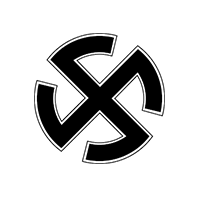
Jan Morcha did not hold a permanently reserved election symbol with the Election Commission of India. In 2007 Uttar Pradesh elections, its candidates used free symbols allotted for that poll. The party won one seat, Dayalbagh, through Dharmpal Singh. Official results and summaries list the outfit as JM in tables.

No notified Jan Morcha flag exists in Election Commission of India records. The Commission regulates symbols under the Symbols Order, but it does not register flags. Campaign rules mention limits on flags and allied displays. Consequently, references to Party Logo or Party Abbreviation are not maintained beyond election paperwork.

JM: Symbol Variations and Flag Status in ECI

Dharmpal Singh, the lone Jan Morcha MLA, announced a merger with the BSP in July 2008. In March 2009, Ajeya Pratap Singh merged the outfit with the Lok Janshakti Party. After these moves, JM aspirants operated under seat sharing and used ally symbols, per EC guidelines.

For clarity, there is no unique Jan Morcha election symbol or standard Jan Morcha flag. Any Party Logo used historically lacks recognition by the Commission. The most cited Party Abbreviation was JM in 2007 reports. The outfits political identity ended as an independent party following the 2009 merger into LJP.

Read More

Jan Morcha (JM) Ideology

Jan Morcha ideology focuses on social justice and economic equality, emphasizing inclusive growth for all. The party principles are rooted in empowering marginalized communities through equitable resource distribution and access to opportunities. Jan Morcha's political philosophy champions grassroots democracy, ensuring decision-making involves local populations and reflects their needs. This governance model aims to bridge socio-economic gaps, promoting sustainable development and national unity.

The party agenda prioritizes education reform, healthcare access, and employment generation as key drivers of progress. By advocating for a transparent and accountable government, Jan Morcha seeks to enhance public trust in political institutions. Their approach to governance emphasizes participatory politics, encouraging active citizen involvement in policy formulation and implementation. These core values define Jan Morcha's commitment to building a more equitable society.

Jan Morcha: Bridging Socio-Economic Divides

Jan Morcha principles include environmental sustainability as a fundamental aspect of their political strategy. The party's ideology integrates climate action with economic policies to ensure balanced development. Jan Morcha believes in fostering innovation and technological advancement while preserving natural resources for future generations. This comprehensive vision guides their policy initiatives across sectors.

Social harmony is central to the Jan Morcha governance model, aiming to unite diverse communities under shared national goals. By promoting cultural inclusivity and mutual respect, the party fosters a cohesive society where differences are celebrated. Through these efforts, Jan Morcha strives to create an environment conducive to peace, prosperity, and democratic integrity for every citizen.

Read More

Jan Morcha (JM) Principles

Jan Morcha principles emphasize inclusivity, aiming to represent diverse communities across India. The Jan Morcha ideology is rooted in social justice, prioritizing marginalized groups and advocating for their rights. This political party values transparency and accountability, ensuring that governance aligns with public interests and ethical standards. Its governance model focuses on decentralized decision-making, empowering local bodies to address regional concerns effectively.

In terms of economic policy, Jan Morcha principles support sustainable development, encouraging environmentally friendly practices. They believe in equitable distribution of resources to reduce socio-economic disparities. The party values education and healthcare as fundamental rights, promoting policies that enhance accessibility and quality. Political beliefs within Jan Morcha include upholding democratic processes and ensuring freedom of expression for all citizens.

Key Ideologies of Jan Morcha

The Jan Morcha ideology strongly opposes corruption, advocating for stringent measures to combat it within governmental frameworks. Their governance model encourages civic engagement, fostering a participatory democracy where citizens have a voice in policymaking. Party values also include fostering peaceful coexistence among diverse cultural and religious communities, aiming for a harmonious society.

Jan Morcha principles prioritize national unity while respecting regional identities and traditions. Their political beliefs emphasize non-violence as a means to resolve conflicts and promote peace nationally and internationally. By adhering to these core principles, the party aims to create an equitable society reflective of India's pluralistic ethos.

Read More
Jan Morcha (JM) Organisation Structure

Jan Morcha's organizational structure is key to its political operations. The party hierarchy features distinct roles, ensuring efficient governance and decision-making processes. At the apex is the Governing Body, responsible for major strategic decisions. This body provides direction, aligning party objectives with national interests.

The leadership of Jan Morcha comprises experienced politicians who guide the party's vision. The party structure includes various departments, each focusing on specific policy areas. These departments contribute to formulating comprehensive policies and political frameworks, reflecting the diverse needs of its supporters.

Jan Morcha Leadership and Decision-Making Process

Jan Morcha leadership employs a collaborative decision-making process. The party encourages dialogue among leaders to foster consensus-driven outcomes. Regular meetings at different organizational levels ensure the alignment of strategies with grassroots feedback.

The decision-making process involves input from regional committees, enhancing responsiveness to local issues. These committees play a crucial role in implementing policies effectively, ensuring grassroots engagement. This decentralized approach strengthens the party's connection with constituents.

Governing Body of Jan Morcha

The Governing Body holds significant authority within Jan Morcha's structure. It consists of senior leaders responsible for policy direction and electoral strategy. This body coordinates with regional units to streamline operations across different states.

Regular assessments by the Governing Body help in evaluating the effectiveness of policies and strategies. This ensures that the party remains adaptable and responsive to changing political dynamics.

Party Hierarchy and Regional Committees in Jan Morcha

The party hierarchy is designed to optimize operational efficiency. Below the Governing Body are regional committees tasked with implementing policies locally. These committees play an integral role in maintaining organizational coherence.

PositionRole
PresidentOversees all party functions and represents Jan Morcha nationally.
Vice-PresidentAssists President; focuses on specific policy areas.
General SecretaryCoordinates internal communications; manages day-to-day operations.
TreasurerHandles financial affairs; ensures transparent fund management.

The above table illustrates key positions within Jan Morcha's hierarchy. Each role is essential for smooth functioning and effective governance.

Political Framework and Strategy of Jan Morcha

The political framework of Jan Morcha emphasizes inclusivity and social justice. The party's strategy involves engaging diverse communities through targeted outreach programs. This approach enhances their appeal across different demographic segments.

The strategic focus includes building alliances with like-minded parties to strengthen electoral prospects. Collaboration with civil society organizations further enriches their policy initiatives, ensuring they address pressing social issues comprehensively.

Conclusion: Structural Efficiency in Jan Morcha

The organization of Jan Morcha reflects a commitment to structured governance and effective policymaking. The party's emphasis on decentralized decision-making fosters strong connections with constituents nationwide.

This structured approach enables Jan Morcha to navigate complex political landscapes successfully, adapting strategies as needed while maintaining core principles.

Read More

Jan Morcha (JM) Timeline

2009

Jan Morcha merged with the Rashtriya Lok Dal to strengthen its political presence in Uttar Pradesh.

2007

Actor and politician Raj Babbar revived Jan Morcha with the aim to contest in the Uttar Pradesh elections.

1990

V. P. Singh resigned from his position as Prime Minister following political instability and loss of majority support.

1988

V. P. Singh became the Prime Minister of India, leading a coalition government supported by Janata Dal and other parties.

1987

Jan Morcha was founded by V. P. Singh, a former Prime Minister of India, as a splinter group from the Indian National Congress.

Disclaimer:The information provided on this page is sourced from various publicly available platforms including https://en.wikipedia.org/, https://sansad.in/ls, https://sansad.in/rs, https://pib.gov.in/, https://affidavit.eci.gov.in/ and the official websites of state assemblies respectively. While we make every effort to maintain the accuracy, comprehensiveness and timeliness of the information provided, we cannot guarantee the absolute accuracy or reliability of the content. The data presented here has been compiled without consideration of the objectives or opinions of individuals who may access it.

Notifications
Settings
Clear Notifications
Notifications
Use the toggle to switch on notifications
  • Block for 8 hours
  • Block for 12 hours
  • Block for 24 hours
  • Don't block
Gender
Select your Gender
  • Male
  • Female
  • Others
Age
Select your Age Range
  • Under 18
  • 18 to 25
  • 26 to 35
  • 36 to 45
  • 45 to 55
  • 55+