

Get Updates
Get notified of breaking news, exclusive insights, and must-see stories!
Home | Political Parties | Sikkim Krantikari Morcha

Sikkim Krantikari Morcha

Sikkim Krantikari Morcha (SKM) is a prominent regional political party in Sikkim, India, committed to advocating socio-political reform and equitable governance. Established in 2013, SKM has rapidly become a vital force in Sikkimese politics, focusing on people's welfare and social justice. The party champions key issues like economic development, education, and infrastructure, aiming to foster sustainable progress in the state.

Led by P.S. Golay, Sikkim Krantikari Morcha emphasizes inclusive policies while addressing regional challenges. SKM gained significant prominence by prioritizing transparency, good governance, and bridging gaps between citizens and administration. The party's success in the 2019 Sikkim Legislative Assembly elections underscored its growing influence and public trust.

Sikkim Krantikari Morcha continues its mission to empower marginalized communities, reinforcing its role in political and socio-economic transformation. With its focus on development and accountability, SKM remains central to Sikkim's evolving political landscape.

Read More

By Administrator

Time Square

Monday, October 13, 2025, 03:45:05 PM [IST]

`

Sikkim Krantikari Morcha (SKM) Information

Party Name Sikkim Krantikari Morcha
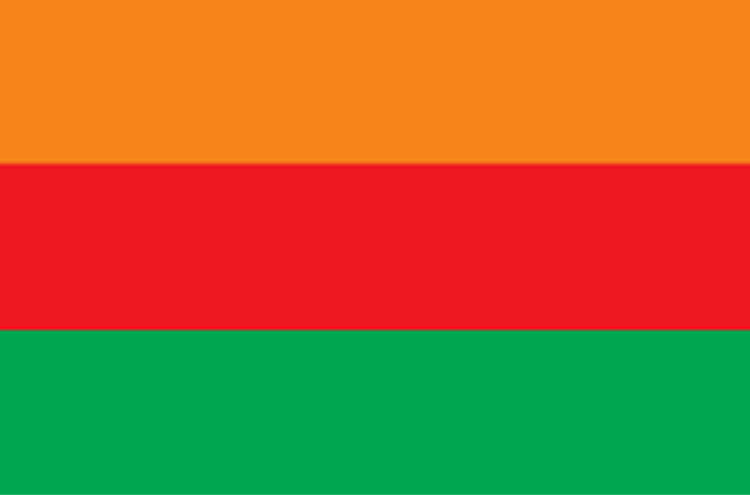
Party Flag
Sikkim Krantikari Morcha
Party Symbol
Table Lamp
 Table Lamp
Founder Prem Singh Tamang
Party Founded Date 04 Feb 2013
Split From Sikkim Democratic Front
No. of MPs Loksabha : 1
Rajyasabha : 0
Party Headquarters

Ghaley Compound, Tibet Road, Gangtok�737101, Sikkim, India.

Party President NA
Parliamentary Chairperson Indra Hang Subba
Loksabha Leader Indra Hang Subba
Treasurer Pravin Kr Agarwal
Student Wing SKM Students' Wing
Youth Wing SKM
Women's Wing SKM
Labour Wing SKM
Peasants Wing SKM Agriculture Wing
Political Position Centre-right
Website www.sikkimkrantikarimorcha.org

Sikkim Krantikari Morcha (SKM) Flag

Table Lamp is the officially allotted symbol of Sikkim Krantikari Morcha. The Election Commission of India approved it and the party unveiled it on March 14, 2014. The Sikkim Krantikari Morcha election symbol appears on EVMs and ballots. Media reports documented the unveiling and allocation during the 2014 campaign.

SKM used the Table Lamp widely across recent elections. It contested the 2024 Assembly and Lok Sabha elections using this reserved symbol. ECI results recorded decisive SKM victories in Sikkim. SKM aligns with the NDA. Its symbol stayed unchanged in seat sharing approved by the Election Commission of India.

SKM: Symbol and Flag

An official Sikkim Krantikari Morcha flag is publicly documented by reliable repositories and party channels. It is displayed at rallies, offices, and campaign stages as a visual marker. The party logo may appear on variants, maintaining political identity across printed, digital, and merchandise formats.

No officially recognised alternate symbol or flag for SKM is recorded by the Election Commission. The Sikkim Krantikari Morcha election symbol remains Table Lamp in current elections. The Sikkim Krantikari Morcha flag serves identification purposes. References to SKM, the party logo, and alliances do not alter this political identity.

Read More

Sikkim Krantikari Morcha (SKM) Ideology

The Sikkim Krantikari Morcha (SKM) ideology emphasizes the empowerment of regional communities and social equity. SKM principles focus on upholding the democratic rights of Sikkimese people while preserving their distinct cultural identity. The political philosophy of Sikkim Krantikari Morcha revolves around sustainable development and the protection of socio-economic interests. Their governance model advocates for transparency, inclusive participation, and accountability in administration.

The party agenda of the Sikkim Krantikari Morcha includes addressing unemployment, ensuring quality education, and improving healthcare infrastructure. SKM ideology also prioritizes environmental conservation, recognizing the unique ecological significance of Sikkim. Advocating for grassroot-level participation, the SKM principles seek to empower local communities through decentralized decision-making processes. This political philosophy focuses on addressing urban-rural divides while fostering harmonious development across Sikkim.

Key Tenets of SKM Ideology

The Sikkim Krantikari Morcha (SKM) governance model emphasizes fiscal discipline and sustainable public expenditures. Their party agenda includes implementing farmer-focused policies and promoting organic farming as a core economic activity. Furthermore, the SKM ideology highlights the importance of women’s empowerment and youth participation in decision-making. Protecting the interests of marginalized groups remains a crucial aspect of their political philosophy, ensuring balanced social development.

Through its principles, SKM actively supports policies addressing infrastructural gaps and promoting tourism-based economic growth. The party’s governance model encourages collaboration between the state and private sectors to maximize development opportunities. Sikkim Krantikari Morcha ideology ultimately strives to maintain political stability while fostering equitable growth for the people of Sikkim.

Read More

Sikkim Krantikari Morcha (SKM) Principles

The principles of Sikkim Krantikari Morcha (SKM) center on promoting inclusive governance and regional development. The party prioritizes transparency, integrity, and accountability in public administration, aiming to meet the aspirations of the people of Sikkim. SKM’s ideology focuses on upholding democratic values while fostering social equity and justice across diverse socioeconomic groups.

One of the core values of Sikkim Krantikari Morcha is advocating for economic self-reliance. The party emphasizes the importance of sustainable development by utilizing local resources to strengthen Sikkim’s economy. Furthermore, SKM’s political beliefs highlight protecting state autonomy and preserving Sikkim’s unique cultural heritage through policy-making and grassroots participation.

SKM Priorities: Governance Model and Social Empowerment

Sikkim Krantikari Morcha principles also stress a governance model rooted in decentralization and public participation. The party values empowering panchayats and local bodies to ensure efficient service delivery. Core to SKM’s ideology is bridging the gap between rural and urban areas by promoting equal access to infrastructure and opportunities.

Political beliefs of SKM focus on education, healthcare, and youth development. The party aims to provide quality education and vocational training to address unemployment. Alongside this, SKM prioritizes affordable healthcare, ensuring accessibility for underserved populations. Environmental conservation is also central to SKM values, reflecting their commitment to sustainable governance.

Read More
Sikkim Krantikari Morcha (SKM) Organisation Structure

The Sikkim Krantikari Morcha (SKM) has a streamlined political framework designed to ensure effective party leadership and governance. Its structure is hierarchical, enabling the efficient delegation of responsibilities at various levels within the organization.

SKM's party organization is divided into several tiers, starting with the grassroots level. This ensures active participation by local members and supporters, thereby strengthening its presence across constituencies. Key organizational decisions are made by the top governing body of the party.

Leadership Framework of SKM

At the apex of the Sikkim Krantikari Morcha structure is its President, who serves as the chief decision maker. The President provides strategic leadership while outlining the party’s vision, policies, and goals. The leadership team also includes the General Secretary, who manages the daily operations of the organization.

The governing body of SKM is supported by Vice Presidents and Secretaries, who oversee specific portfolios. They play pivotal roles in maintaining communication between central leadership and grassroots members, ensuring collective decision-making in policy matters. This layered hierarchy fosters organized functioning at every level.

Key Decision-Making Process in SKM

The decision-making process within SKM revolves around consultation and participation. Major policies are decided through deliberations involving the governing body and select advisory committees. This ensures alignment with the party's long-term objectives and local priorities.

SKM leaders regularly convene executive meetings to discuss political strategy and electoral campaigns. These meetings enable the party hierarchy to remain cohesive while addressing the evolving political dynamics in Sikkim. Emphasis is placed on democratic practices within internal discussions.

Regional Organization within SKM

SKM has a robust regional structure that divides its organizational activities into district committees. These committees act as intermediaries between the central leadership and local grassroots units. This ensures that the governing body maintains a strong connection to the community and its concerns.

Each district committee has a President, a Vice President, a General Secretary, and other key officials. These members are responsible for executing party plans, overseeing membership drives, and communicating feedback from the grassroots level. This decentralized framework strengthens accountability across the party organization.

Youth and Women Wings of SKM

The Sikkim Krantikari Morcha leadership encourages participation from diverse demographics through specialized wings. The Youth Wing mobilizes the younger population, promoting engagement in political campaigns and social initiatives. Members of this wing also play critical roles in executing the party's voter outreach strategies.

Similarly, the Women’s Wing is a vital element of the SKM structure. It focuses on addressing gender-specific issues while empowering women in the political sphere. Both wings work collaboratively with the governing body to align their activities with the SKM's broader political framework.

Collaborative Leadership Approach

SKM promotes a collaborative approach to governance by forming committees for critical functions. These committees include Policy Development, Election Strategy, and Financial Oversight teams. The party organization ensures that these groups work transparently under the central leadership's guidance.

The coordination between different committees and district units exemplifies the importance SKM places on teamwork. This approach enables the party to adapt its strategies effectively, ensuring smooth operation within the hierarchy.

LevelRoleKey Responsibility
CentralPresidentStrategic decision-making
CentralGeneral SecretaryDaily organizational management
DistrictDistrict PresidentRegional implementation
WingsYouth/Women LeadersMobilization and voter outreach

Overall, the Sikkim Krantikari Morcha structure is designed for inclusivity, accountability, and efficient delivery of objectives. Its leadership framework and political organization demonstrate a disciplined and participatory approach toward governance and outreach.

Read More

Sikkim Krantikari Morcha (SKM) Top Leaders

Sikkim Krantikari Morcha (SKM) Timeline

2023

SKM celebrated its 10th anniversary, marking a decade of its political journey from opposition to the ruling party in Sikkim.

2020

Under the leadership of SKM, the Sikkim government implemented measures to address the COVID-19 pandemic, including imposing lockdowns and enhancing health infrastructure.

2019

SKM won the 2019 Sikkim Legislative Assembly elections, defeating the SDF with a decisive majority and ending its 25-year rule. P.S. Golay became the Chief Minister of Sikkim.

2019

P.S. Golay was sworn in as the 6th Chief Minister of Sikkim, marking the beginning of SKM\'s rule in the state.

2018

P.S. Golay was released from jail after completing his one-year sentence, boosting the morale of SKM cadres and reviving party activities.

2017

SKM president P.S. Golay was sentenced to one year\'s imprisonment in a corruption case related to mismanagement during his stint as a minister in the SDF government.

2015

SKM organized protests against the ruling SDF over issues like corruption and governance, solidifying its position as a major opposition party in Sikkim.

2014

SKM contested the Sikkim Legislative Assembly elections for the first time, winning 10 out of 32 seats, thus emerging as a strong opposition party.

2013

Sikkim Krantikari Morcha (SKM), a regional political party in Sikkim, was founded by Prem Singh Tamang (P.S. Golay) with the aim of challenging the monopoly of Sikkim Democratic Front (SDF) in state politics.

Disclaimer:The information provided on this page is sourced from various publicly available platforms including https://en.wikipedia.org/, https://sansad.in/ls, https://sansad.in/rs, https://pib.gov.in/, https://affidavit.eci.gov.in/ and the official websites of state assemblies respectively. While we make every effort to maintain the accuracy, comprehensiveness and timeliness of the information provided, we cannot guarantee the absolute accuracy or reliability of the content. The data presented here has been compiled without consideration of the objectives or opinions of individuals who may access it.

Notifications
Settings
Clear Notifications
Notifications
Use the toggle to switch on notifications
  • Block for 8 hours
  • Block for 12 hours
  • Block for 24 hours
  • Don't block
Gender
Select your Gender
  • Male
  • Female
  • Others
Age
Select your Age Range
  • Under 18
  • 18 to 25
  • 26 to 35
  • 36 to 45
  • 45 to 55
  • 55+