



Get Updates
Get notified of breaking news, exclusive insights, and must-see stories!
Home | Political Parties | Indian Union Muslim League

Indian Union Muslim League

The Indian Union Muslim League (IUML) is a significant political party in India, known for representing the socio-political aspirations of the Muslim community. Established in 1948, it primarily operates in Kerala and Tamil Nadu while maintaining influence in national politics. The party emphasizes secularism, minority rights, and social justice as key pillars of its ideology. Recognized for its consistent electoral performance, the IUML is frequently allied with leading coalitions in Indian politics.

With a focus on education, economic development, and communal harmony, the Indian Union Muslim League has gained respect across various demographics. It advocates for the constitutional rights of minorities and promotes inclusive governance. Through its regional and national initiatives, the party remains a vital political force in India. The IUML’s enduring role in shaping India's democratic framework highlights its importance in contemporary political discourse.

Read More

By Administrator

Time Square

Monday, January 19, 2026, 04:53:36 PM [IST]

`

Indian Union Muslim League (IUML) Information

Party Name Indian Union Muslim League
Party Flag
Indian Union Muslim League
Party Symbol
Ladder
 Ladder
Founder M. Muhammad Ismail
Party Founded Date 10 Mar 1948
No. of MPs Loksabha : 3
Rajyasabha : 2
Party Headquarters

Quaid-e-Millath Manzil, No. 36, Maraikayar Lebbai Street, Chennai, Tamil Nadu, India.

Party President K. M. Kader Mohideen
Loksabha Leader E. T. Muhammed Basheer
Rajya Sabha Leader P. V. Abdul Wahab
Student Wing Muslim Students Federation
Youth Wing Muslim Youth League
Women's Wing Muslim Women's League
Labour Wing Swatantra Thozhilali Union
Peasants Wing Swathanthra Karshaka Sangam
Political Position Centre-right
Website iumlkerala.org

Indian Union Muslim League (IUML) Flag

Indian Union Muslim League election symbol is the Ladder, reserved by the Election Commission of India. The symbol appears on ballots, EVM displays, and candidate documents. IUML uses it consistently across Lok Sabha and Assembly contests. In seat-sharing with the Congress-led UDF in Kerala, the party contests on its own symbol. This ensures clear political identity and voter recall, regardless of constituency arrangements within the alliance.

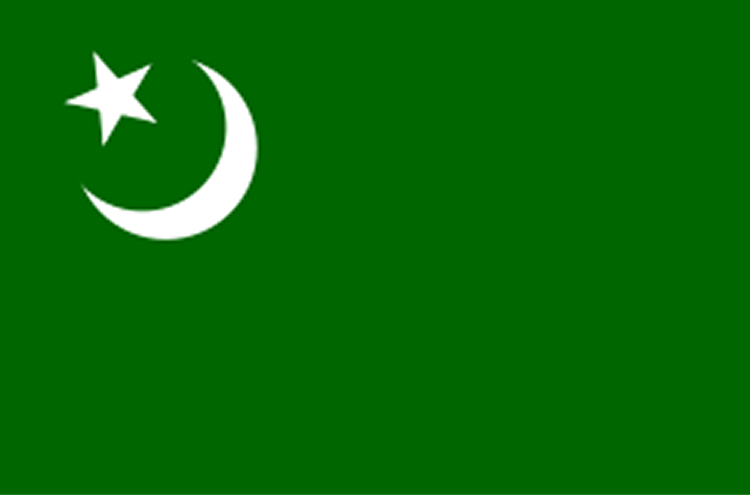
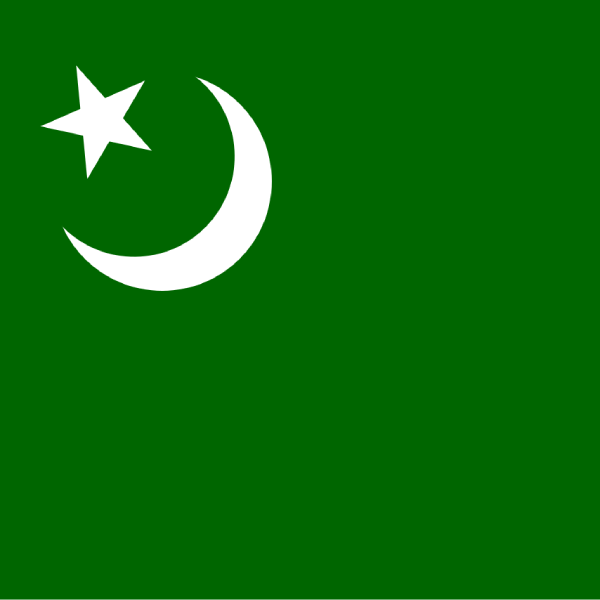
Indian Union Muslim League flag is a green field with a white crescent and star. The emblem sits near the hoist, distinguishing it from national flags. The party logo often pairs the Ladder with IUML lettering in campaign materials. Flag and logo appear at rallies, offices, and candidate events. These visuals reinforce the party abbreviation, IUML, and strengthen recognition among supporters and the broader electorate.

IUML: Symbol Variations and Flag Status

Under Election Commission of India rules, the Ladder is a reserved symbol for IUML. Candidates authorized by the party receive the symbol through Form B submissions. During alliances, including UDF arrangements, coalition partners retain their own symbols on EVMs. The Indian Union Muslim League election symbol therefore stays unchanged. Campaign creatives align with strict ECI specifications. This practice prevents confusion and protects political identity across districts and election cycles.

Read More

Indian Union Muslim League (IUML) Ideology

The Indian Union Muslim League (IUML) ideology is rooted in preserving and promoting the cultural and constitutional rights of minorities, especially Muslims, in India. The party emphasizes secularism as a key pillar of its political philosophy, advocating for harmonious coexistence among diverse communities. IUML principles reflect a focus on social justice, education, and protecting democratic values within the framework of the Indian Constitution.

A critical aspect of the IUML agenda is the equitable representation of marginalized communities in governance structures. The party supports policies aimed at uplifting economically weaker sections, irrespective of religion, while ensuring minority-specific concerns are adequately addressed. The governance model of IUML prioritizes education, healthcare, and social welfare schemes to achieve sustainable development and communal unity.

IUML's Commitment to Minority Rights and Democratic Principles

The Indian Union Muslim League ideology includes an active commitment to safeguarding constitutional provisions like Articles 25-30, which protect religious and cultural freedoms. The IUML principles advocate for legislative frameworks that prevent communal discord and uphold secular governance. Its political philosophy seeks to align minority rights within the broader context of national integrity while ensuring equitable development.

As part of its party agenda, IUML supports policies that promote inclusivity and foster respect for India's diversity. Additionally, its governance model underscores transparency, localized development, and empowering grassroots movements. Aligning with democratic ideals, the IUML consistently voices the concerns of underrepresented groups in policy-making processes, reinforcing its strong ideological stance.

Read More

Indian Union Muslim League (IUML) Principles

The Indian Union Muslim League principles center on secularism, social justice, and protection of minority rights. Founded on democratic values, the party emphasizes equality for all citizens under India's constitutional framework. Upholding religious and cultural coexistence, it strongly advocates policies promoting communal harmony and safeguarding multiculturalism. Its political beliefs align with the vision of empowering marginalized communities through education, economic upliftment, and fair representation in governance.

A core tenet of IUML's ideology is the preservation of India's secular ethos. Respect for constitutional democracy forms the backbone of its governance model. The party supports the democratic process to ensure inclusive development and stands against discrimination based on religion, caste, or culture. Advocating for education access and healthcare reforms, the party prioritizes public welfare programs benefiting all communities.

Advocacy for Justice and Equality: IUML's Core Values

The Indian Union Muslim League values justice, fairness, and empowerment of marginalized regions. It campaigns for gender equality, labor rights, and minority welfare. Addressing social disparity remains integral to its political agenda, affirming its commitment to equitable policy implementation. The party’s governance model promotes modernization while respecting traditional values.

By focusing on parliamentary processes, the IUML principles underscore democratic accountability and transparency. It emphasizes diplomatic solutions for interfaith disputes, reflecting its vision of fostering unity within India's pluralistic society.

Read More
Indian Union Muslim League (IUML) Organisation Structure

The Indian Union Muslim League (IUML) operates with a well-defined organizational structure and hierarchical framework. The party's leadership follows a centralized system with decision-making powers exercised through elected and appointed committees. The IUML's structure ensures representation across different states and regional units, aligning with the party’s core objectives. This framework allows the leadership to maintain strong connections with grassroots supporters while addressing national political strategies.

At the top, the IUML is governed by a President, who serves as the highest authority within the party hierarchy. The President oversees major decisions, supervises the party’s overall direction, and ensures alignment with its ideological goals. Supporting the President, a working committee composed of senior leaders functions as the key governing body. This committee collectively drafts policies and resolves critical administrative matters, reinforcing the party’s organizational stability.

IUML Leadership and Party Organization

The IUML's leadership appoints a General Secretary responsible for managing day-to-day operations and communicating decisions across lower levels. The General Secretary plays a vital role in coordinating with the state units and ensuring effective implementation of party decisions. A Treasurer is also appointed to oversee the party’s financial management and maintain transparency in fundraising activities, a crucial aspect of the IUML’s organizational framework.

State committees form a significant tier in the IUML structure, enabling decentralized administration. Each state committee is headed by a State President, who implements directives received from the central leadership. These committees also facilitate coordination between district and local-level units. By maintaining this multi-layered setup, the IUML ensures a seamless flow of information across all levels, strengthening its political framework and grassroots connectivity.

Decision-Making Process in the IUML

The IUML adopts a collective decision-making process that emphasizes inclusivity and consensus-building. Policy proposals are discussed in the working committee before being finalized by the central leadership. Feedback from state and district committees is often incorporated into decisions to reflect grassroots perspectives. This inclusive process contributes significantly to the IUML's party organization and ensures its credibility among members.

The IUML constitution also mandates regular conventions at different levels to review and adjust the party’s strategies. These conventions provide an opportunity for representatives from various organizational tiers to voice their opinions. The party hierarchy ensures that each level of the organization remains engaged, fostering strong internal communication and coordination.

IUML Political Framework and Key Committees

The political framework of the IUML is supported by core committees, including the Election Committee and Policy Advisory Board. The Election Committee coordinates candidate selection, campaigns, and political alliances, ensuring adherence to the party's electoral strategies. Meanwhile, the Policy Advisory Board evaluates emerging issues and formulates policy recommendations for the leadership.

Youth and student wings, such as the Muslim Students Federation (MSF) and the Youth League, also form integral parts of the IUML organization. These units collaborate closely with the leadership to amplify the party’s outreach programs. Additionally, women’s wings actively participate in addressing community-specific concerns, playing a vital role in expanding the party’s appeal.

Hierarchical Composition of IUML Organization

Organizational LevelKey PositionsPrimary Role
Central LeadershipPresident, Working CommitteePolicy-making and strategic decisions
State CommitteesState President, SecretariesImplementation of central directives
District UnitsDistrict Secretary, Local LeadersMobilization and grassroots coordination

The structured hierarchy of the IUML ensures effective communication and efficient implementation of policies. With clearly defined roles and responsibilities at every level, the IUML maintains organizational coherence while pursuing its political objectives. Its leadership, decision-making process, and committees reflect a robust political structure designed to promote its agenda effectively.

Read More

Indian Union Muslim League (IUML) Timeline

2023

The IUML joined the Opposition INDIA bloc, an alliance of opposition parties formed to counter the ruling coalition in India.

2017

E. Ahamed, the veteran IUML leader and long-serving Member of Parliament, passed away in New Delhi.

2004

IUML increased its representation in the Lok Sabha by winning multiple seats in the 2004 Indian general elections.

1991

E. Ahamed, one of the prominent figures in Kerala politics and IUML leadership, became the president of the party.

1980

The Indian Union Muslim League joined the United Democratic Front (UDF), a coalition that ruled Kerala for several terms.

1967

The Indian Union Muslim League joined the ruling United Front coalition government in Kerala.

1957

IUML emerged as a major party in Kerala politics, forming strong support among the Muslim population in the state.

1951

The party contested its first general elections in India, marking its entry into Indian electoral politics.

1948

The Indian Union Muslim League was formed in Chennai as a successor to the pre-partition All-India Muslim League that dissolved following the creation of Pakistan.

Disclaimer:The information provided on this page is sourced from various publicly available platforms including https://en.wikipedia.org/, https://sansad.in/ls, https://sansad.in/rs, https://pib.gov.in/, https://affidavit.eci.gov.in/ and the official websites of state assemblies respectively. While we make every effort to maintain the accuracy, comprehensiveness and timeliness of the information provided, we cannot guarantee the absolute accuracy or reliability of the content. The data presented here has been compiled without consideration of the objectives or opinions of individuals who may access it.

Notifications
Settings
Clear Notifications
Notifications
Use the toggle to switch on notifications
  • Block for 8 hours
  • Block for 12 hours
  • Block for 24 hours
  • Don't block
Gender
Select your Gender
  • Male
  • Female
  • Others
Age
Select your Age Range
  • Under 18
  • 18 to 25
  • 26 to 35
  • 36 to 45
  • 45 to 55
  • 55+