
Get Updates
Get notified of breaking news, exclusive insights, and must-see stories!
Home | Political Parties | Nationalist Democratic Progressive Party

Nationalist Democratic Progressive Party

The Nationalist Democratic Progressive Party (NDPP) is a prominent regional political party in Nagaland, India. Founded in 2017, the NDPP focuses on promoting regional aspirations while prioritizing progressive governance and development. Known for its emphasis on socioeconomic advancement, the party actively advocates for sustainable policies addressing Nagaland's unique cultural, economic, and political challenges.

The NDPP has emerged as a significant political force in state politics, aligning itself with national and regional interests. Key NDPP goals include fostering regional harmony, ensuring infrastructural growth, and empowering local communities through inclusive policies. The party's focus on strengthening governance and promoting democratic principles resonates strongly with the electorate.

Positioning itself as a forward-thinking organization, the Nationalist Democratic Progressive Party prioritizes transparency and citizen-focused initiatives. With a mission rooted in progress and regional representation, the NDPP continues to drive impactful changes across Nagaland's political landscape.

Read More

By Administrator

Time Square

Monday, October 13, 2025, 04:55:04 PM [IST]

`

Nationalist Democratic Progressive Party (NDPP) Information

Party Name Nationalist Democratic Progressive Party
Party Flag
Nationalist Democratic Progressive Party
Party Symbol
Globe
 Globe
Founder Neiphiu Rio
Party Founded Date 17 May 2017
Split From Naga People's Front
No. of MPs Loksabha : 0
Rajyasabha : 0
Party Headquarters

H/No:155 (1), Ward No.4, Chumoukedima, Nagaland, India - 797103

Party President Chingwang Konyak
Youth Wing NDPP Central Youth Organisation
Women's Wing NDPP
Political Position Centre-right
Website ndpp.co.in

Nationalist Democratic Progressive Party (NDPP) Flag

Nationalist Democratic Progressive Party election symbol is the Globe, reserved by the Election Commission of India. The party became a recognised State Party in Nagaland on April 17, 2018. The ECI notification allotted the Globe as NDPPs exclusive symbol for ballots. Candidates and campaign materials therefore display the Globe consistently across constituencies. This reservation follows the Symbols Order, 1968, governing party symbols nationwide.

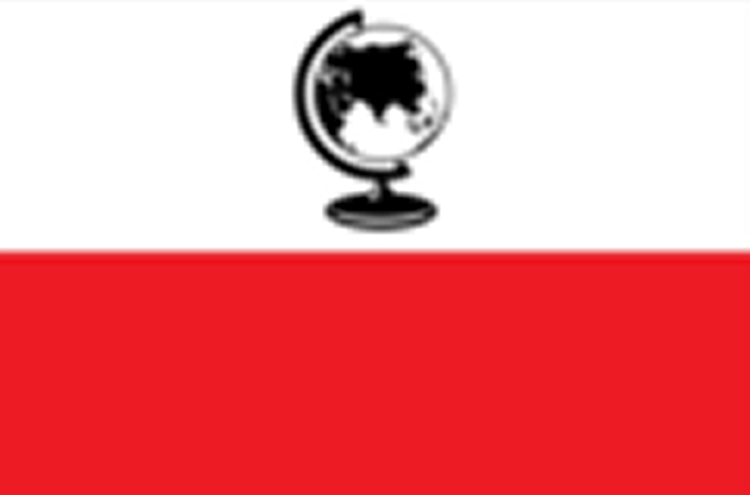
Nationalist Democratic Progressive Party flag is not notified by the Election Commission of India. The Commission reserves symbols, not flags, under the Election Symbols Order, 1968. NDPP therefore relies on its Party Logo, featuring the Globe, for political identity. Party banners and merchandise may show the logo, but there is no Commission-certified flag design. Public records do not assign official colours through the Commissions processes.

NDPP: Election Symbol, Flag Status, Alliances, Usage, and ECI Compliance Guidelines

During alliances, NDPP fields its candidates on the Globe while allies use theirs. In 2018 and 2023, NDPP and BJP followed a 40:20 seat-sharing formula in Nagaland. NDPP won 25 seats in 2023, BJP won 12, contesting under their respective symbols. This clarified brand separation on ballots and posters. Party Abbreviation shown in materials is NDPP, matching the reserved symbol recognition.

Read More

Nationalist Democratic Progressive Party (NDPP) Ideology

The ideology of the Nationalist Democratic Progressive Party (NDPP) is centered on promoting inclusive governance while upholding regional aspirations. The party emphasizes the importance of preserving cultural heritage alongside progressive development initiatives. Advocating a balanced approach to development, the NDPP principles focus on sustainable growth, equitable resource distribution, and ensuring political stability within its governance model. The party’s core values include transparency, accountability, and fostering grassroots-level leadership.

Key elements of the NDPP ideology include addressing the unique sociopolitical challenges of the Northeastern states. It prioritizes strengthening federalism and aligns its political philosophy with developmental policies aimed at empowering marginalized communities. Advocating people-centric governance, the NDPP agenda ensures equal participation for all sections of society. Its policymaking process integrates contemporary reforms tailored to align with local and national objectives.

Core Principles Driving the NDPP Vision

The Nationalist Democratic Progressive Party (NDPP) principles emphasize fostering cooperation between central and state governments. A cornerstone of NDPP’s ideology is achieving peace through dialogue and inclusive democratic practices. The party implements a governance model emphasizing decentralization, ensuring better policy execution at the grassroots level. Promoting infrastructural development, rural rejuvenation, and livelihood generation remains central to its agenda.

Under its political philosophy, the NDPP seeks to address socio-economic disparities while preserving indigenous identities. It envisions a forward-looking developmental framework by embracing innovation, infrastructural modernization, and youth engagement. The party’s ideology reflects a commitment to empowering its constituency and ensuring sustainable state development.

Read More

Nationalist Democratic Progressive Party (NDPP) Principles

The Nationalist Democratic Progressive Party (NDPP) adheres to principles focused on inclusive governance and regional empowerment. Its core political beliefs rest on promoting socio-economic equality, fostering local empowerment, and ensuring sustainable development. The party supports transparent and accountable administrative frameworks to achieve progress aligned with citizens’ needs.

NDPP’s ideology emphasizes preserving regional traditions and culture while adopting progressive policies for social advancement. The party advocates peaceful coexistence, prioritizing dialogue and consensus-building among diverse communities. Strengthening local governance models, such as grassroots institutions and civil society networks, is pivotal to their vision. Decentralization and participatory governance are core values promoted consistently by the NDPP.

Commitment to Development: NDPP’s Guiding Principles

The Nationalist Democratic Progressive Party principles focus on equitable development across urban and rural regions. Ensuring inclusive economic growth, the party emphasizes agriculture, education, infrastructure, and healthcare sectors. By leveraging regional resources responsibly, the NDPP aims to stimulate sustainable progress while addressing unemployment and poverty.

Aligning with its party values, the NDPP advocates policy measures rooted in fairness, inclusivity, and efficiency. Among its core governance models, the party emphasizes fostering harmony between state and central governments. Social justice, youth empowerment, and tackling corruption form vital pillars of its political beliefs for achieving long-term societal progress.

Read More
Nationalist Democratic Progressive Party (NDPP) Organisation Structure

The organizational structure of the Nationalist Democratic Progressive Party (NDPP) is strategically designed to ensure efficient functioning. At its core, the party operates under a clearly defined hierarchy, with distinct roles and responsibilities at each level. This structure strengthens decision-making and enables localized representation of its political framework. The party values decentralized administration, ensuring equal weightage to regional and central leadership. The framework is purpose-built to align with its vision for democratic politics in Nagaland and beyond.

The NDPP leadership is spearheaded by the President, who provides overall strategic direction to the party. The President is supported by several Vice Presidents, each overseeing specific portfolios. This governing body collectively ensures that the party adheres to both its objectives and the expectations of its constituents. The General Secretary plays an essential administrative role, actively coordinating tasks across departments and maintaining internal cohesion in the party hierarchy.

Leadership and Administrative Structure of NDPP

The decision-making process within the NDPP is guided by inclusivity, ensuring representation from all levels of the party framework. The Working Committee is the apex decision-making body of the organization, tasked with shaping policies and monitoring their implementation. Regular meetings are held to review the party's progress and address emerging challenges. Each member of this body has defined responsibilities to streamline party functioning.

Beneath the Working Committee exists the Executive Committee, which focuses on executing strategy and maintaining communication between central and state-level units. The Executive Committee's operations are closely linked to the grassroots members of the NDPP structure. This robust connection ensures that decisions made at the top align with regional concerns and priorities. The committee also oversees recruitment and coordination among party workers at the district and block levels.

Decision-Making Process and Regional Representation in NDPP

The NDPP’s decision-making process integrates feedback from the grassroots levels, allowing democratic participation at all levels of the party organization. The party hierarchy includes state councils, district committees, and block-level units, which act as foundational representatives. These units gather on-ground insights and relay them to the leadership for informed deliberations. Structured data from these committees helps frame sustainable policies tailored to local dynamics.

To stabilize its political framework, the NDPP follows a clear protocol for conflict resolution and internal elections. The Election Committee ensures fair candidate selection processes, guided by the ethos of meritocracy, regional outreach, and voter expectations. These mechanisms further boost the party’s credence as a democratic and reliable entity. Each department within the NDPP focuses on specialized areas, such as research, agitation, and election campaigning, to minimize overlaps and enhance focus.

Governing Body and Specialized Divisions of NDPP

The NDPP governing body splits responsibilities into specialized divisions, including youth, women, and minority wings. The Youth Wing ensures greater representation and engagement among the younger demographic. The Women’s Wing works to advance gender equality and empowerment within the party structure. Minority divisions promote inclusivity and nurture broader support among marginalized communities.

Financial oversight within the party is handled by the Treasurer, who collaborates with the Finance Committee. This committee ensures transparency and accountability in the management of party funds. Additionally, a media and publicity team drafts communication strategies, bridges the leadership with the public, and aids in shaping the party’s narrative through modern communication methods. This multi-faceted organizational model strengthens the NDPP governing body's operational efficiency.

RoleResponsibilities
PresidentOverall leadership and strategic direction
Vice PresidentsPortfolio-specific policy oversight
General SecretaryAdministration and coordination
TreasurerFinancial transparency and fund management
Working CommitteeKey decision-making and policy formulation

This streamlined structure enables the NDPP to remain responsive to both national challenges and regional aspirations, cementing its vision. The Nationalist Democratic Progressive Party structure exemplifies organization and adaptability in political leadership.

Read More

Nationalist Democratic Progressive Party (NDPP) Top Leaders

Nationalist Democratic Progressive Party (NDPP) Timeline

2023

Neiphiu Rio was sworn in as the Chief Minister of Nagaland for a consecutive term after the NDPP-BJP alliance retained power in the state.

2017

The Nationalist Democratic Progressive Party (NDPP) was formally founded in Nagaland by Neiphiu Rio and other political leaders as a regional political party.

2017

NDPP, in alliance with the Bharatiya Janata Party (BJP), won the Nagaland Legislative Assembly elections and formed a government. Neiphiu Rio became the Chief Minister.

2017

Neiphiu Rio, the leader of NDPP, took oath as the Chief Minister of Nagaland after the party\'s electoral success in coalition with the BJP.

2017

The NDPP-BJP alliance won a significant majority in the Nagaland legislative assembly elections, enabling Neiphiu Rio to continue as the Chief Minister.

Disclaimer:The information provided on this page is sourced from various publicly available platforms including https://en.wikipedia.org/, https://sansad.in/ls, https://sansad.in/rs, https://pib.gov.in/, https://affidavit.eci.gov.in/ and the official websites of state assemblies respectively. While we make every effort to maintain the accuracy, comprehensiveness and timeliness of the information provided, we cannot guarantee the absolute accuracy or reliability of the content. The data presented here has been compiled without consideration of the objectives or opinions of individuals who may access it.

Notifications
Settings
Clear Notifications
Notifications
Use the toggle to switch on notifications
  • Block for 8 hours
  • Block for 12 hours
  • Block for 24 hours
  • Don't block
Gender
Select your Gender
  • Male
  • Female
  • Others
Age
Select your Age Range
  • Under 18
  • 18 to 25
  • 26 to 35
  • 36 to 45
  • 45 to 55
  • 55+