Get Updates
Get notified of breaking news, exclusive insights, and must-see stories!
Home | Political Parties | Nagaland Peoples Front

Nagaland Peoples Front

The Naga People's Front (NPF) is a prominent regional political party based in Nagaland, India. Established in 2002, the party primarily focuses on promoting peace, unity, and development across northeastern states. Representing Naga aspirations, the NPF emphasizes addressing long-standing socio-political issues while fostering prosperity within tribal communities.

As a driving force in regional politics, the Naga People's Front has consistently advocated for safeguarding Naga identity and culture. The party's commitment to supporting sustainable development aligns with its vision to uplift marginalized populations. Over the years, NPF has played a crucial role in state legislation and governance.

Known for its influence in Nagaland and parts of Manipur, the Naga People's Front remains dedicated to resolving critical issues through dialogue. With a mission of creating political stability, the NPF continues to strengthen its presence across northeastern India. Learn more about this impactful party shaping regional governance.

Read More

By Administrator

Time Square

Monday, October 13, 2025, 03:05:04 PM [IST]

`

Nagaland Peoples Front (NPF) Information

Party Name Nagaland Peoples Front
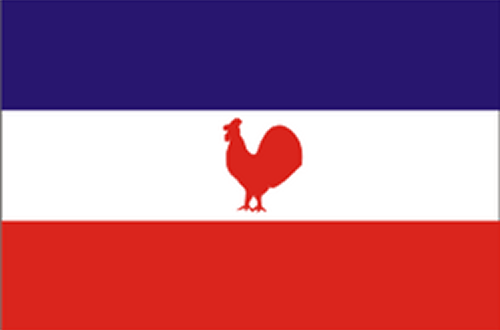
Party Flag
Nagaland Peoples Front
Party Symbol
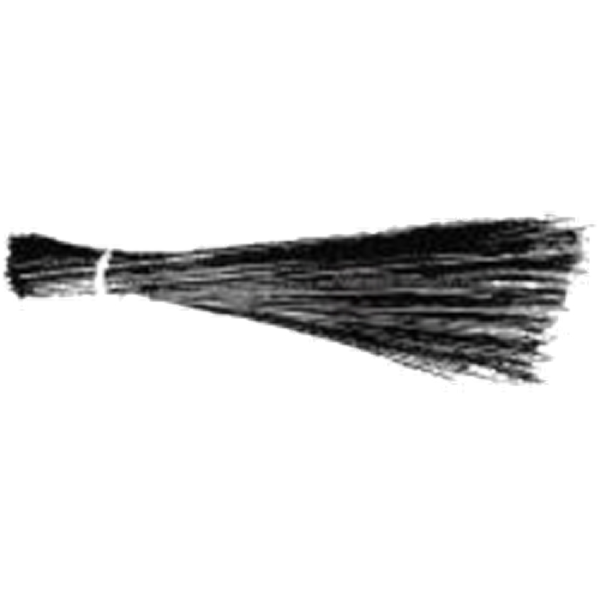
Cock
 Cock
Founder Neiphiu Rio
Party Founded Date 01 Jan 2022
Party Headquarters Kohima, Nagaland
Party President Apong Pongener
Political Position Centre-right
Website NagaPeoplesFront.org

Nagaland Peoples Front (NPF) Flag

The Election Commission of India reserves the 'Cock' as the Nagaland Peoples Front election symbol. The party is officially registered as Naga People's Front (NPF). Candidates use this reserved emblem on ballots in Nagaland and Manipur. These terms reference the party logo and political identity.

Nagaland Peoples Front flag is not officially recognized by the Election Commission of India. The Commission allocates election symbols, not party flags, under its Symbols Order. Party materials sometimes display a flag featuring the Cock as the party logo. Such depictions are branding and not standardized by the Commission.

NPF: Symbol continuity and flag recognition

In municipal and town council elections in May 2024, Nagalands State Election Commission listed Naga Peoples Front with the Cock symbol. Pfutsero Town Councils October 2025 notice carried the same allocation. Alliances or seatsharing have not altered this reserved emblem. Candidates therefore appear with the Cock emblem in ULB and assembly contests.

When contesting outside Nagaland, recognized parties may obtain concession to use a reserved symbol. NPF applies this framework in Manipur while retaining the Cock symbol. Allied parties field candidates on their own symbols during seatsharing. Ballots and EVM displays place the emblem beside NPF candidates.

Read More

Nagaland Peoples Front (NPF) Ideology

The Naga People's Front (NPF) is centered on fostering unity and identity within Nagaland and its neighboring regions. The NPF ideology emphasizes preserving the unique cultural heritage and traditions of the Naga people. This political philosophy strengthens the party’s commitment to safeguarding autonomy and advocating for self-determination. A cornerstone of its principles is promoting inclusive growth and development in the northeastern states of India.

Embedded within the Naga People's Front principles is a governance model that prioritizes grassroots participation in decision-making. The party agenda focuses on addressing socio-economic disparities while upholding regional traditions. Protecting the rights and aspirations of marginalized communities is integral to its political philosophy. Its governance approach underscores bridging infrastructural gaps while fostering peace and reconciliation among diverse ethnic groups.

Core Focus of NPF Ideology and Governance Model

The NPF ideology strongly advocates for peace negotiations regarding politically sensitive Naga issues. Upholding the ethos of non-violence and collaboration remains foundational to their governance model. The party agenda aligns with fostering sustainable development, ensuring rural connectivity, and empowering tribal councils within the region. With its deeply rooted political philosophy, the Naga People's Front remains consistent in projecting regional aspirations on national platforms.

Through its structured party agenda, the Naga People's Front aspires to address socio-political challenges while nurturing cultural pride. By integrating traditional and modern governance models, the NPF principles highlight a comprehensive vision for progress. This dedication to preserving identity and achieving equitable development solidifies its ideological stance within the Northeastern political spectrum.

Read More

Nagaland Peoples Front (NPF) Principles

The principles of the Naga People’s Front (NPF) center on promoting regional unity, identity, and inclusive governance. The party is dedicated to preserving the cultural heritage and socio-political aspirations of the Naga people. Guided by its foundational principles, the NPF seeks peaceful solutions to long-standing issues while ensuring balanced development across Nagaland’s diverse regions.

The NPF ideology emphasizes political beliefs rooted in maintaining the rights and aspirations of indigenous communities. It upholds transparency, accountability, and fairness in administrative governance, forming the core of its governance model. Strengthening grassroots participation in democracy is another pivotal principle, empowering communities to play active roles in region-centric decision-making processes.

Naga People’s Front (NPF): Commitment to Regional Values and Justice

Key party values of the Naga People’s Front include fostering inter-community harmony and socio-political stability. The party also prioritizes equitable economic development, aiming to reduce disparities across regions. Security, peace, and autonomy form vital aspects of the NPF’s ideology, aligning with its commitment to self-determination.

The Naga People’s Front principles advocate for diplomacy and dialogue to resolve conflicts while opposing divisive politics. Its governance model focuses on people-centric policies grounded in justice and fairness. Through consistent adherence to its values, the NPF remains committed to safeguarding the interests of the Naga people while upholding democratic ideals at every level of leadership.

Read More
Nagaland Peoples Front (NPF) Organisation Structure

The Naga People’s Front (NPF) is a regional political party primarily operating in the northeastern states of India. Its organizational structure is hierarchical and designed to facilitate decision-making processes across various levels of governance. The foundation of its structure is rooted in its commitment to representing the aspirations of the Naga people and their cultural heritage.

The NPF’s leadership comprises key office-bearers who oversee the party’s political framework and decision-making processes. The President holds the highest authority, guiding the party’s vision and strategies. Subordinate to this role is the Working President, who coordinates between different departments and ensures smooth execution of policies. The General Secretary is tasked with administrative duties and communication throughout the party hierarchy.

Key Leadership Roles in NPF's Organizational Hierarchy

The governing body of the NPF is composed of an Executive Committee that includes the President, Vice Presidents, General Secretaries, and members representing various demographic and geographical constituencies. This committee is responsible for drafting party policies and managing critical decision-making processes at the state and regional levels. The Treasurer oversees financial management and ensures transparency in monetary affairs.

At the district level, the party organization is managed by District Presidents, who work directly under the state leadership. These leaders mobilize grassroots supporters and ensure that the party’s agenda resonates with local voters. Additionally, women and youth wings play a significant role in strengthening the party framework, promoting inclusivity at every organizational layer.

State and Grassroots Structure of NPF

The NPF operates through a well-defined political framework, maintaining a robust presence from the state to the village level. At the state level, the Central Office directs activities and formulates policies for regional implementation. The Standing Committees are specific governing bodies designed to address region-specific issues and ensure that the party remains focused on its objectives.

At the grassroots, Village Units and Area Units form the backbone of the NPF’s organization. Each unit plays a critical role in connecting voters with the higher governing body and addressing local issues. The system is designed to ensure a bottom-up feedback mechanism, enabling an inclusive decision-making process within the party structure.

Internal Committees and Decision-Making Process of NPF

The NPF emphasizes a participative decision-making process, involving multiple levels of its hierarchy. Internal committees, such as the Election Committee and Disciplinary Committee, work to uphold the political framework and values of the party. The Election Committee designs the strategy for elections and selects candidates through consultations with provincial leaders.

The Disciplinary Committee resolves internal disputes and ensures adherence to the party’s core principles. Additionally, the Policy and Planning Committee closely monitors socio-political developments and proposes policy recommendations to the top leadership. These governing bodies collectively oversee the functionality and coherence of the party framework.

Women and Youth Representation Within NPF

The NPF integrates gender and youth representation into its structure to strengthen its grassroots connection. The Women’s Wing promotes equal participation in decision-making processes and campaigns at the local level. Similarly, the Youth Wing, led by dynamic leaders, engages young voters and amplifies the party’s vision through social and cultural activities.

This organizational model ensures a balance between senior leadership and active participation from emerging members of the community. The inclusion of diverse representatives fosters a unified movement under the NPF banner, enhancing its appeal among the electorate.

RolePrimary Responsibility
PresidentOversees party vision and strategies
Working PresidentCoordinates departments and implementation of decisions
General SecretaryHandles administration and communication
TreasurerManages party finances

Read More

Nagaland Peoples Front (NPF) Timeline

2016

The NPF experienced internal conflict and leadership struggles, creating divisions within the party.

2016

In the 2018 Nagaland elections, the NPF lost its majority to the NDPP-BJP alliance and moved to the opposition.

2016

The NPF joined the Nagaland United Government, a coalition working towards resolving the Naga political issue.

2013

The NPF retained power in the Nagaland Assembly elections, again forming the government with Neiphiu Rio as the Chief Minister.

2003

The NPF won the Nagaland Legislative Assembly elections and formed the government under Neiphiu Rio as Chief Minister.

2002

The Naga People\'s Front (NPF) was officially established as a regional political party aimed at representing the interests of Nagaland and fostering Naga unity.

1963

Naga People\'s Front traces its roots to the formation of the Democratic Party, an earlier political organization in Nagaland.

Disclaimer:The information provided on this page is sourced from various publicly available platforms including https://en.wikipedia.org/, https://sansad.in/ls, https://sansad.in/rs, https://pib.gov.in/, https://affidavit.eci.gov.in/ and the official websites of state assemblies respectively. While we make every effort to maintain the accuracy, comprehensiveness and timeliness of the information provided, we cannot guarantee the absolute accuracy or reliability of the content. The data presented here has been compiled without consideration of the objectives or opinions of individuals who may access it.

Notifications
Settings
Clear Notifications
Notifications
Use the toggle to switch on notifications
  • Block for 8 hours
  • Block for 12 hours
  • Block for 24 hours
  • Don't block
Gender
Select your Gender
  • Male
  • Female
  • Others
Age
Select your Age Range
  • Under 18
  • 18 to 25
  • 26 to 35
  • 36 to 45
  • 45 to 55
  • 55+