Get Updates
Get notified of breaking news, exclusive insights, and must-see stories!
Home | Political Parties | Jana Unnayan Mancha

Jana Unnayan Mancha

The Jana Unnayan Mancha is a prominent political party in India, focusing on social development. Established to address various socio-economic issues, this political entity emphasizes inclusive growth and empowerment. With a robust political agenda, the party advocates for equitable resource distribution and transparent governance. The Jana Unnayan Mancha's commitment to grassroots democracy reflects its mission to uplift marginalized communities through sustainable initiatives.

As an influential player in India's political landscape, the party seeks to foster economic reforms that benefit all citizens. Their strategic approach involves community engagement and policy advocacy aimed at enhancing public welfare. By leveraging innovative solutions, the Jana Unnayan Mancha strives to tackle challenges such as poverty and unemployment effectively.

This political party's vision is anchored in promoting education, healthcare, and infrastructure development across India. Recognized for its progressive policies, the Jana Unnayan Mancha remains dedicated to fostering a harmonious society where every individual can thrive. With its growing popularity, the party continues to impact India's socio-political dynamics significantly.

Read More

By Rashmi

Time Square

Monday, March 2, 2026, 04:45:37 PM [IST]

`

Jana Unnayan Mancha (JUM) Information

Party Name Jana Unnayan Mancha
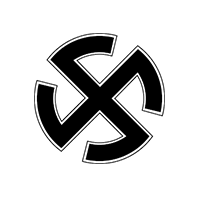
Party Flag
Jana Unnayan Mancha
Party Symbol
--
 --
Party Headquarters

NA

Party President --
Secretary Ramanimohan Nag Chowdhury
Social Handles
facebook

Jana Unnayan Mancha (JUM) Flag

Jana Unnayan Mancha does not hold a reserved symbol with the Election Commission of India. As a registered but unrecognised party, its candidates get a Jana Unnayan Mancha election symbol. It is chosen from the ECI free list. When conditions apply, a common symbol is allotted for that election only. Otherwise, individual free symbols may be assigned.

No officially recognised Jana Unnayan Mancha flag is recorded in ECI notifications. No standard party logo is notified. The Party Abbreviation is JUM, used in earlier election documents. These identifiers change per contest and do not confer permanent political identity.

JUM: Symbol Allocation and Flag Status

Under ECI rules, recognised parties have reserved symbols nationally. Registered unrecognised parties receive common symbols when fielding minimum candidates under Para 10B in that State. Otherwise, candidates choose from free symbols during nomination. Those symbols mark ballots and EVMs for that specific election alone.

In West Bengal elections, JUM appeared as a registered outfit and contested selectively, including 2006. Any Jana Unnayan Mancha flag displayed in campaigns lacks recognition before the Election Commission of India. Voters should rely on the allotted symbol printed on ballot papers and displayed on machines. This clarifies the party's electoral markings.

Read More

Jana Unnayan Mancha (JUM) Ideology

The Jana Unnayan Mancha ideology emphasises inclusive development and social justice. It prioritizes marginalized communities, ensuring equal opportunities and resources for all citizens. The party agenda focuses on reducing socio-economic disparities through targeted welfare programs. This political philosophy highlights transparency, accountability, and participatory governance as core principles of their governance model.

Jana Unnayan Mancha principles advocate for sustainable development practices that align with environmental conservation. They promote renewable energy sources to reduce carbon footprints while ensuring economic growth. Their political philosophy underscores the importance of education as a tool for empowerment and societal advancement. The party agenda also includes improving healthcare access for underserved populations.

JUM's Focus on Economic Empowerment

The Jana Unnayan Mancha (JUM) ideology supports economic empowerment through skill development initiatives and entrepreneurship. The party's governance model fosters an environment conducive to small business growth, encouraging innovation and creativity. JUM principles stress the significance of infrastructure development to boost connectivity and regional trade.

Jana Unnayan Mancha's principles include advocating for digital literacy to bridge the digital divide in rural areas. Their political philosophy incorporates modern technology in governance to streamline public service delivery, enhancing efficiency and transparency. The party agenda prioritises collaboration with local governments to implement grassroots initiatives effectively.

JUM's Commitment to Social Harmony

The Jana Unnayan Mancha (JUM) ideology promotes social harmony by fostering inter-community dialogue and understanding. The governance model supports cultural diversity and inclusivity as pillars of societal progress. JUM principles emphasise respect for individual rights while maintaining collective unity, reflecting their commitment to democratic values.

Read More

Jana Unnayan Mancha (JUM) Principles

The Jana Unnayan Mancha (JUM) is guided by principles centred on regional development, social inclusion, and community-based political representation. The party prioritises addressing economic disparities in North Bengal through targeted development initiatives, political participation, and equitable access to state resources, while operating strictly within India’s constitutional and democratic framework.

Development-Oriented and Inclusive Politics

At the core of JUM’s principles is a commitment to development-driven politics rather than agitation-based mobilisation. The party emphasises infrastructure growth, livelihood opportunities, cultural recognition, and political inclusion of marginalised communities, particularly within the Rajbanshi-populated regions. It advocates peaceful political engagement, alliance-based negotiation, and pragmatic decision-making as tools for securing long-term regional advancement.


Read More
Jana Unnayan Mancha (JUM) Organisation Structure

The Jana Unnayan Mancha (JUM) is organised as a regionally focused political platform aimed at coordinating development-oriented and community-based political activity in North Bengal. Established in 2019, the party adopted a streamlined organisational framework to support electoral participation, alliance coordination, and grassroots outreach without building a large, permanent cadre system.

The structure is designed to ensure efficient communication between leadership and local representatives. It enables the party to articulate regional demands, mobilise supporters during elections, and engage with larger political formations while maintaining internal discipline and coherence.

Leadership Structure in JUM

Leadership plays a central role in the functioning of Jana Unnayan Mancha. The party is headed by a President, who serves as the chief political authority and public representative. The President is supported by senior office-bearers, including a General Secretary and members of a central executive group responsible for organisational coordination and strategy.

This leadership body oversees electoral decisions, alliance negotiations, public positioning, and internal administration. Given the party’s regional and issue-driven nature, leadership roles are shaped more by political experience and community influence than by elaborate internal electoral mechanisms.

Party Hierarchy in JUM

The organisational hierarchy of Jana Unnayan Mancha follows a tiered but compact model:

President – Overall political leadership and strategic direction

Central Executive Committee – Organisational coordination and policy positioning

District Convenors – Oversight of district-level political activities

Constituency Coordinators – Election mobilisation and local outreach

District-level units act as the primary interface between the leadership and grassroots supporters. These units focus on membership coordination, community engagement, and campaign management during elections, reporting directly to the central leadership.

JUM Decision-Making Process

Decision-making within Jana Unnayan Mancha is largely centralised, reflecting its leader-driven organisational style. The central leadership convenes meetings to deliberate on electoral participation, alliance strategies, and public demands.

Inputs from district convenors and constituency coordinators are considered, especially on local political conditions and community sentiment. However, final authority rests with the central leadership to ensure consistency and timely political responses.

JUM Political Framework

PositionResponsibilities
PresidentOverall leadership, alliances, and political direction
General SecretaryCoordination of organisational and electoral activities
Central Executive MembersStrategy formulation and internal management
District ConvenorsDistrict-level mobilisation and outreach
Constituency CoordinatorsElection campaigns and voter engagement

Organisational Continuity and Functioning

JUM’s organisational activity is most visible during election periods, when district and constituency units become fully operational. Between elections, the structure remains functional at a limited level, focusing on political negotiations, issue advocacy, and maintaining regional relevance.

As of 2026, Jana Unnayan Mancha continues to operate with a compact, leadership-driven organisational model, enabling it to function effectively as a regional political actor within North Bengal’s alliance-based political landscape.

Read More

Jana Unnayan Mancha (JUM) Timeline

2026

As of 2026, Jana Unnayan Mancha functions as a regional political platform in the Darjeeling hills, participating in alliance politics and promoting development-oriented governance within West Bengal’s constitutional framework.

2025

The organisation continued alliance-based political activity in the Darjeeling hills during the Lok Sabha election cycle, aligning with broader state-level coalition strategies.

2024

The organisation continued alliance-based political activity in the Darjeeling hills during the Lok Sabha election cycle, aligning with broader state-level coalition strategies.

2023

JUM engaged in dialogue concerning the reconstitution and strengthening of the Gorkhaland Territorial Administration, focusing on governance and development priorities.

2022

The party remained active in regional political discourse, supporting administrative reforms and greater autonomy measures within the constitutional framework.

2021

In the West Bengal Assembly elections, JUM leaders contested from hill constituencies with the backing of the Trinamool Congress, marking its formal electoral participation at the state level.

2020

A significant leadership change occurred within the party, bringing in new strategies and directions for the upcoming elections.

2015

A major policy initiative was launched focusing on education reform and healthcare improvement, gaining significant public support.

2010

The party expanded its influence by forming alliances with other regional parties, increasing its presence in local government bodies.

2005

Jana Unnayan Mancha participated in state elections, marking its entry into mainstream politics.

2000

The party launched its first major political campaign focusing on local governance and rural development.

1998

Jana Unnayan Mancha was established as a political organization aiming to address social and economic issues at the grassroots level in India.

Disclaimer:The information provided on this page is sourced from various publicly available platforms including https://en.wikipedia.org/, https://sansad.in/ls, https://sansad.in/rs, https://pib.gov.in/, https://affidavit.eci.gov.in/ and the official websites of state assemblies respectively. While we make every effort to maintain the accuracy, comprehensiveness and timeliness of the information provided, we cannot guarantee the absolute accuracy or reliability of the content. The data presented here has been compiled without consideration of the objectives or opinions of individuals who may access it.

Notifications
Settings
Clear Notifications
Notifications
Use the toggle to switch on notifications
  • Block for 8 hours
  • Block for 12 hours
  • Block for 24 hours
  • Don't block
Gender
Select your Gender
  • Male
  • Female
  • Others
Age
Select your Age Range
  • Under 18
  • 18 to 25
  • 26 to 35
  • 36 to 45
  • 45 to 55
  • 55+

