Get Updates
Get notified of breaking news, exclusive insights, and must-see stories!
Home | Political Parties | Loko Sanmilon

Loko Sanmilon

Loko Sanmilon, a rising political party in India, is gaining attention for its progressive policies and grassroots initiatives. Established to address the diverse socio-economic challenges, Loko Sanmilon focuses on empowering marginalized communities, promoting economic equality, and advocating for sustainable development. The party's inclusive agenda resonates with the youth and rural population, making it a significant force in the political landscape.

With a commitment to transparency and accountability, Loko Sanmilon emphasizes participatory governance. It seeks to reform education and healthcare systems to ensure accessibility for all. As part of its vision, the party encourages renewable energy adoption and environmental conservation. By fostering dialogue across different societal segments, Loko Sanmilon aims to build a harmonious society.

The party's strategic use of digital platforms enhances its outreach, engaging citizens through social media campaigns and interactive forums. As Loko Sanmilon continues to expand its influence, it plays a pivotal role in shaping India's future political discourse.

Read More

By Rashmi

Time Square

Tuesday, March 10, 2026, 11:49:06 AM [IST]

`

Loko Sanmilon (LKS) Information

Party Name Loko Sanmilon
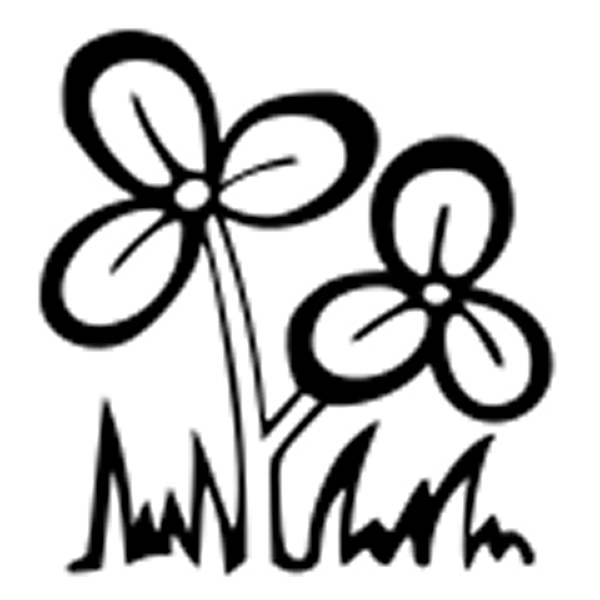
Party Flag
Loko Sanmilon
Party Symbol
--
 --
Party Headquarters

Jaleswar, District Goalpara, Assam.

Party President --

Loko Sanmilon (LKS) Flag

Loko Sanmilon has no reserved election symbol with the Election Commission of India. The party is registered unrecognised in Assam, per the Chief Electoral Officer's records. Consequently, the Loko Sanmilon election symbol is allotted from the free list during elections. In 2006, Afzalur Rahman won Jaleswar on an LKS ticket. Public sources do not confirm a single, permanent emblem for the party. ECI archives display no dedicated party mark online.

Under the Symbols Order, unrecognised parties may receive a one-time common symbol. They must field candidates in at least 10 of the assembly seats. Assam has 126 seats. Loko Sanmilon contested five seats in 2006 and two in 2011. LKS, therefore, did not qualify for a common symbol. Its candidates used free symbols, varying by constituency and year.

LKS: Symbol Allocation, Party Abbreviation, Logo Records, and Flag Status

No officially recognized Loko Sanmilon flag is documented on the ECI or the CEO Assam portals. ECI regulates symbols, not flags, and official portals focus on recognised parties. Public filings show no registered Party Logo or standard banner for LKS. The party's political identity on ballots relies on the allotted symbol each election. Voters should verify the assigned icon in official notifications before each poll.

Read More

Loko Sanmilon (LKS) Ideology

The Loko Sanmilon ideology emphasizes inclusive growth and sustainable development. The party's principles focus on equitable resource distribution, aiming to bridge socioeconomic disparities. This political philosophy prioritizes education and healthcare accessibility, reflecting its commitment to social welfare. By promoting transparency and accountability, Loko Sanmilon strives to foster trust in governance. Their party's agenda highlights environmental conservation as a key aspect of national progress.

Loko Sanmilon advocates for a decentralized governance model, empowering local communities in decision-making processes. This approach enhances public participation, ensuring that policies align with grassroots needs. Economic policies within the Loko Sanmilon principles stress support for small businesses and innovation-driven industries. They emphasize reducing bureaucratic hurdles to stimulate entrepreneurship and economic resilience.

LSM: Commitment to Social Justice

The political philosophy of Loko Sanmilon is rooted in social justice, advocating for minority rights protection. The party agenda includes measures to combat discrimination and promote gender equality across all sectors. In terms of foreign policy, Loko Sanmilon's ideology supports peaceful diplomacy and international cooperation. This approach aims to enhance India's global standing while maintaining national sovereignty.

Loko Sanmilon's governance model integrates technology to improve public service delivery and government efficiency. Digital platforms are utilized for citizen engagement and feedback collection, fostering responsive administration. Educational reforms under the Loko Sanmilon principles focus on skill development and vocational training, addressing unemployment challenges. The party's emphasis on renewable energy reflects a commitment to sustainable progress.

Read More

Loko Sanmilon (LKS) Principles

The Loko Sanmilon principles emphasize inclusivity and equal representation for all societal sectors. Central to the party's ideology is a commitment to transparency in governance. This commitment ensures accountability and fosters public trust. The party values sustainable development, aiming to balance economic growth with environmental preservation. Social justice is another cornerstone of their political beliefs, promoting policies that address inequality and empower marginalized communities.

Loko Sanmilon's governance model advocates for decentralized decision-making. This approach allows local bodies to have a significant voice in policy implementation. Education reform forms a crucial part of the party's principles, focusing on access to quality education for all children. Healthcare accessibility is also prioritized, with an emphasis on improving infrastructure and resources in rural areas.

Loko Sanmilon Ideology: Core Values and Beliefs

The party values integrity and ethical conduct among its members, emphasizing corruption-free administration. Economic policies focus on job creation through support for small businesses and entrepreneurship. Agricultural advancement is promoted by supporting modern techniques and ensuring fair market prices for farmers. Cultural diversity is celebrated, recognizing its role in strengthening national identity.

Technological innovation is encouraged within Loko Sanmilon's political beliefs as a driver of economic progress. The party also emphasizes international cooperation, seeking to strengthen diplomatic ties while maintaining national sovereignty. Women's empowerment remains a priority, with initiatives aimed at increasing female participation in politics and leadership roles.

Read More
Loko Sanmilon (LKS) Organisation Structure

The organizational structure of Loko Sanmilon is designed to ensure efficient decision-making and governance. The party's core leadership operates through a centralized body, which oversees various operational units. This governing body is responsible for strategic planning and policy formulation.

Loko Sanmilon's hierarchy includes several key positions that facilitate smooth functioning. The party chairperson heads the central committee, supported by vice-chairpersons and a general secretary. This top-tier leadership ensures alignment with the party's goals and objectives.

Leadership Framework of LSM

The Loko Sanmilon leadership framework is pivotal in maintaining internal coherence and direction. The executive council, comprising senior leaders, plays a crucial role in policy development. This council coordinates with regional units to implement national strategies effectively.

Each regional unit within Loko Sanmilon is led by a regional coordinator. These coordinators report directly to the central committee, ensuring alignment with the party’s overarching vision. This structure enhances communication across different levels of the organization.

Decision-Making Process within LSM

The decision-making process at Loko Sanmilon is structured to be inclusive yet efficient. Major decisions are proposed by the executive council and require approval from the central committee. This approach ensures a balanced representation of diverse opinions.

Regional coordinators have autonomy to address local issues but must adhere to national guidelines set by the central committee. Such autonomy allows for tailored solutions while maintaining consistency with the party’s broader objectives.

Governing Body of LSM

The governing body of Loko Sanmilon comprises multiple sub-committees focused on specific areas such as finance, policy research, and public relations. These sub-committees operate under the supervision of the central committee, facilitating specialized expertise within each domain.

RoleDescription
ChairpersonLeads the central committee; sets strategic direction for party.
Vice-ChairpersonAssists chairperson; oversees specific portfolios.
General SecretaryCoordinates activities; ensures implementation of policies.
Regional CoordinatorLeads regional units; reports to the central committee.
Executive Council MemberParticipates in policy development; advises leadership.

Party Hierarchy in LSM

The hierarchy within Loko Sanmilon ensures clarity in roles and responsibilities. At its base are local committees, which handle grassroots mobilization and community engagement. These committees provide feedback to regional coordinators about local concerns.

This bottom-up approach enables effective communication flow from grassroots levels up to national leadership. It strengthens community ties and ensures that local voices influence national policies where applicable.

Political Framework of LSM

The political framework guiding Loko Sanmilon emphasizes inclusivity and democratic principles. Regular assemblies are held where members can voice concerns or propose initiatives. These assemblies ensure that all voices contribute to shaping party policies effectively.

Loko Sanmilon prioritizes transparency in its operations through publicly accessible reports on decision-making processes and financial audits. This transparency helps build trust among supporters and stakeholders alike, reinforcing its commitment to accountable governance.

The structured approach adopted by Loko Sanmilon illustrates its focus on organized growth and sustainable political influence across India’s diverse political landscape. By balancing centralized authority with regional autonomy, it fosters an adaptable yet unified organizational model suitable for contemporary challenges in Indian politics.

Read More

Loko Sanmilon (LKS) Timeline

2026

As of 2026, the party is regarded as a minor regional political organisation in Assam, with limited influence in state-level politics.

2014

The party achieved a major victory in regional elections, securing a majority in key areas.

2010

Loko Sanmilon remained a small regional political group, continuing political mobilisation on local issues but without major electoral success.

2006

The party again took part in the Assam Legislative Assembly election, 2006, fielding candidates in selected constituencies.

2001

The party participated in the Assam Legislative Assembly election, 2001, marking its early involvement in electoral politics.

1998

Loko Sanmilon was established in Assam as a regional political organisation focused on representing local and indigenous community interests in the state.

Disclaimer:The information provided on this page is sourced from various publicly available platforms including https://en.wikipedia.org/, https://sansad.in/ls, https://sansad.in/rs, https://pib.gov.in/, https://affidavit.eci.gov.in/ and the official websites of state assemblies respectively. While we make every effort to maintain the accuracy, comprehensiveness and timeliness of the information provided, we cannot guarantee the absolute accuracy or reliability of the content. The data presented here has been compiled without consideration of the objectives or opinions of individuals who may access it.

Notifications
Settings
Clear Notifications
Notifications
Use the toggle to switch on notifications
  • Block for 8 hours
  • Block for 12 hours
  • Block for 24 hours
  • Don't block
Gender
Select your Gender
  • Male
  • Female
  • Others
Age
Select your Age Range
  • Under 18
  • 18 to 25
  • 26 to 35
  • 36 to 45
  • 45 to 55
  • 55+