


History
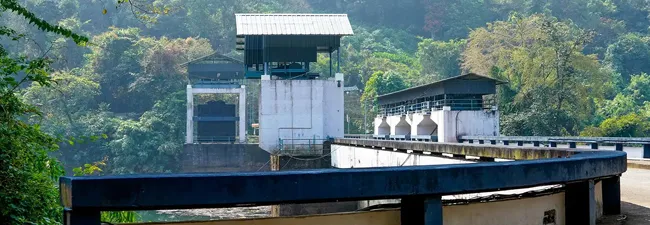
The Kakki Dam is situated in the Pathanamthitta district of Kerala, India. It is located on the Kakki River, a tributary of the Pamba River. The dam is nestled amidst the picturesque Western Ghats and is surrounded by dense forests.
Purpose:
The Kakki Dam serves multiple purposes, including:
Hydroelectric Power Generation: One of the primary functions of the dam is to generate electricity. The flowing water from the Kakki River is utilized to turn turbines in the powerhouse, producing electrical energy.
Water Storage: The reservoir created by the Kakki Dam serves as a water storage facility. It helps in regulating water flow, especially during the dry season, and provides water for irrigation, domestic use, and industrial purposes downstream.
Flood Control: The dam also plays a role in flood control by regulating the flow of water during periods of heavy rainfall, thereby reducing the risk of downstream flooding.
Construction and Structure:
The construction of the Kakki Dam began in the 1960s as part of the Sabarigiri Hydroelectric Project. It was completed in the early 1970s. The dam is a concrete gravity dam, characterized by its massive concrete structure that relies on its weight to resist the pressure of water. It has a height of approximately 42 meters (138 feet) and a length of about 345 meters (1,132 feet).
Reservoir:
The Kakki Dam forms the Kakki Reservoir, also known as Kakki Lake. The reservoir extends upstream from the dam site, encompassing a considerable area. It has a storage capacity of millions of cubic meters of water, depending on the water level and seasonal variations.
Tourism:
The scenic beauty of the Kakki Dam and its surrounding forests attracts tourists and nature enthusiasts. Visitors can enjoy activities such as boating on the reservoir, trekking in the nearby hills, and wildlife spotting.
The area is known for its biodiversity, with various species of flora and fauna.
Management and Safety:
The management of the Kakki Dam falls under the jurisdiction of the Kerala State Electricity Board (KSEB) and other relevant government agencies. Regular inspections, maintenance, and monitoring are conducted to ensure the structural integrity and safety of the dam. Water levels and releases are regulated based on various factors, including rainfall, inflow, and downstream requirements.
Environmental Impact:
The construction and operation of the Kakki Dam have had both positive and negative environmental impacts. While it has facilitated electricity generation and water supply, it has also led to changes in local ecosystems, river flow patterns, and wildlife habitats. Efforts are made to minimize these impacts through environmental conservation measures and sustainable management practices.













 Click it and Unblock the Notifications
 Sign in with Google