


History
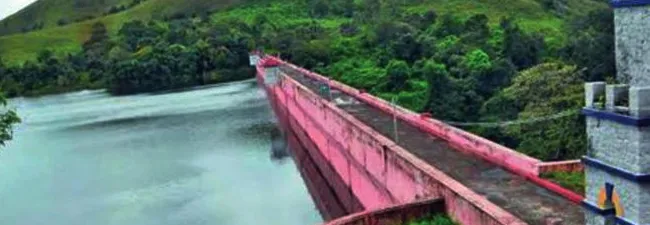
Nestled amidst the lush hills of Idukki district in Kerala, India, stands the Periyar Dam, also known as the Mullaperiyar Dam. This dam, built on the Mullayar River, a tributary of the Periyar River, has a complex history interwoven with issues of water sharing, resource management, and inter-state relations. Unravel the story of the Periyar Dam, its purpose, and the controversies that have surrounded it for over a century.A Colonial Legacy: Built for Tamil Nadu's Needs (1887-1895)
The story of the Periyar Dam unfolds in the late 19th century during British rule in India. The regions of Madras Presidency (now Tamil Nadu) faced challenges due to water scarcity. To address this, the British conceived an ambitious project to divert water eastward from the Periyar River basin in Kerala to irrigate lands in Tamil Nadu. Construction of the dam, undertaken by the British Corps of Royal Engineers, began in 1887 and was completed in 1895. The dam's creation resulted in the Periyar Lake, a vast reservoir that became a part of the later-established Periyar Tiger Reserve.
An Engineering Marvel of its Time
The Periyar Dam is a testament to 19th-century engineering prowess. A gravity dam, it relies on its own weight and the downward force of gravity to withstand the pressure of the water it holds. Built with masonry construction techniques, the dam stands 53.6 meters tall and stretches 365.7 meters in length, a remarkable feat for its time.
Beyond Irrigation: A Multifaceted Dam
While irrigation remains the dam's primary purpose, its significance extends further:
Irrigation Lifeline: The Periyar Dam diverts water eastward through a tunnel into Tamil Nadu, providing a vital source of irrigation for agricultural lands in several districts. This has transformed the region, enabling multi-seasonal cultivation and contributing to food security.
Hydropower Generation: Since 1970, a hydroelectric power station located downstream from the dam has harnessed the water flow to generate electricity, contributing to the energy needs of the region.
A Dam Mired in Controversy: Water Sharing and Safety Concerns
Despite its utility, the Periyar Dam has been a source of contention between Kerala and Tamil Nadu for decades. The core issues revolve around:
Water Sharing Rights: The agreement between the two states regarding water sharing from the Periyar Lake has been a point of dispute. Kerala argues that Tamil Nadu receives a disproportionate share of the water, impacting their own water security.
Dam Safety Concerns: The dam's age and the risk of potential earthquakes in the region have raised concerns about its structural integrity. Kerala has expressed apprehension regarding dam safety, fearing a catastrophic breach could devastate downstream areas.
Seeking an Amicable Resolution: A Balancing Act
The Periyar Dam story highlights the complexities of water resource management, particularly between states. Finding an amicable resolution requires a multi-pronged approach:
Inter-state Cooperation: Open communication and a willingness to find a fair water-sharing agreement that considers the needs of both Kerala and Tamil Nadu are crucial.
Dam Safety Assessments: Conducting thorough and transparent dam safety assessments, involving experts from both states, can help address safety concerns and build trust.
Sustainable Water Management Practices: Exploring alternative water management strategies like rainwater harvesting and water conservation measures can help reduce dependence on the dam and promote long-term sustainability.
The Periyar Dam serves as a reminder of the challenges and opportunities associated with large water infrastructure projects. By fostering collaboration, prioritizing safety, and embracing sustainable practices, stakeholders can ensure the dam continues to fulfill its purpose while minimizing environmental and social risks.












 Click it and Unblock the Notifications
 Sign in with Google