


History
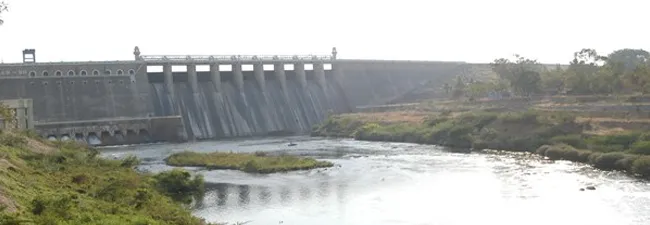
The Bhavanisagar Dam, also known as the Lower Bhavani Dam, stands as a majestic sentinel in the Erode district of Tamil Nadu. More than just a dam, it's a symbol of human ingenuity, agricultural prosperity, and a cornerstone of the region's water security. Let's embark on a journey to explore the history, purpose, and significance of this remarkable structure.
A Legacy Etched in Stone: A Look Back in Time (1948-1955)
The story of Bhavanisagar Dam unfolds in the mid-20th century. Built between 1948 and 1955, during India's first five-year plan, the dam's construction aimed to address a critical challenge – water scarcity. This ambitious project, spearheaded by the visionary leadership of Kamaraj, then Chief Minister of Tamil Nadu, aimed to transform the region's agricultural landscape.
A Multifaceted Marvel: Beyond Irrigation
Irrigation Lifeline: The dam's primary function is to provide irrigation for vast swathes of agricultural land in the Erode and Tiruppur districts. This has revolutionized agriculture, allowing farmers to cultivate crops throughout the year and ensuring food security for the region. The Lower Bhavani Project Canal, fed by the dam, plays a vital role in distributing water to agricultural fields.
Hydroelectric Power: The dam harnesses the power of water to generate electricity, contributing to the region's energy needs. This demonstrates the dam's multifaceted role in resource management.
Flood Control: The Bhavanisagar Dam plays a crucial role in regulating the flow of the Bhavani River, mitigating the risk of floods during heavy monsoons. This protects lives, property, and agricultural land from potential devastation.
Earthen Grandeur: A Dam Unlike Any Other
The Bhavanisagar Dam holds a unique distinction: it's one of the world's largest earthen dams. This impressive feat of engineering showcases human ingenuity and the ability to utilize local resources effectively. However, the exact length of the dam is debated, with some sources referencing 8,780 meters and others mentioning a total length exceeding 9 kilometers.
Beyond Functionality: A Hidden Gem
The Bhavanisagar Dam offers more than just a glimpse into engineering marvel. Here are some additional points of interest:
A Historical Treasure: The submerged remnants of the Thanayakkan Kottai, a 13th-century fort, lie beneath the dam's reservoir. During dry seasons, when water levels recede, glimpses of this historical structure emerge, offering a window into the region's past.
A Potential Tourist Destination: While public access to the dam structure itself might be restricted, the surrounding areas offer opportunities for leisure and tourism. Visitors can enjoy the scenic beauty of the dam and its reservoir, explore nearby parks, or have a picnic lunch in the designated areas.
Birdwatching Haven: The backwaters of the Bhavanisagar Dam attract a diverse range of bird species, making it a haven for birdwatchers and nature enthusiasts.
Challenges and Looking Ahead
The Bhavanisagar Dam faces challenges in the present day. Climate change and fluctuating rainfall patterns threaten water security. Ensuring sustainable water management practices and promoting water conservation are crucial for the dam's long-term sustainability.
The Bhavanisagar Dam: A Legacy that Endures
The Bhavanisagar Dam stands as a testament to human foresight, engineering marvel, and its unwavering commitment to progress. It has transformed the region, ensuring agricultural prosperity, flood control, and contributing to energy needs. By adopting sustainable practices and addressing environmental concerns, we can ensure that the Bhavanisagar Dam continues to serve its purpose for generations to come.












 Click it and Unblock the Notifications
 Sign in with Google