


History
Amidst the picturesque hills of Krishnagiri, Tamil Nadu, lies the Krishnagiri Dam, a silent sentinel safeguarding the water security of the region. Built across the Pennai River, a tributary of the mighty Palar River, the dam stands as a testament to human foresight and its commitment to agricultural prosperity. Delve into the dam's history, its multifaceted roles, and its significance for the state of Tamil Nadu.
A Dam Rooted in History: Addressing Aridity (1956-1969)
The story of the Krishnagiri Dam unfolds in the mid-20th century. Prior to its construction, the regions of Krishnagiri, Dharmapuri, and Tiruvannamalai districts faced challenges due to insufficient and erratic rainfall. This water scarcity threatened agricultural output and the livelihoods of countless farmers. Recognizing this need for water security, the Madras State government (now Tamil Nadu) embarked on the ambitious project of constructing the Krishnagiri Dam in 1956. Construction spanned over a decade, finally being completed in 1969. The dam's inauguration marked a significant milestone in the state's water management endeavors.
An Engineering Marvel: A Blend of Strength and Functionality
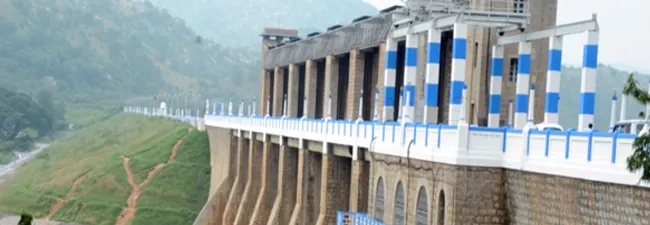
The Krishnagiri Dam is an impressive feat of engineering, showcasing a unique combination of construction techniques. The core structure is a masonry dam with a central spillway designed to manage excess water flow during monsoons. Earthen embankments flank the central dam on either side, adding stability and maximizing water storage capacity. The total length of the dam is a remarkable 3,048 meters, with a maximum height of 49 meters. This imposing structure not only serves its utilitarian purposes but also adds a touch of grandeur to the surrounding landscape.
Beyond Irrigation: A Multifaceted Gem
The significance of the Krishnagiri Dam extends far beyond irrigation, playing a vital role in the state's development. Here's a glimpse into its diverse functionalities:
Irrigation Lifeline: The dam's expansive reservoir provides a reliable source of water for irrigation canals, nourishing agricultural lands in Krishnagiri, Dharmapuri, and Tiruvannamalai districts.
This has transformed the region, enabling cultivation throughout the year and ensuring food security for the state.
Drinking Water Supply: The Krishnagiri Dam also plays a crucial role in fulfilling the drinking water needs of the Krishnagiri town and surrounding areas. This ensures access to clean drinking water for a significant population.
Hydropower Potential: The dam has the potential to generate hydroelectric power, although there's no current power station established here. Exploring this possibility in the future could contribute to the region's energy needs.
A Haven for Nature: Fostering Ecological Balance
The Krishnagiri Dam plays a role in maintaining the ecological balance of the region. The creation of the reservoir has resulted in a habitat for diverse flora and fauna. The dam also regulates the flow of the Pennai River, preventing floods and soil erosion downstream. However, maintaining this ecological balance requires careful management practices like preventing deforestation and promoting sustainable agricultural techniques.













 Click it and Unblock the Notifications
 Sign in with Google