


History
Nestled amidst the rolling hills of the Gundal Basin in Tamil Nadu, India, lies the Sathanur Dam. This dam, built across the Aiyur River, a tributary of the Palar River, stands as a testament to human ingenuity and its unwavering commitment to agricultural prosperity. Delve into the Sathanur Dam's rich past, its multifaceted functionalities, and its enduring significance for the region.A Dam Steeped in Tradition: A Legacy of Resilience (1956-1964)
The story of the Sathanur Dam unfolds in the mid-20th century. Prior to its construction, the regions of North Arcot and South Arcot districts (now Tiruvannamalai and Ranipet districts) faced challenges due to insufficient and erratic rainfall patterns. This water scarcity significantly impacted agricultural output, jeopardizing the livelihoods of countless farmers. Recognizing this need for water security, the then-Madras State government (now Tamil Nadu) embarked on the construction of the Sathanur Dam project in 1956. Construction progressed steadily, with the dam's inauguration in 1964 marking a pivotal moment for the region's agricultural development.
A Stone Testament to Perseverance
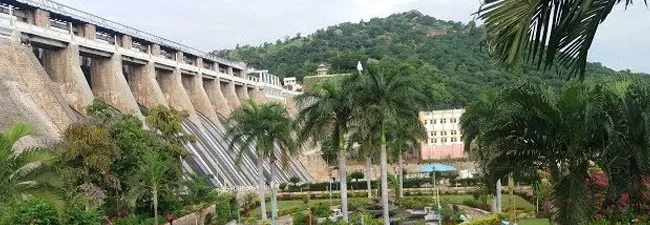
The Sathanur Dam showcases a unique blend of tradition and functionality. The core structure is a masonry dam, a technique reflecting the era's construction methods. The dam features a central spillway designed to manage excess water flow during monsoons. While not as visually imposing as some modern concrete dams, the Sathanur Dam stands as a symbol of resilience, a testament to the dedication and hard work of those who built it. With a total length of 1,020 meters and a maximum height of 40.9 meters, the dam remains a significant structure in the landscape.
Beyond Irrigation: A Multifaceted Gem
While irrigation remains the dam's primary purpose, its significance extends far beyond:
Irrigation Lifeline: The dam's expansive reservoir serves as a reliable source of water for irrigation canals, nourishing agricultural lands in Tiruvannamalai and Ranipet districts.
This has transformed the region, enabling multi-seasonal cultivation and ensuring food security for the state.
Flood Control: The Sathanur Dam plays a crucial role in flood control by regulating the flow of the Aiyur River during heavy monsoons. This helps to safeguard downstream communities from potential flooding and associated devastation.
A Haven for Nature: Fostering Ecological Balance
The Sathanur Dam plays a role in maintaining the ecological balance of the region. The creation of the reservoir has resulted in a habitat for diverse flora and fauna. The dam also regulates the flow of the Aiyur River, helping to prevent soil erosion downstream. However, maintaining this ecological balance requires careful management practices like preventing deforestation in the catchment area and promoting sustainable agricultural techniques.
Challenges and Looking Ahead: Embracing Sustainability
The Sathanur Dam, like many vital water structures, faces contemporary challenges. Siltation from soil erosion upstream can reduce the dam's water storage capacity, impacting its ability to fulfill its designated roles. Furthermore, ensuring a balance between irrigation needs, flood control measures, and ecological preservation necessitates careful water management strategies for long-term sustainability.
A Legacy that Endures: A Beacon of Hope for the Future
The Sathanur Dam stands as a symbol of Tamil Nadu's commitment to progress and development. It has transformed the agricultural landscape, mitigated flood risks, and serves as a potential source of future hydropower generation. By adopting sustainable practices like soil conservation and promoting water conservation awareness, the Sathanur Dam can continue to serve its purpose for generations to come. The dam's story serves as an inspiration for future water management projects, highlighting the importance of a holistic approach that considers human needs alongside environmental well-being.













 Click it and Unblock the Notifications
 Sign in with Google