


History
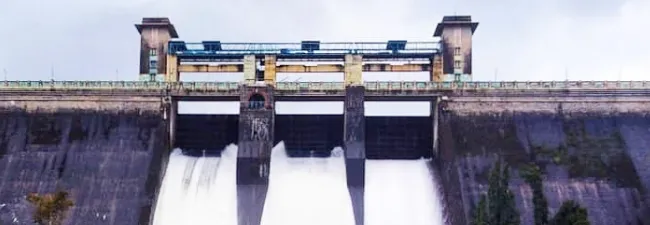
Nestled amidst the verdant hills of the Western Ghats in Kerala, the Parambikulam Dam stands as a symbol of human collaboration and environmental responsibility. Built across the Parambikulam River, a tributary of the Bharathapuzha River, this dam plays a crucial role in the water security of both Kerala and Tamil Nadu. Delve into the rich history of the Parambikulam Dam, its multifaceted functionalities, and its significance for the region.
A Dam Rooted in Collaboration (1958-1969)
The story of the Parambikulam Dam unfolds in the mid-20th century. Prior to its construction, both Kerala and Tamil Nadu faced challenges due to erratic rainfall patterns. This unpredictability threatened agricultural output in the Palakkad district of Kerala and surrounding regions in Tamil Nadu. Recognizing the need for a joint solution, the then-Madras State (now Tamil Nadu) and the state of Kerala entered into an agreement in 1958 for the construction of the Parambikulam-Aliyar Project, with the Parambikulam Dam being a central component. Construction began in 1958 and was completed in 1969, marking a significant milestone in inter-state water resource management in India.
Parambikulam Dam - A Technological Marvel of Its Time
The Parambikulam Dam is a remarkable feat of engineering, showcasing an impressive embankment dam design. The core structure is a massive earthfill dam, the largest such dam in India at the time of its construction. A central spillway ensures the safe release of excess water during monsoons. While not as visually striking as some concrete dams, the Parambikulam Dam's design prioritizes functionality and maximizes water storage capacity. With a length of 1,830 meters and a maximum height of 77 meters, the dam remains an impressive structure.
Beyond Irrigation: A Multifaceted Gem
The significance of the Parambikulam Dam extends far beyond irrigation, serving both Kerala and Tamil Nadu in diverse ways:
Irrigation Lifeline: The dam's expansive reservoir provides a reliable source of water for irrigation canals, nourishing agricultural lands in Palakkad district (Kerala) and surrounding areas in Tamil Nadu.
This has transformed the region, enabling multi-seasonal cultivation and boosting agricultural productivity.
Hydropower Generation: A hydroelectric power station situated downstream from the dam harnesses the water's power to generate electricity, contributing to the region's energy needs.
Environmental Balance: The Parambikulam Dam plays a crucial role in maintaining the ecological balance of the Western Ghats. The creation of the reservoir has resulted in a rich habitat for diverse flora and fauna, including several endangered species. The Parambikulam Wildlife Sanctuary, situated around the reservoir, is a testament to this ecological wealth.
A Shared Responsibility: Balancing Needs and Challenges
The Parambikulam Dam project represents a successful example of inter-state collaboration for water resource management. However, it also faces ongoing challenges:
Balancing Water Sharing: The agreement between Kerala and Tamil Nadu regarding water sharing from the reservoir has been a point of contention at times. Ensuring a fair and sustainable water distribution plan is crucial for the long-term viability of the project.
Siltation and Sustainability: Soil erosion upstream can reduce the dam's water storage capacity, impacting its ability to fulfill its designated roles. Implementing effective soil conservation practices in the catchment area is essential for long-term sustainability.
Environmental Stewardship: Maintaining the ecological health of the Parambikulam Wildlife Sanctuary alongside utilizing the dam's benefits requires responsible management strategies like preventing deforestation and promoting eco-tourism practices.













 Click it and Unblock the Notifications
 Sign in with Google