


History
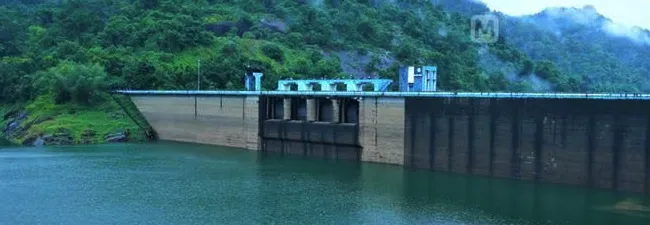
The Idamalayar Dam is located in the Indian state of Kerala, specifically in the Idukki district. It is situated on the Idamalayar River, a tributary of the Periyar River, and is nestled amidst the scenic Western Ghats mountain range. The dam site is approximately 43 kilometers away from the town of Munnar.
Purpose:
The primary purposes of the Idamalayar Dam include:
Hydroelectric Power Generation: One of the significant functions of the dam is to harness the water flow of the Idamalayar River for generating electricity. The dam's powerhouse contains turbines that convert the energy of flowing water into electrical energy.
Irrigation: The stored water in the reservoir behind the dam is also utilized for agricultural irrigation purposes, benefiting the surrounding areas by providing water for crops.
Water Supply: The dam serves as a source of drinking water for nearby communities and industries.
Construction and Structure:
The construction of the Idamalayar Dam began in the late 1970s and was completed in 1985. It is a concrete gravity dam, which means its primary force-resisting structure is its own weight. The dam has a height of approximately 169 meters (554 feet) and a length of about 373 meters (1,224 feet) at its crest.
Reservoir:
The dam forms a reservoir, known as the Idamalayar Reservoir or Idamalayar Lake, which extends upstream for several kilometers. The reservoir has a storage capacity of millions of cubic meters of water, depending on the water level and seasonal variations.
Environmental Impact:
The construction and operation of the Idamalayar Dam have had both positive and negative environmental impacts:
Positive Impacts: The dam has contributed to hydroelectric power generation, which is a renewable energy source, reducing reliance on fossil fuels. It has also provided irrigation water for agriculture, thereby supporting local livelihoods.
Negative Impacts: Like many large dams, the Idamalayar Dam has caused environmental disruptions.
These include alterations to river flow patterns, changes in sediment transport, and impacts on aquatic habitats and biodiversity. The reservoir may also have submerged forests and other land areas.
Tourism:
The scenic beauty of the Idamalayar Dam and its surroundings attracts tourists. Visitors can enjoy activities such as boating on the reservoir, sightseeing, and nature walks in the lush Western Ghats landscape. However, access to certain areas may be restricted for safety or conservation reasons.
Management and Safety
The management of the Idamalayar Dam falls under the jurisdiction of the Kerala State Electricity Board (KSEB) and other relevant government agencies. Regular inspections, maintenance, and monitoring are conducted to ensure the structural integrity and safety of the dam. Water levels and releases are regulated based on various factors, including rainfall, inflow, and downstream requirements.













 Click it and Unblock the Notifications
 Sign in with Google