


History
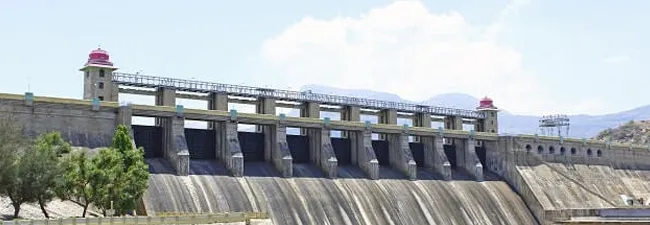
Standing tall amidst the verdant landscape of Tamil Nadu, the Amaravathi Dam serves as a vital lifeline for the region. More than just a concrete structure, it's a testament to human ingenuity and a cornerstone of agricultural prosperity. Let's delve deeper into the history, purpose, and significance of this remarkable dam.
A Dam Steeped in History (1957):
The story of the Amaravathi Dam begins in 1957. Built across the mighty Amaravathi River, a tributary of the Cauvery, the dam's construction aimed to address a pressing need – to combat water scarcity and ensure sustainable irrigation for the fertile plains of Tiruppur and Karur districts.
The Amaravathi Dam serves a multitude of purposes:
Irrigation: The dam's primary function is to provide irrigation for agricultural lands in the surrounding districts. This has transformed the region, enabling cultivation of crops throughout the year and boosting agricultural productivity.
Flood Control: The dam plays a crucial role in regulating the flow of the Amaravathi River, mitigating the risk of floods during heavy monsoon seasons. This protects lives, property, and agricultural land from potential devastation.
Hydroelectricity: In recent years, a hydroelectric power station has been installed near the dam, contributing to the region's energy needs. This demonstrates the dam's evolving role in resource management.
Beyond Functionality: A Land of Beauty and Intrigue
The Amaravathi Dam is more than just a utilitarian structure. Here are some additional points of interest:
A Picturesque Location: The dam is nestled within the Indira Gandhi Wildlife Sanctuary, offering stunning natural beauty. The surrounding hills and the vast expanse of the reservoir create a captivating landscape.
Home to Mugger Crocodiles: The dam's reservoir is home to a significant population of mugger crocodiles, adding to the ecological significance of the area.
A Potential Tourist Destination: While public access to the dam structure itself might be restricted, the surrounding areas offer opportunities for leisure and tourism.
Visitors can enjoy scenic views, boating on the reservoir, or explore nearby parks.
Challenges and the Road Ahead
The Amaravathi Dam faces challenges in the present day. Siltation has reduced the dam's water storage capacity, highlighting the need for sustainable water management practices. Furthermore, pollution of the Amaravathi River threatens the ecosystem and water quality. Addressing these issues is crucial for the dam's long-term sustainability.
The Amaravathi Dam: A Beacon of Progress
The Amaravathi Dam stands as a symbol of human foresight and engineering marvel. It has transformed the region, ensuring agricultural prosperity, flood control, and contributing to energy needs. By adopting sustainable practices and addressing environmental concerns, we can ensure that the Amaravathi Dam continues to serve its purpose for generations to come.













 Click it and Unblock the Notifications
 Sign in with Google