


History
Nestled amidst the lush greenery of the Western Ghats in Kerala, India, lies the Sholayar Dam, a colossus of concrete that harnesses the power of water. Built across the Chalakkudy River, a significant tributary of the Periyar River, the Sholayar Dam stands as a testament to Kerala's commitment to clean energy generation. Dive into the dam's intriguing past, its role in power generation, and its significance for the state's energy security.
A Dam Birthed from Vision: A Quest for Clean Energy (1960-1964)
The story of the Sholayar Dam unfolds in the mid-20th century. With growing industries and a rising population, Kerala faced a challenge in meeting its ever-increasing energy demands. Relying solely on thermal power plants posed environmental concerns and fuel security risks. Recognizing the need for a sustainable and reliable source of energy, the Kerala State Electricity Board (KSEB) embarked on the ambitious project of constructing a major hydroelectric dam. Construction of the Sholayar Dam began in 1960, and after four years of dedicated work, it was inaugurated in 1964, marking a significant milestone in Kerala's journey towards clean energy.
A Marvel of Modern Engineering
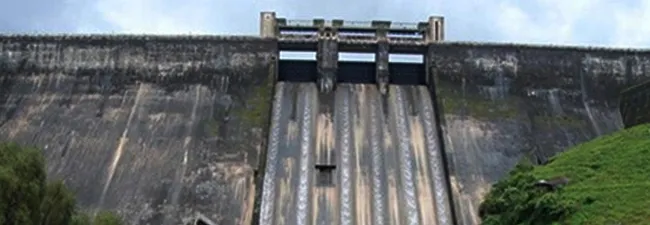
The Sholayar Dam is a marvel of modern engineering, showcasing a blend of functionality and stability. A concrete gravity dam, it relies on its own weight and the downward force of gravity to withstand the immense pressure of the reservoir water. The dam's imposing structure features a central spillway designed to manage excess water flow during monsoons. With a length of 823 meters and a maximum height of 99.6 meters, the Sholayar Dam remains an impressive feat of engineering, standing tall amidst the scenic Western Ghats.
Powering the State: A Clean Energy Champion
The Sholayar Dam's primary purpose is to generate hydroelectric power. Water from the dam's reservoir is channeled through tunnels to a powerhouse situated downstream. Here, the force of the falling water drives turbines, generating clean and renewable electricity. The Sholayar Power Station, with an installed capacity of 480 Megawatts (MW), is one of the largest hydroelectric power stations in Kerala. The dam's contribution to the state's power grid is significant, helping to reduce dependence on fossil fuels and promoting environmental sustainability.
Beyond Power Generation: A Multifaceted Gem
While power generation remains the dam's core function, it offers additional benefits:
Irrigation: The dam's reservoir serves as a source of supplemental water for irrigation in nearby agricultural lands during dry seasons.
Tourism: The scenic beauty surrounding the dam and reservoir attracts tourists, offering opportunities for recreational activities like boating (regulations permitting).
Balancing Needs: Environmental Responsibility and Sustainability
The Sholayar Dam project plays a role in maintaining the ecological balance of the Western Ghats. However, responsible management practices are crucial:
Catchment Area Protection: Deforestation and soil erosion in the catchment area can impact water inflow and dam operations. Sustainable forestry practices and soil conservation efforts are essential.
Maintaining Water Flow: Balancing the needs of power generation with maintaining minimum water flow in the Chalakkudy River is crucial for the downstream ecosystem.
A Legacy Enduring: Powering the Future
The Sholayar Dam stands as a symbol of Kerala's commitment to clean energy and environmental responsibility. It has played a pivotal role in meeting the state's power demands while offering additional benefits. By prioritizing sustainable practices and maintaining a healthy ecosystem, the Sholayar Dam can continue to serve Kerala for generations to come. The dam's story serves as an inspiration for future renewable energy projects, highlighting the importance of harnessing nature's power responsibly.













 Click it and Unblock the Notifications
 Sign in with Google