


History
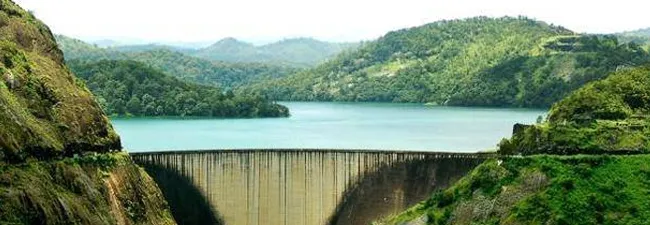
The Idukki Dam, nestled amidst the lush green hills of Kerala, India, stands tall as a testament to human ingenuity. This colossal arch dam, one of the highest in Asia, isn't just a marvel of modern engineering; it's woven into the very fabric of Kerala's history. Let's delve into the fascinating story behind this iconic structure.
From Vision to Reality: A Long-Held Dream
The idea of harnessing the Periyar River's power for electricity generation first surfaced in 1919. However, the project's scale and the challenges of the terrain posed significant hurdles. It wasn't until the 1940s that detailed investigations began, paving the way for construction in 1963.
An Indo-Canadian Collaboration
The Idukki Dam project was a collaborative effort between India and Canada. Canadian long-term loans and grants provided crucial financial support, while Indian engineers tackled the complex task of construction. The project's completion in 1976 marked a significant milestone for Kerala's infrastructure development.
Beyond Power Generation: The Idukki Dam's Multifaceted Role
The Idukki Dam's primary purpose is hydroelectric power generation, supplying a substantial portion of Kerala's electricity needs. However, its impact extends far beyond. The dam regulates water flow in the Periyar River, preventing floods and ensuring a steady water supply for irrigation. Additionally, the Idukki reservoir has become a popular tourist destination, attracting visitors with its breathtaking beauty.
A Legacy of Progress: The Idukki Dam's Enduring Impact
Today, the Idukki Dam stands as a symbol of Kerala's progress and innovation. Its contribution to the state's power generation, irrigation, and tourism industries is undeniable. As Kerala continues to develop, the Idukki Dam remains a vital resource, ensuring a brighter future for generations to come.













 Click it and Unblock the Notifications
 Sign in with Google