


Fukushima begins dumping low radioactivity water into sea


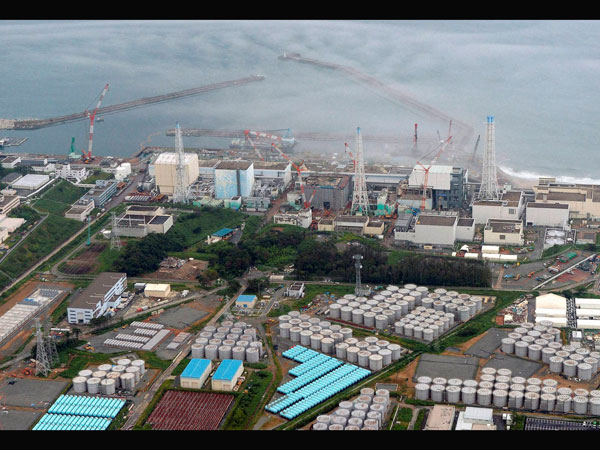
This is the method it plans to start using to reduce the alarming accumulation of contaminated liquid in the plant.
Tokyo Electric Power Company (TEPCO) revealed that around 560,000 litres of water was emptied Wednesday.
The electricity company and the Japanese government published the content of radioactive isotopes detected in the analyses done by three different laboratories - one of TEPCO, another of the Japan Atomic Energy Agency and a third independent one.
All three analyses revealed levels below the limit determined by TEPCO in order to dump the water, which is 60 and 90 times stricter than the one determined by Japanese law.
Both the company and the government will be publishing these levels regularly during the operations.
After months of intense negotiations, Fukushima's fishermen associations have finally accepted the decision to discharge the water into the sea if contamination levels are below the specified limits.
This operation, the so-called "groundwater bypass", is one of the measures to reduce the volume of liquid from natural water bodies that penetrate and regularly flood the basements of the reactors affected by the earthquake and tsunami of March 11, 2011.
This water gets contaminated after coming into contact with the coolant from the damaged reactors.
Part of this water ends up in the water in front of the station through sewers and other drains.
It is estimated that a total of around 300,000 litres finds its way into the Pacific Ocean everyday.
The "bypass" consists of pumping this water from wells located in the hills next to the reactors and then diverting it, provided that its toxicity is low, directly to the plant's dock.
This prevents the water from passing through the buildings and getting more contaminated.
The accumulation of water is one of the main challenges in dismantling the plant, an operation that is believed could take three or four decades.
TEPCO stores the water that cools the reactors as well as the one it manages to pump from the basements, in thousands of tanks that are situated throughout the station.
Nonetheless, both the plant operator and Japan's Nuclear Regulation Authority (NRA) consider this system to be more dangerous than the controlled discharge of the water into the sea.
IANS



 Click it and Unblock the Notifications
 Sign in with Google