


1,000th Day Of The Russia-Ukraine War: Putin's New Nuclear Doctrine - A Bold Shift?


On November 19, 2024, the 1,000th day of Russia's invasion of Ukraine, President Vladimir Putin took a bold step by signing a decree that significantly broadens the conditions under which Russia may use nuclear weapons. This development is a direct response to both the intensifying conflict in Ukraine and the increasing military support Kyiv is receiving from Western powers, particularly the United States.
Key Changes in Russia's Nuclear Doctrine

The newly updated doctrine outlines specific scenarios where Moscow could consider deploying nuclear weapons. Notably, it now includes a provision stating that Russia would consider the use of nuclear weapons if a non-nuclear state, like Ukraine, is involved in a conflict alongside nuclear powers, such as the United States or NATO countries. Kremlin spokesperson Dmitry Peskov made it clear that such an alliance would be perceived as a "joint attack" on Russia, thereby justifying a nuclear response.
Recommended Video
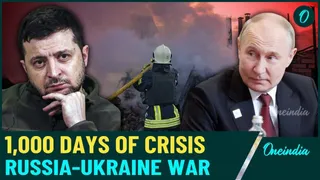
This change in the doctrine reflects Russia's evolving stance on its security and military strategy. The shift aligns with Putin's broader narrative of framing Russia's military actions as a defensive response to the perceived threat from the West, especially after the U.S. gave Kyiv the green light to deploy long-range missiles aimed at Russian military positions. Moscow views this as a provocation that could escalate the conflict further.
Nuclear Weapons as a Deterrent: Putin's Long-standing Position
Since the early stages of the Ukraine war, Putin has consistently warned of the potential use of nuclear weapons. Russia has always viewed nuclear arms as a critical tool of deterrence. However, the latest expansion of the doctrine indicates a more aggressive posture: nuclear weapons would be employed not only as a response to direct nuclear threats but also in reaction to "massive" airstrikes, even if they involve conventional weapons rather than nuclear ones.
The specific mention of "massive" air attacks could be seen as a warning to the West, signaling that any form of significant military escalation, including the use of advanced weaponry, could trigger a nuclear response from Russia. This broadening of conditions under which nuclear weapons might be used underscores the high stakes of the ongoing conflict, where the threat of nuclear escalation looms large.
Nuclear Umbrella Extended to Belarus
In addition to outlining when nuclear weapons might be used, the updated doctrine also extends Russia's nuclear protection to Belarus, a close ally. This means that Belarusian territory could be covered under Russia's nuclear umbrella, offering further deterrence against any perceived threats from the West. The extension of Russia's nuclear doctrine to Belarus emphasizes the strengthening of ties between the two countries in the face of rising tensions with NATO and the European Union.
Putin's Assertion of Sovereignty
Speaking on the 1,000th day of the invasion, Peskov reiterated Russia's stance that the West had unleashed a "war" against Russia, framing it as a collective attack led by NATO and its member states. He emphasized that Moscow remains resolute in its military campaign, which it refers to as a "special military operation," and will continue to pursue its objectives in Ukraine until they are met. This rhetoric reflects Russia's commitment to achieving its goals, despite mounting international pressure and economic sanctions.
Western Reaction and Global Concerns
The expansion of Russia's nuclear doctrine has raised alarm in Western capitals, where leaders have long criticized Putin's frequent use of nuclear threats throughout the conflict. These threats have triggered fears of a potential escalation into a broader nuclear confrontation, with devastating consequences not only for Ukraine and Russia but for global security.
The United States and its allies have been vocal in their support for Ukraine, providing military aid and intelligence, but they have also sought to avoid direct military confrontation with Russia. The new nuclear policy from Russia only increases the stakes for any potential involvement by NATO in the conflict, with Russia making it clear that any perceived aggression from a non-nuclear state allied with nuclear powers could trigger catastrophic consequences.
Conclusion: A Risky Escalation
The broadening of Russia's nuclear weapons doctrine marks a significant escalation in the ongoing Ukraine conflict. By expanding the circumstances under which nuclear weapons could be used, Russia is sending a clear message to Ukraine and its Western allies that it views the current situation as an existential threat. While Russia has historically relied on its nuclear arsenal as a deterrent, the new doctrine demonstrates a more assertive and potentially reckless approach, especially in the context of the current global political climate.
As the conflict in Ukraine enters its third year, the threat of nuclear escalation is a growing concern. The international community will be closely monitoring Russia's next moves, as the updated doctrine could further strain diplomatic relations and raise the risks of a direct confrontation between nuclear-armed powers. The situation remains highly volatile, and the world watches with bated breath as Russia continues to navigate its increasingly fraught relationship with the West.



 Click it and Unblock the Notifications
 Sign in with Google