


Indian Navy Starts Maritime Evacuation Of 18 Tankers And Gas Carriers Amid Strait Of Hormuz Tensions


India has launched a major maritime relief operation to bring back 18 cargo vessels stranded around the Strait of Hormuz as the fallout of the U.S.-Iran war continues to disrupt shipping lanes, energy movement and cargo flow to Indian ports. The Indian Navy, along with a multi-ministry task force, is leading the evacuation effort to ensure the safe return of oil, LPG and LNG carriers carrying critical supplies meant for India.

AI-generated summary, reviewed by editors
Priority Mission To Restore Energy Supplies And Ease Port Congestion
The emergency operation has been designed with two urgent goals: to safeguard India's energy security and to reduce mounting congestion at domestic ports caused by the prolonged disruption in Gulf shipping routes. The Centre moved quickly to facilitate the safe passage of tankers and gas carriers after the conflict severely affected vessel movement in and around the Strait of Hormuz.
Officials are focusing on ensuring that crude oil tankers, LPG carriers and LNG ships can re-enter Indian waters without further delay. The move comes as several Indian ports continue to face serious bottlenecks, with imports and cargo handling affected by the instability in the region.
The crisis has led to a massive backlog, with over 100,000 TEUs of cargo stuck at Indian ports. Reports indicate that nearly 106,890 TEUs worth of containers, along with large volumes of perishable cargo, remain stranded. The situation has become so severe that port authorities have halted shipments to Gulf destinations until conditions normalise.
Breakdown Of The 18 Stranded Ships And Their Current Positions
Among the 18 vessels being evacuated, 11 are crude oil tankers, 4 are LPG carriers, and 3 are LNG ships. Of these, five are sailing under the Indian flag, while the remaining vessels have been chartered or leased by Indian companies.
Apart from these 18 ships, there are several more Indian-linked vessels positioned across nearby waters. At present, 15 Indian-linked vessels are located west of the Strait of Hormuz. In addition, three vessels each are in the Gulf of Oman and the Gulf of Aden, while two more are currently in the Red Sea.
In a sign of gradual progress, the LPG vessel Green Asha has reportedly already crossed the Strait of Hormuz and is now heading towards Jawaharlal Nehru Port Trust (JNPT) in Mumbai. Its movement is being seen as an encouraging development in the wider evacuation and cargo recovery exercise.
To speed up turnaround once the ships arrive, Indian ports have been instructed to provide priority berthing to the incoming vessels. This is expected to help reduce waiting time and support faster unloading of critical cargo.
Ports Seek Relief As Shipping Firms Face Rising Costs
The shipping disruption has also triggered operational and financial stress for port managers and shipping companies. With vessels delayed for extended periods, demurrage and docking charges have increased sharply, adding to the burden on operators already hit by route uncertainty.
Port managers have now sought relief measures from the government, including concessions in docking fees, so that shipping companies can be protected from escalating demurrage and related costs. The request comes amid fears that prolonged congestion could worsen if the current backlog is not cleared swiftly.
The stoppage of shipments to the Gulf has further complicated logistics planning, especially for businesses dependent on time-sensitive consignments. The continued stranding of perishable cargo has raised concerns over supply chain losses if movement does not resume soon.
20,000 Indian Seafarers Also Caught In Crisis Zone
The maritime emergency is not limited to ships and cargo alone. Around 20,000 Indian seafarers are currently stranded across the Persian Gulf and nearby regions due to the conflict-related disruption. Of these, at least 475 are serving on Indian-flagged ships.
So far, the government has evacuated 1,754 seafarers and is continuing efforts to safely bring back the remaining personnel. The situation remains a major humanitarian concern as authorities balance cargo recovery with crew safety.
The International Maritime Organization (IMO) has also stepped in, urging flag states and coastal nations to formalise evacuation corridors and use the current ceasefire arrangement to reopen and stabilise impacted shipping routes. The recommendation is seen as crucial for restoring maritime normalcy in one of the world's most strategically sensitive trade corridors.
-
 US blockade of Iranian ports raises legal questions and risks further oil price disruption
 -
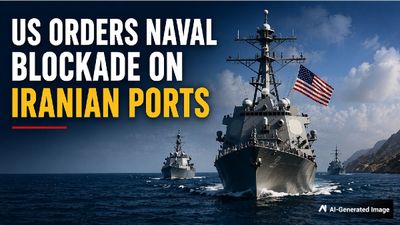 US CENTCOM Moves to Restrict Iran Port Access Without Disrupting Global Shipping
 -
 Why Did Trump Announce a Strait of Hormuz Blockade After Failed Iran Talks?
 -
 ‘We Win Regardless’: Trump Downplays Collapse of Iran Peace Negotiations
 -
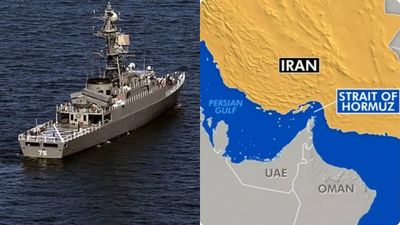 Strait of Hormuz Tensions Rise as US Says 2 Warships Began Mine-Clearing Mission, Iran Rejects Claim
 -
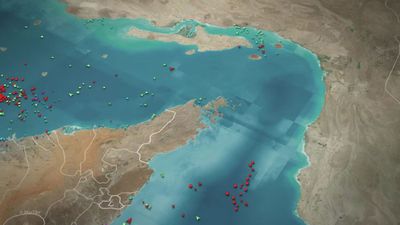 Iran Struggles To Reopen Strait Of Hormuz As It Lost Track Of Sea Mines; Threaten Global Shipping Routes
 -
 US Will Not Allow Iran To Impose Tolls On Strait of Hormuz: Donald Trump
 -
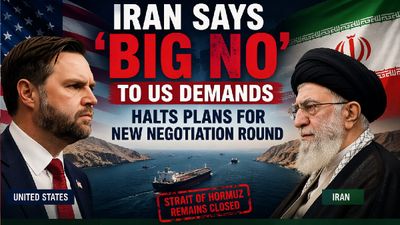 Iran Says ‘Big No’ To US' Unreasonable Demands, Freezes Next Round of Nuclear Talks
 -
 No Deal in Islamabad: JD Vance Confirms Collapse of US-Iran Truce Talks
 -
 JD Vance Heads US Push for Iran Ceasefire as Talks Begin in Pakistan
 -
 Energy security: India finalising oil and gas supply agreement with Mauritius, says Jaishankar
 -
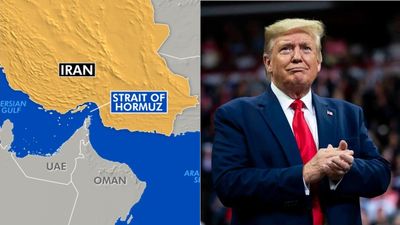 ‘Oil Will Flow, With or Without Iran’: Trump Warns Tehran Over Strait of Hormuz Toll Report



 Click it and Unblock the Notifications
 Sign in with Google