


JD Vance Heads US Push for Iran Ceasefire as Talks Begin in Pakistan


The United States has stepped up diplomatic efforts to secure a breakthrough in high-stakes negotiations with Iran, as senior American officials arrived in Islamabad for indirect talks aimed at ending a six-week conflict that has shaken West Asia.
Washington's push comes at a critical moment, with a fragile ceasefire under pressure and continued violence in Lebanon threatening to derail progress even before formal discussions begin.
AI-generated summary, reviewed by editors
Washington takes charge of negotiations
A high-powered US delegation led by Vice President JD Vance, special envoy Steve Witkoff and senior adviser Jared Kushner is spearheading Washington's negotiating strategy.

The team's arrival follows the deployment of an advance group of around 100 American personnel tasked with preparing logistics and shaping the framework of the talks. US officials are positioning the Islamabad dialogue as a decisive opportunity to convert a temporary ceasefire into a broader and more durable agreement.
US priorities: security, stability and waterways
At the core of Washington's agenda is ensuring regional stability while preventing Iran from leveraging control over the Strait of Hormuz - a critical artery for global oil supplies.
American negotiators are also focused on curbing Iran's regional influence, particularly in Lebanon, where ongoing clashes between Israel and the Hezbollah continue to test the limits of the ceasefire.
US officials view these parallel conflicts as a key challenge, fearing that continued violence could undermine diplomatic progress and widen the crisis.
Trump signals hardline approach
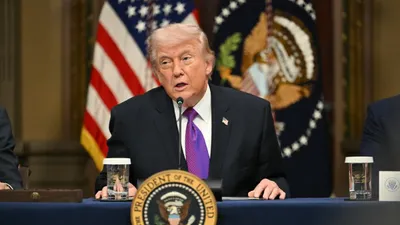
Ahead of the talks, President Donald Trump adopted a combative stance, warning that Washington would not accept pressure tactics from Tehran.
Trump accused Iran of overestimating its leverage, particularly its attempts to use strategic waterways as a bargaining chip. His remarks underscore a broader US strategy that combines diplomatic engagement with a firm warning against escalation.
Vice President Vance echoed a more measured tone but made it clear that the US negotiating team would not tolerate attempts to "play" Washington during the discussions.
Balancing diplomacy with pressure
While the US has entered the talks with a willingness to negotiate, it faces a complex set of demands from Tehran - including sanctions relief, financial concessions and recognition of its regional role.
American officials remain cautious about making sweeping concessions, particularly on sanctions, which Washington sees as one of its strongest tools of leverage.
At the same time, the US is under pressure to deliver a deal that can stabilise energy markets and prevent further disruption to the global economy.
Security tight as US-led talks begin
The scale of the US presence highlights the importance Washington places on the negotiations. Islamabad has been placed under heavy security lockdown, with thousands of personnel deployed to secure venues and routes used by the American delegation.
Initial engagements are expected to involve separate consultations with Shehbaz Sharif, before indirect talks with Iranian representatives begin.
Uncertain outcome for US strategy
Despite Washington's proactive role, the path to an agreement remains uncertain. Key differences over sanctions, regional influence and maritime control continue to divide the two sides.
US officials acknowledge that the talks could either produce a significant diplomatic breakthrough or end without progress, potentially pushing the region back toward escalation.
For Washington, the outcome of the Islamabad negotiations will not only shape its approach to Iran but also influence broader geopolitical stability and global energy security in the months ahead.









 Click it and Unblock the Notifications
 Sign in with Google