Predictive Analytics in Clinical Trials: Aditya Gadiko's Data-Driven Approach


In the evolving landscape of clinical research, the integration of predictive analytics is ushering in a new era of efficiency and precision. Leading the charge in this transformative endeavor is Aditya Gadiko, a pioneer dedicated to harnessing the power of data analytics to revolutionize the medical review process, enhance patient safety, and expedite the journey of new drugs to market.
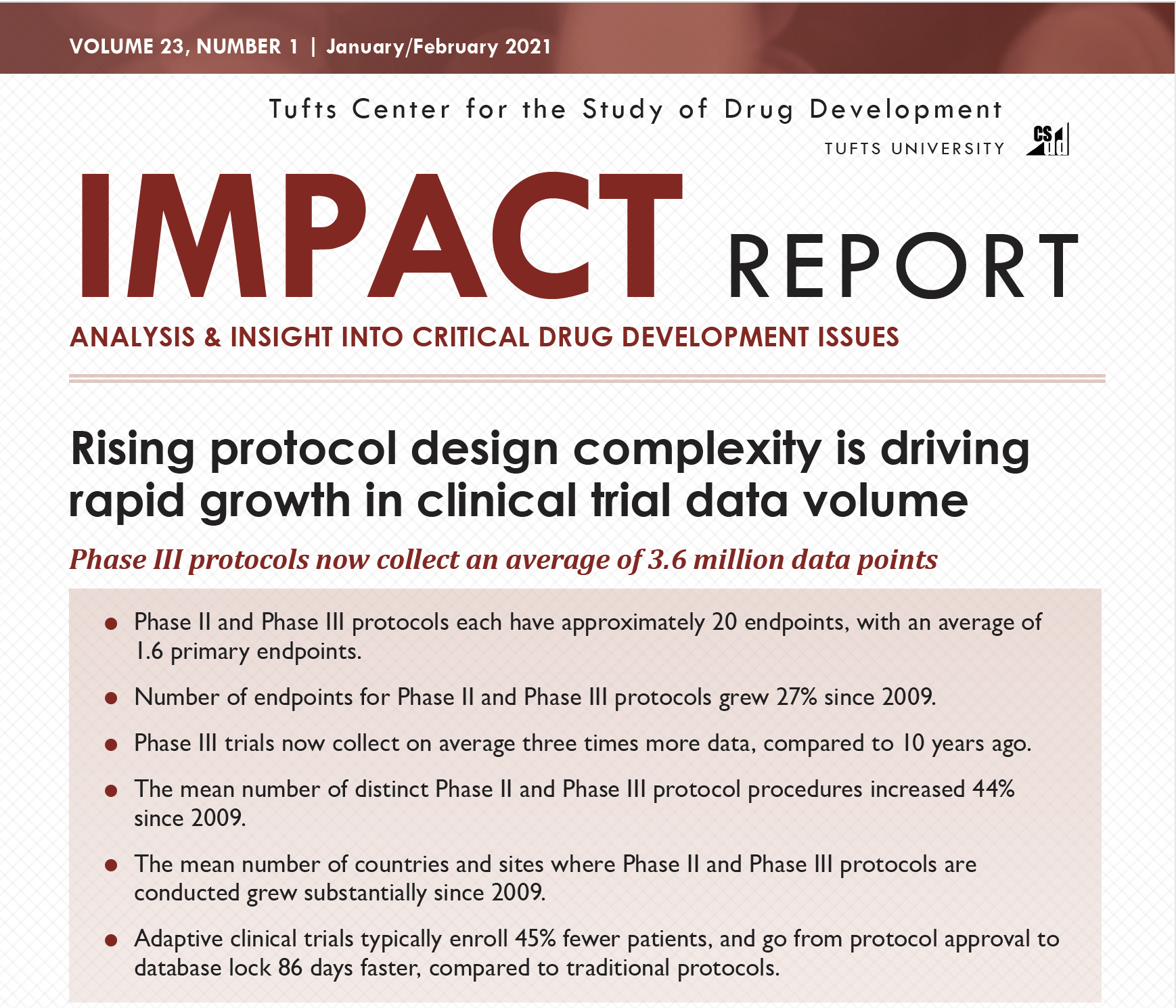
Clinical trials, the cornerstone of medical advancement, are facing escalating complexity fueled by a surge in data volume and diversification of data sources. The complexity of clinical trials is escalating, compounded by the surge in data volume and the diversification of data sources. Phase II and Phase III protocols each have approximately 20 endpoints, with an average of 1.6 primary end points and the number of endpoints for Phase II and Phase III protocols grew 27% since 2009. Traditional methods of data review and analysis are proving inadequate in this era of data abundance, necessitating a shift towards sophisticated, data-driven approaches. Gadiko's firsthand experiences attest to the transformative potential of predictive analytics, surpassing manual methods by tenfold in identifying and querying data discrepancies in clinical trials.

Predictive analytics offers a proactive approach to trial management, enabling the anticipation of problems before they arise, tailoring interventions with precision, and making informed decisions faster than ever before. Gadiko's contributions span key areas, beginning with enhanced data cleaning processes. Through initiatives leveraging AI, Gadiko has automated the data cleaning process, reducing time and labor significantly. Comparative studies within clinical trials demonstrate the efficiency of predictive analytics-enhanced data review, with a remarkable reduction in review and approval time compared to conventional methods.
In his role, our expert has spearheaded initiatives leveraging artificial intelligence (AI) to automate the data cleaning process, resulting in a substantial reduction in time and labor. By employing AI to detect errors, inconsistencies, and discrepancies in real-time, the integrity of data at scale has been effectively maintained, laying a robust foundation for predictive analysis. Notably, the individual contributed to a predictive analytics project wherein a comparative study within a clinical trial was conducted. The results showcased that predictive analytics-enhanced data review proved significantly more efficient than traditional manual methods. According to the data, the predictive analytics approach reduced the time required for review and approval to an average of 3 minutes, in contrast to 27 minutes under the conventional approach. Cumulatively, the predictive approach demanded only 130 hours, whereas manual review necessitated 1,777 hours. Further details regarding this comparative study are delineated in the subsequent figure.

In his professional capacity, expert has demonstrated expertise in applying artificial intelligence (AI) for the analysis of complex data sets, particularly those involving multimodal data integration and natural language processing. This proficiency has been pivotal in extracting actionable insights from diverse data sources, including electronic health records, wearable devices, and patient notes.
Moreover, Aditya has played a crucial role in the development and implementation of predictive models aimed at forecasting patient safety risks and trial outcomes. These predictive models are presented to users via 'Smart Suggestions,' facilitating timely interventions to ensure patient welfare and trial integrity. Notably, in a clinical trial setting, it was observed that medical reviewers engaged with 70% of the predictions provided by the tool developed by the individual for further evaluation. This streamlined process resulted in significant time savings, with experts averting an average of 32 minutes per prediction in identifying potential safety risks compared to manual data exploration methods.
Moreover, Gadiko's work extends to complex data analysis, utilizing AI for the analysis of multimodal data integration and natural language processing. This capability has been instrumental in deriving actionable insights from diverse data sources, including electronic health records and wearable devices.
However, perhaps the most significant impact lies in predictive modeling for patient safety and trial outcomes. Gadiko's involvement in developing and implementing predictive models has led to the identification of potential adverse events and efficacy indicators, allowing for timely interventions that safeguard patient welfare and trial integrity. In the clinical trial context, medical reviewers engaged with a significant percentage of predictions offered by predictive analytics tools, resulting in notable time savings compared to manual data exploration methods.
The journey towards fully realizing the potential of predictive analytics in clinical trials is ongoing, but early results are promising. As these technologies and methodologies continue to be refined, the future of clinical research is set to be increasingly data-driven. Gadiko's work not only accelerates the pace of clinical trials but also enhances their quality and efficacy, ultimately bringing life-saving treatments to patients more quickly and safely.
In the current scenario, marked by the urgent need for innovation in healthcare, Gadiko's contributions stand as a beacon of hope. By marrying human expertise with data analytics, he is spearheading a more efficient, effective, and patient-centered approach to clinical research. As we navigate the complexities of modern medicine, Gadiko's pioneering efforts remind us that the fusion of data and healthcare holds the key to a brighter future for all.
Impact Report: Analysis and Insight into Critical Drug Development Issues. 1. Vol. 23. Boston: Tufts Center for the Study of Drug Development; [Accessed September, 2022.].
Rising protocol design complexity is driving rapid growth in clinical trial data volume: https://f.hubspotusercontent10.net/hubfs/9468915/TuftsCSDD_June2021/images/Jan-Feb-2021.png . [Google Scholar]



 Click it and Unblock the Notifications
 Sign in with Google