


US Stocks Slide Sharply As Weak Jobs Data And Iran Conflict Push Oil Prices Higher, Dow Drops Over 900 Points
US equity markets fell sharply as concerns about recession and stubborn inflation persisted, while oil prices surged due to Middle East tensions and disruptions to energy supply. The downturn followed weak payroll data, heightening fears of stagflation and slower economic growth.


US stocks slid sharply on 5 March, as worries about recession and stubborn inflation hit sentiment. By 9.35 am Eastern Time, the Dow Jones Industrial Average had dropped 909 points, or 1.9%, while the Nasdaq composite was down 1.6%, reflecting deep concern across Wall Street.

AI-generated summary, reviewed by editors
The steep fall came as traders priced in what many describe as a "worst-case scenario", according to the Associated Press. Markets are now contending with a weaker US economy, still-elevated inflation and a sudden spike in energy costs linked to the war in Iran and wider Middle East tensions.
US stocks and oil prices: jobs data deepens stagflation fears
The S&P 500 lost 1.6% after new labour data showed US employers cut more jobs than they created last month. That negative surprise sharpened fears that growth is slowing just as prices climb again, increasing anxiety about a period of so-called stagflation in the world’s largest economy.
Brian Jacobsen, chief economic strategist at Annex Wealth Management, said traders reacted to both the weak payrolls report and the jump in energy prices. Jacobsen told AP that a "negative payrolls number combined with a big jump in oil prices" had led to worries about 'stagflation.' "You can't sugarcoat this report," Jacobsen told AP.
US stocks and oil prices: conflict-driven crude surge
The conflict’s impact on commodities was immediate, with crude benchmarks soaring. Brent crude, the global reference price, jumped another 5.7% to $90.25 a barrel, while benchmark US crude surged 8.9% to $88.20. Brent had traded near $70 as recently as late last week, underscoring the scale of the latest move.
The Associated Press reported that the war’s spread to other Middle East countries, and strikes on infrastructure vital for energy production and transport, have pushed prices higher. A photograph from the New York Stock Exchange showed traders on the floor reacting as global markets responded to developments in the region.
| Index / Commodity | Move | New level / Price |
|---|---|---|
| Dow Jones Industrial Average | -909 points (-1.9%) | As of 9.35 am ET |
| Nasdaq composite | -1.6% | As of 9.35 am ET |
| S&P 500 | -1.6% | During Friday trading |
| Brent crude | +5.7% | $90.25 per barrel |
| US benchmark crude | +8.9% | $88.20 per barrel |
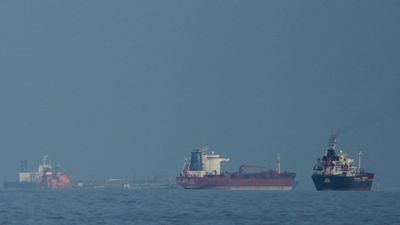
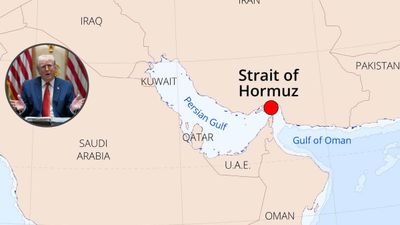
AP reported that Iran’s decision to block the Strait of Hormuz, a narrow passage that handles around one-fifth of global oil shipments, has worsened supply concerns. The halt in Iranian gas exports to much of Asia has added pressure, amid fears of a bidding war between European and Asian buyers for alternative supplies.
Fatih Birol, chief of the International Energy Agency, was cited by AP as warning that energy prices could rise further if those export disruptions persist. Any extended spike in oil and gas costs could hit consumers worldwide, including in India, and complicate inflation control efforts by central banks already wary of past price shocks.
Historically, US stock markets have often recovered fairly quickly after geopolitical conflicts, provided oil does not stay too expensive for too long. However, US President Donald Trump said that only "unconditional surrender" from Iran could put an end to the conflict, reducing expectations of a swift resolution and adding to uncertainty over future energy prices and global growth.
-
 Gold Rate Today in Bangalore, April 4, 2026: IBJA Rates, 22K Gold Prices at Bhima, Abharan, Jos Alukkas, GRT
 -
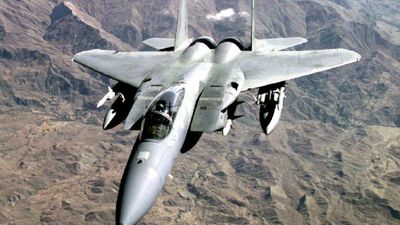 'Behind Enemy Lines' For Real: F15 US Pilot Rescue Unfolds Deep Inside Iran
 -
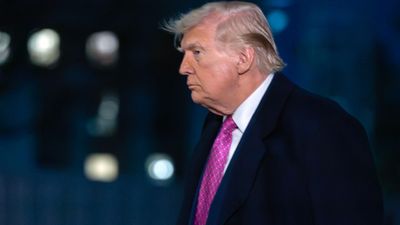 Trump's Address To Nation: Key Pointers From US President's Speech
 -
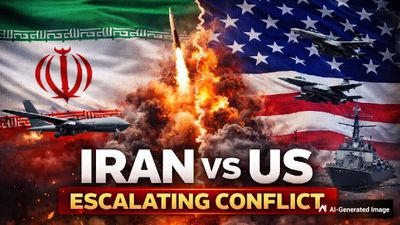 Iran Hits Back at Trump, Threatens Prolonged War
 -
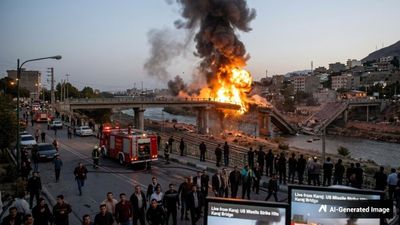 Iran Names 8 Gulf, Jordan Bridges as Possible Targets After Deadly Karaj Strike
 -
 US-Sanctioned Iranian Tanker Diverts from India to China Mid-Voyage
 -
 Trump Sets Tough Terms For Ceasefire With Iran, Demands Strait Of Hormuz Be “Open, Free, Clear” Amid Conflict
 -
 When Will Strait of Hormuz Reopen? Donald Trump’s Iran War Speech Suggests No Quick Relief
 -
 UK To Host 35-Nation Talks To Reopen Strait Of Hormuz Amid Oil Crisis
 -
 Donald Trump Offers To Buy Oil From The US, Says “We Have Plenty”; Claims Iran War Will “Finish Very Fast'
 -
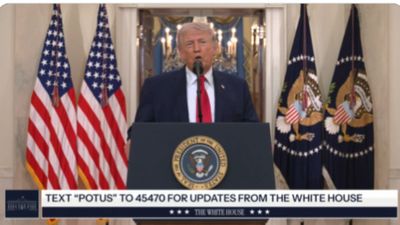 Trump Addresses Nation Amid Iran War, Targets Obama Nuclear Deal, Justifies ‘Operation Epic Fury' , Watch
 -
 What Is The ‘Stone Age’ Warning Donald Trump Issued To Iran? Says ‘No Deal, No Mercy’



 Click it and Unblock the Notifications
 Sign in with Google