


Pakistan Mediation Advances In US Iran Talks And Regional Diplomacy


Pakistan is opening two days of intensive talks with the foreign ministers of Saudi Arabia, Turkey and Egypt, as Islamabad positions itself as a possible venue for direct negotiations between the United States and Iran while the West Asia conflict, launched by the United States and Israel on February 28, moves into its second month and fuels concerns about security and trade.
Pakistan's Foreign Ministry said the discussions in Islamabad will involve the four ministers holding "in-depth discussions on a range of issues, including efforts to de-escalate tensions in the region," according to Reuters, with energy routes, maritime security and wider political fallout in focus as regional players weigh diplomatic options alongside ongoing military deployments.
AI-generated summary, reviewed by editors
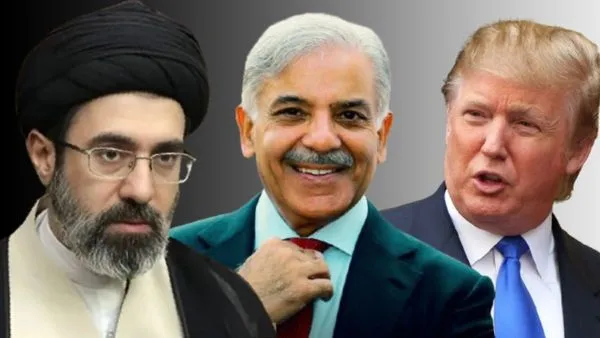
Pakistan mediation and US-Iran talks amid Iran war
In advance of the gathering, Pakistan Prime Minister Shehbaz Sharif spoke by phone with Iranian President Masoud Pezeshkian for more than an hour, AFP reported, with Sharif explaining Pakistan's outreach to the United States and other regional capitals, describing Iran as a "brotherly" country, and stressing Islamabad's attempts to encourage negotiations that might gradually reduce hostilities.
Reuters reported that Pakistan has already passed to Tehran a United States proposal intended to halt the fighting and has offered its own territory as a possible venue for direct US-Iran talks, while Iranian officials have indicated that any such meeting could be held either in Pakistan or in Turkey, highlighting both states as acceptable locations.
Key countries in Pakistan mediation and US-Iran talks
The Islamabad talks bring together Pakistan's Foreign Minister Ishaq Dar, Saudi Arabia's foreign minister, Turkish Foreign Minister Hakan Fidan and Egypt's foreign minister, with Fidan telling broadcaster A Haber that "We would discuss where the negotiations in this war are heading and how these four countries assess the situation and what can be done," outlining the aim of shaping a joint diplomatic mechanism.
According to AFP, Germany's Foreign Minister Johann Wadephul has said a direct meeting between the United States and Iran could take place in Pakistan "very soon," while Iranian authorities are still examining a 15-point United States proposal covering Iran's nuclear programme, missile activities and arrangements linked to the Strait of Hormuz, which one Iranian official has labelled "one-sided and unfair."
Regional stakes in Pakistan mediation and US-Iran talks
The strategic Strait of Hormuz, a vital shipping route for global oil and gas supplies, lies at the heart of many of these discussions, with Iranian negotiators reported by the Associated Press to have tabled a five-point counter-framework demanding reparations and formal recognition of Iran's sovereignty over the waterway, reflecting Tehran's desire to set conditions for any broader settlement.
Ishaq Dar said Iran has recently cleared 20 additional Pakistan-flagged vessels to pass through the Strait of Hormuz, calling the move a confidence-building gesture designed to keep trade flowing during the crisis, even as Iranian Foreign Minister Abbas Araghchi has voiced doubts about diplomatic progress, accusing Washington of making "unreasonable demands" and taking "contradictory actions."
Military backdrop to Pakistan mediation and US-Iran talks
The diplomatic push in Pakistan is unfolding alongside heightened military activity, with the Associated Press reporting that United States naval forces in the region now include ships carrying about 2,500 Marines trained for amphibious missions and roughly 1,000 paratroopers from the 82nd Airborne Division, while US Secretary of State Marco Rubio has said Washington believes it can achieve its goals without sending ground forces.
As Pakistan hosts the ministers from Saudi Arabia, Turkey and Egypt, Islamabad is trying to carve out space for talks that might involve the United States and Iran, while balancing close ties with Gulf partners, managing domestic pressures and navigating the risk that prolonged conflict in West Asia could disrupt regional stability, energy markets and key maritime trade corridors.



 Click it and Unblock the Notifications
 Sign in with Google