


Iran Introduces Alternative Shipping Routes In Strait Of Hormuz As Ceasefire Row Deepens And Regional Tensions


Iran has introduced alternative shipping routes in the Strait of Hormuz and advised all vessels to coordinate with its naval forces while passing through the region. The announcement was made by the Islamic Revolutionary Guard Corps (IRGC) Navy and reported by state media.
AI-generated summary, reviewed by editors
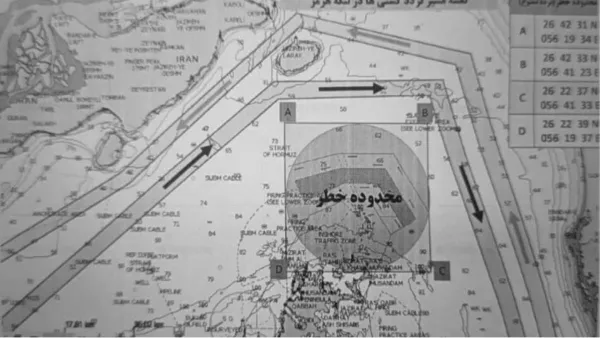
Ships have been instructed to follow specific entry and exit paths to reduce risks, including the possibility of sea mines. This move comes shortly after Iran took steps to restrict movement in the strait, raising concerns over global trade and energy supply.
Designated Entry and Exit Routes Explained
According to Iranian authorities, vessels entering and leaving the strait must follow clearly defined routes:
Entry Route: Ships should move from the Sea of Oman towards the north of Larak Island and then proceed into the Gulf.
Exit Route: Vessels exiting the Gulf should pass south of Larak Island before heading back into the Sea of Oman.
These measures are aimed at controlling traffic and ensuring safety during a period of heightened tension.
Strait Closure Linked to Ceasefire Dispute
The situation escalated after Iran moved to close the Strait of Hormuz, less than a day after former US President Donald Trump announced a two-week ceasefire with Tehran. Iranian officials claimed that the ceasefire terms were being violated, particularly due to Israeli military actions in Lebanon targeting Hezbollah.
Earlier reports suggested that tanker movement could come to a complete halt. Although two ships were briefly allowed to pass, restrictions were soon tightened again.
Disagreement Over Scope of Ceasefire
A major issue remains over how far the ceasefire agreement applies. Iran has argued that the truce should cover all regions, including Israeli operations in Lebanon. However, Israel has rejected this interpretation.
Israeli Prime Minister Benjamin Netanyahu stated that military operations against Hezbollah would continue, saying that Lebanon is not part of the ceasefire arrangement. This disagreement has added to the already tense situation in the region.
Global Importance of the Strait of Hormuz
The Strait of Hormuz is one of the most critical shipping routes in the world. Nearly 20% of global oil and liquefied natural gas supplies pass through this narrow waterway. It connects the Persian Gulf with the Arabian Sea and is bordered by Iran, Oman, and the United Arab Emirates.
Any disruption in this route can have a major impact on global energy markets and international trade.
Possibility of Easing Restrictions
A senior Iranian official indicated that restrictions on the strait might be relaxed in the coming days, possibly before upcoming talks in Islamabad. However, even if eased, ships may still need permission from Iranian authorities to pass through.
Violence Escalates in Lebanon
At the same time, tensions have intensified in Lebanon. Israel has launched what it described as one of its largest coordinated military operations in the region.
According to Lebanese health officials, at least 254 people have been killed and more than 800 injured in the strikes. Explosions were reported in several parts of Beirut, including central areas. Some strikes occurred without prior warning, while others followed evacuation notices.
The Israeli military said it targeted over 100 Hezbollah positions, including command centres and other strategic sites.
Ceasefire Remains Fragile
Despite the announced ceasefire between the United States and Iran, ongoing violence in Lebanon highlights how fragile the situation remains. Conflicting interpretations of the agreement and continued military actions have kept tensions high across the region.



 Click it and Unblock the Notifications
 Sign in with Google