


India to Attend Global Summit on Hormuz Crisis Amid Rising Tensions


India is set to join a high-level virtual consultation convened by the United Kingdom to address the growing crisis in the Strait of Hormuz-a narrow but critical artery for global energy trade now caught in escalating geopolitical tensions.
The Ministry of External Affairs confirmed that Foreign Secretary Vikram Misri will represent New Delhi in the discussions, which bring together multiple countries seeking a coordinated response to disruptions in the region.
AI-generated summary, reviewed by editors
At the heart of the issue is the ongoing standoff involving Iran, which has taken aggressive measures in the strait following military actions linked to the United States and Israel. The situation has complicated maritime movement, particularly for energy shipments, raising concerns across major importing nations.

According to MEA spokesperson Randhir Jaiswal, India is actively engaging with regional players to safeguard its shipping interests. These efforts are already showing limited success, with several Indian vessels managing safe passage through the contested waters in recent days.
Interestingly, the upcoming UK-led talks may proceed without direct participation from the United States, even as Washington remains central to the broader conflict dynamics. US President Donald Trump has publicly called on other nations to take responsibility for restoring access to the route.
A Critical Chokepoint Under Stress
The Strait of Hormuz is more than just a regional passage-it is a global lifeline, carrying nearly one-fifth of the world's oil supply. Any prolonged disruption has immediate ripple effects on fuel prices, shipping insurance, and global economic stability.
For India, the implications are particularly serious. With nearly 88% of its crude oil imported-and a significant portion routed through Hormuz-the country faces direct exposure to supply shocks. Nearly half of India's oil imports depend on uninterrupted access to this corridor.
India's Balancing Act
India's participation in the summit reflects a careful diplomatic balancing act-maintaining engagement with all sides while prioritizing energy security and the safety of its commercial fleet.
As tensions remain high, the outcome of these talks could shape not just immediate maritime access, but also broader geopolitical alignments in a region critical to global energy flows.
-
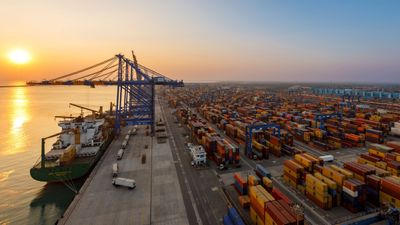 APSEZ Crosses 500 Million Tonnes Cargo Milestone, Reinforcing Its Role in India’s Growth Story
 -
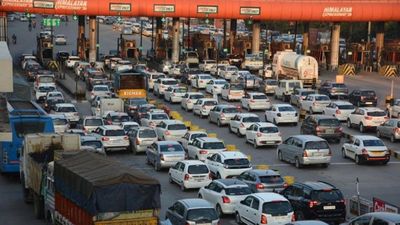 Toll Rates Revision By NHAI Tied To WPI Impacts Delhi Gurgaon Expressway Dwarka Expressway And Sohna Highway
 -
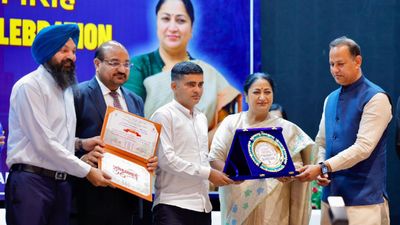 Delhi CM Rekha Gupta Attends 122nd Foundation Day of Indian Agricultural Research Institute
 -
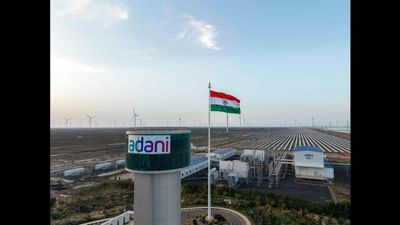 Adani Green Energy Delivers on 5 GW Commitment in FY26, Marking a Global High for Greenfield Expansion.
 -
 Gold Rate Today 1 April 2026: Latest IBJA Gold Rates, Tanishq, Kalyan, Malabar, Joyalukkas Prices
 -
 RCB Vs CSK IPL 2026 Tickets At Chinnaswamy: Official Sale, Metro Perks, And Entry Guidelines
 -
 ATM Withdrawal Rule Changes Kick In Today: HDFC, PNB, Bandhan Revise Limits, Charges, UPI Impact
 -
 Stock Market Crash: Sensex, Nifty Fall as ₹51.7 Lakh Crore Wiped Out Amid Global Tensions
 -
 Gold Silver Rate Today, 1 April 2026: City-Wise Prices Rise Sharply, MCX Gold And Silver Surge
 -
 Gold Silver Rate Today, 31 March 2026: City-Wise Prices, MCX Trend As Gold Rises And Silver Slips
 -
 Starmer Warns Iran Conflict Will Impact UK, But Pledges to ‘Weather The Storm’
 -
 Mahavir Jayanti 2026: 10+ Wishes, Teachings, And The Meaning Of This Sacred Day



 Click it and Unblock the Notifications
 Sign in with Google