


EXPLAINED: Saudi Strikes in Yemen Reveal Deep Rift With UAE in Gulf Coalition


Saudi Arabia's recent airstrikes on Yemen's southern port city of Mukalla have unveiled a widening divide within the Gulf coalition that once jointly battled the Iran-aligned Houthi movement. The strikes, launched by Saudi warplanes, targeted vessels allegedly transporting prohibited weapons linked to the UAE-backed Southern Transitional Council (STC), escalating tensions between long-standing regional partners.
Weapons Shipment Sparks Crisis
AI-generated summary, reviewed by editors
Saudi officials claimed that two ships originating from the UAE port of Fujairah entered Mukalla without proper authorization and switched off their tracking systems. The Saudi-led coalition alleged the vessels secretly unloaded weapons and armoured vehicles at night in support of STC forces, describing the consignment as a direct threat to national security.
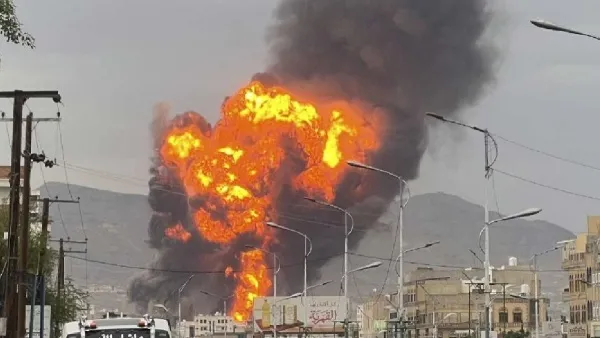
"The presence of such weapons constitutes an imminent danger and destabilising move," the coalition stated, adding that the strikes were carefully executed to avoid damage to civilians and port infrastructure.
Yemen Leadership Responds With Tough Measures
Responding swiftly, Yemen's internationally recognised government suspended a defence agreement with the UAE and ordered Emirati troops to leave within 24 hours. Presidential Leadership Council chief Rashad al-Alimi accused the UAE of backing separatist ambitions that undermine state authority.
Authorities also enforced heightened controls on air, land and sea routes, introduced a temporary no-fly zone, and blocked port access except under coalition clearance - signalling the seriousness of the rupture.
UAE Rejects Accusations, Announces Troop Pullout
The UAE said it was blindsided by the Saudi operation and dismissed claims that the shipment included weapons. Its foreign ministry insisted the cargo was solely equipment for Emirati forces and maintained that its presence in Yemen falls under the original coalition mandate.
Calling for restraint, Abu Dhabi urged dialogue to avoid further escalation. Later, the UAE announced it would withdraw its remaining counterterrorism units, signalling a scaled-back role on the ground.
Southern Transitional Council at Centre of Tensions
The STC - formed in 2017 and backed by Abu Dhabi - controls key regions of southern Yemen including Aden and commands powerful armed factions. Although part of Yemen's ruling Presidential Leadership Council, STC fighters have clashed with Saudi-supported units, particularly as the separatist group pushes for autonomy or the re-establishment of a pre-1990 southern state.
Saudi Arabia views STC's advances in eastern provinces - particularly Hadramout and Al-Mahra, which border the kingdom and host major trade and resource corridors - as a national security red line.
A Coalition Built in 2015 Now Under Strain
Saudi Arabia and the UAE entered Yemen's conflict together in 2015 to restore the internationally recognised government after Houthi forces captured Sanaa. While both opposed the Houthis, their long-term visions diverged - Riyadh favouring a united Yemen and Abu Dhabi backing southern groups seeking autonomy.
As the coalition fractures, Yemen remains engulfed in one of the world's worst humanitarian crises, with more than 150,000 lives lost and millions facing deprivation. The internal power struggle now risks overshadowing efforts to confront the Houthis and threatens the stability of southern regions rich in oil and strategic ports.



 Click it and Unblock the Notifications
 Sign in with Google