


Supreme Court Grants No Relief To Bengal Voters Deleted In SIR, Says They Cannot Cast Votes


The Supreme Court of India has refused to grant interim voting rights to individuals in West Bengal whose names were deleted during the Special Intensive Revision (SIR) of electoral rolls.

AI-generated summary, reviewed by editors
The decision comes as thousands of appeals challenging these deletions remain pending before appellate authorities.
Court Rejects Demand to Allow Voting
During the hearing, leaders from the Trinamool Congress raised concerns about the large number of affected voters. Party leader Kalyan Banerjee argued that around 1.6 million people have filed appeals and should be allowed to vote in the upcoming Assembly elections.
However, Chief Justice Surya Kant made it clear that granting such relief is not possible at this stage. He stated that allowing individuals with pending appeals to vote would create legal complications and could affect the integrity of the electoral process.
Large Number of Appeals Highlighted
Justice Joymalya Bagchi pointed out that the number of appeals related to the SIR exercise is even higher than initially stated.
According to the court, around 3.4 million appeals have been filed, as mentioned in a report submitted by the Chief Justice of the Calcutta High Court. This highlights the scale of the issue and the number of voters affected by the revision process.
What Is the SIR Process?
The Special Intensive Revision (SIR) is a process carried out to update and clean electoral rolls. It aims to remove duplicate entries, incorrect data, and ineligible voters to ensure fair elections.
However, the process has led to concerns about genuine voters being removed, with many people filing appeals to restore their names on the voter list.
No Immediate Relief, Issue Remains Sensitive
The court's decision means that individuals whose names have been removed and whose appeals are still pending will not be able to vote in the upcoming elections.
This has raised concerns among political parties and voters, especially given the large number of appeals still unresolved.
While the Supreme Court has not closed the matter entirely, its refusal to grant interim relief indicates that the issue will require further legal and administrative review rather than immediate action.
Impact on Upcoming Elections
With Assembly elections scheduled later this month in West Bengal, the decision could have a significant impact on voter participation.
The case also highlights the broader challenge of balancing accurate voter lists with the need to ensure that no eligible citizen is denied the right to vote.
As the situation develops, all eyes will be on how authorities handle the pending appeals and whether further legal steps are taken.
-
 West Bengal election security plans set out to support free and fair polling, officials say
 -
 West Bengal elections: Abhishek Banerjee questions Vinesh Chandel arrest and agency neutrality
 -
 Supreme Court Notice On Biometric Voting: Can Facial Recognition Improve India’s Elections?
 -
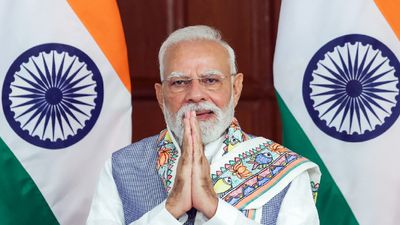 PM Modi Writes to Party Leaders, Pushes for Swift Rollout of Women’s Reservation Law
 -
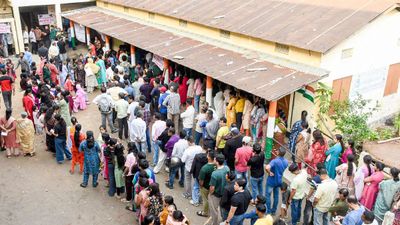 SIR Effect? Assam, Puducherry Record Highest Ever Voter Turnout
 -
 'BJP Brought People From Uttar Pradesh For Assam Polls Due To Lack Of Confidence': Claims Mamata Banerjee
 -
 Stung! A Jolt To BJP Ahead Of West Bengal Polls? Kabir Fallout May Undo Minority Vote Split
 -
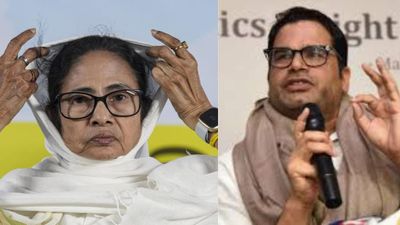 TMC vs BJP In Bengal 2026: Can Mamata Banerjee Win Big Without Prashant Kishor’s Strategy Engine?
 -
 Justice Yashwant Varma Resigns From Allahabad HC, Halting Rare Impeachment Proceedings In Parliament
 -
 West Bengal and Tamil Nadu: Can the TMC and DMK Hold Two Electric States?
 -
 RG Kar Rape-Murder Victim’s Mother to Contest Election: From Which District?
 -
 SIR Effect: Kerala Records Higher Polling Percentage - What Does It Signal?



 Click it and Unblock the Notifications
 Sign in with Google