


Iran Strike Panic, Hormuz Seizure, Europe Fuel Crisis

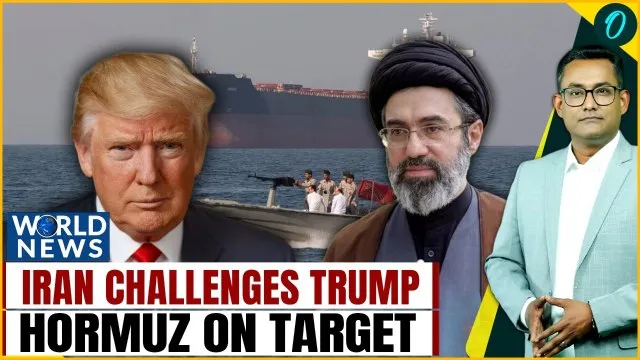
Tensions across the Middle East are rising sharply, with three major developments signaling a widening geopolitical and economic risk. In Tehran, panic was triggered after unverified reports of a possible U.S. missile strike surfaced on social media. Explosions, air defence activity, and unusual military movement led to speculation of escalation. However, Iranian authorities have dismissed the claims, stating it was part of routine air defence drills. No confirmation has come from U.S. Central Command or independent sources, highlighting the growing role of misinformation in high-tension zones. Meanwhile, in the Strait of Hormuz, Iran’s IRGC has reportedly boarded the Liberia-flagged MSC Epaminondas, a Greek-owned commercial vessel. Tehran claims maritime violations, while Greece disputes the seizure. With nearly 20% of global oil passing through Hormuz, this incident raises serious conce s about shipping security and global trade stability. The impact is now spreading beyond the region. Europe is facing a potential jet fuel shortage, with reports suggesting Lufthansa has grounded around 20,000 flights due to supply disruptions. This reflects how instability in key energy chokepoints directly affects global aviation and economic systems. From unverified strike fears to contested maritime actions and energy-driven disruptions, the crisis is no longer regional—it is global. World News with Pankaj Mishra.





 Use current location

 Click it and Unblock the Notifications
 Sign in with Google