


How To Choose The Right Serum For Your Skin By Identifying The Skin Problems And Finding The Right Ingredients


When we talk about skincare, serums are heralded as potent elixirs, capable of transforming your skin with their concentrated formulations. Unlike moisturizers or toners, serums are lightweight and packed with active ingredients designed to target specific skin concerns such as wrinkles, hyperpigmentation, dryness, or acne. However, the plethora of options available can make choosing the right serum a daunting task.
Before knowing how to choose the right serum, it's essential to understand what serums are and what they do. These ingredients penetrate deeply into the skin, delivering nutrients and addressing specific skin issues more effectively than heavier creams or lotions. This post aims to simplify the process, helping you select the ideal serum for your skin type and integrate it seamlessly into your skincare routine.

Identifying Your Skin Type
The first step in choosing the right serum is understanding your skin type. Your skin type influences how your skin reacts to different products and what it needs to look its best.
Common Skin Types
Normal Skin: Balanced, with no significant issues such as excess oil or dryness
Oily Skin: Prone to excess sebum production, leading to shine and potential acne
Dry Skin: Lacks moisture, often feeling tight or flaky
Combination Skin: A mix of oily and dry areas, typically with an oily T-zone (forehead, nose, and chin) and dry cheeks
Sensitive Skin: Easily irritated, often reacting to products with redness, itching, or burning

Identifying Your Skin Concerns
Next, determine your primary skin concerns. Common issues include aging, acne, hyperpigmentation, dryness, and dullness. Your specific skin concerns will guide you in selecting the active ingredients to look for in a serum.
Choosing The Right Serum Ingredients
Different active ingredients address different skin concerns. Here's a breakdown of common ingredients and their benefits:
For Aging and Wrinkles
- Retinol (Vitamin A): Promotes cell turnover and collagen production, reducing the appearance of fine lines and wrinkles.
- Peptides: Help rebuild and repair the skin's collagen and elastin fibers.
- Hyaluronic Acid: Hydrates and plumps the skin, reducing the appearance of wrinkles.
For Acne and Blemishes
- Salicylic Acid: Exfoliates the skin and clears clogged pores
- Niacinamide (Vitamin B3): Reduces inflammation and regulates oil production
- Tea Tree Oil: Has natural antibacterial properties to fight acne-causing bacteria
For Hyperpigmentation and Dark Spots
- Vitamin C: Brightens the skin and reduces the appearance of dark spots
- Alpha Arbutin: Inhibits melanin production, evening out skin tone
- Licorice Extract: Lightens dark spots and reduces hyperpigmentation
For Dryness
- Hyaluronic Acid: Attracts and retains moisture in the skin
- Glycerin: A humectant that draws moisture into the skin
- Ceramides: Restore the skin's natural barrier and prevent moisture loss
For Dullness
- Vitamin C: Enhances radiance and brightens the complexion
- Glycolic Acid: Exfoliates dead skin cells, revealing a brighter layer of skin
- Lactic Acid: Gently exfoliates and hydrates the skin
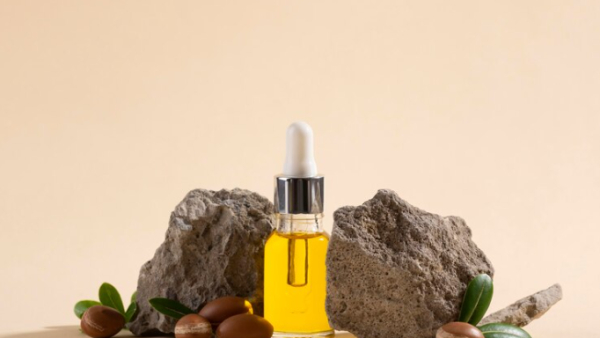
How To Choose The Right SerumStep 1: Identify Your Primary Skin Concern
Choose the serum based on your most pressing skin issue. If you have multiple concerns, prioritize them and select a serum that addresses the most critical one first.Step 2: Check the Ingredients
Read the product label to ensure it contains the active ingredients suited for your skin concern. Avoid serums with ingredients that might irritate your skin type.Step 3: Consider Your Skin Type
Oily Skin: Opt for lightweight, non-comedogenic serums that won't clog pores.
Dry Skin: Choose hydrating serums with ingredients like hyaluronic acid and ceramides.
Sensitive Skin: Look for serums with gentle, soothing ingredients like niacinamide and avoid those with fragrances or alcohol.Step 4: Test the Serum
Before incorporating a new serum into your routine, perform a patch test. Apply a small amount of the serum to your inner forearm and wait 24 hours to see if any irritation occurs.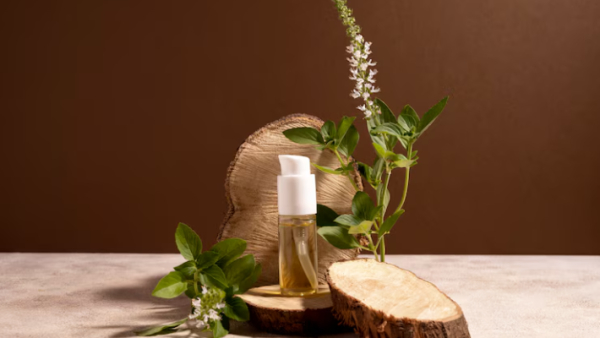
Adding Serum to Your Skincare Routine
Step 1: Cleanse
Start with a gentle cleanser to remove dirt, oil, and makeup. Clean skin ensures better absorption of the serum.Step 2: Tone
Use a toner to balance your skin's pH and remove any remaining impurities. Toners also prep the skin to absorb the serum more effectively.
Step 3: Apply Serum
How Much to Use: Generally, 1-2 pumps or a few drops are sufficient.
How to Apply: Gently press the serum into your skin using your fingertips. Focus on areas of concern but apply evenly across your face and neck.
Layering: If using multiple serums, apply the thinnest, water-based serums first, followed by thicker, oil-based ones.Step 4: Moisturize
After the serum, apply a moisturizer to lock in hydration and create a protective barrier on your skin.
Step 5: Protect
In the morning, finish with sunscreen to protect your skin from harmful UV rays. This step is crucial, especially when using serums with ingredients like retinol or vitamin C, which can make your skin more sensitive to sunlight.
Tips for Maximizing Serum Benefits1. Consistency is Key
Use your serum regularly, as recommended (typically once or twice daily), to see the best results. Consistency is crucial for the active ingredients to work effectively over time.2. Combine with Complementary Products
Ensure the other products in your skincare routine complement your serum. For example, pairing a hydrating serum with a gentle cleanser and a rich moisturizer can enhance overall hydration.3. Avoid Overloading
Avoid using too many active ingredients at once, which can overwhelm your skin and lead to irritation. Focus on one primary concern at a time and introduce new products gradually.4. Monitor Your Skin
Pay attention to how your skin reacts to the serum. If you notice any adverse reactions, such as increased redness, dryness, or breakouts, discontinue use and consult a dermatologist.5. Adjust for Day and Night
Some serums are best used at night (e.g., retinol) due to their potent effects and potential for increased sun sensitivity. Others, like vitamin C serums, can be used in the morning to provide antioxidant protection throughout the day.Therefore, by choosing the right serum for your skin involves understanding your skin type, identifying your primary concerns, and selecting the appropriate active ingredients. Know that patience and consistency are essential in skincare. With the right approach, serums can become a powerful tool in your journey to achieving radiant, healthy skin.



 Click it and Unblock the Notifications
 Sign in with Google