


Iran Says No Surplus Oil Available After US Eases Sanctions Amid Oil Price Surge


Iran's Oil Ministry has rejected Washington's move to ease sanctions on Iranian crude loaded on vessels as of March 20.
In a statement issued by Iran's consulate in Mumbai, officials said: "Iran essentially has no floating crude or surplus available for international markets. The U.S. Treasury Secretary's remarks appear aimed at reassuring buyers and managing market sentiment."
AI-generated summary, reviewed by editors

The denial adds uncertainty to an already volatile market, where crude prices have surged as the West Asia conflict enters its fourth week.
On Friday, the United States announced a temporary relaxation of sanctions on Iranian-origin crude and petroleum products until April 19, 2026. The U.S. Treasury's Office of Foreign Assets Control authorised the sale, delivery, and import of Iranian oil loaded on vessels as of March 20.
The license specifies: "All transactions ordinarily incident and necessary to the sale, delivery, or offloading of crude oil or petroleum products of Iranian origin loaded on any vessel on or before 12:01 a.m. EDT, March 20, 2026, are authorised through 12:01 a.m. EDT, April 19, 2026."
Treasury Secretary Scott Bessent, in a post on X, described the measure as a "narrowly tailored, short-term authorization" designed to stabilise global energy markets. He argued that unlocking stranded Iranian oil-estimated at 140 million barrels-would ease supply pressures and counter Tehran's leverage.
Bessent emphasised that the policy is limited to oil already in transit, with Iran unlikely to access revenue from sales. He reiterated that Washington's maximum pressure campaign against Tehran remains intact.
He also highlighted broader U.S. efforts to boost global supply, noting that the Trump administration has worked to bring 440 million additional barrels to market. Domestically, he pointed to record U.S. oil and gas production under President Trump's pro-energy agenda, which he said strengthens energy security and lowers fuel costs.
Meanwhile, the Strait of Hormuz remains effectively closed to most maritime traffic, intensifying pressure on global energy supplies and diplomatic relations.
With inputs from ANI
-
 Iran Hits Back at Trump, Threatens Prolonged War
 -
 US Pilot Reportedly Ejects In Southwest Iran Amid Fresh Iranian Claims Of F-35, F-15E Downing
 -
 Iran Names 8 Gulf, Jordan Bridges as Possible Targets After Deadly Karaj Strike
 -
 US-Sanctioned Iranian Tanker Diverts from India to China Mid-Voyage
 -
 Trump Sets Tough Terms For Ceasefire With Iran, Demands Strait Of Hormuz Be “Open, Free, Clear” Amid Conflict
 -
 US Confirms Fighter Jet Downed Over Iran, Tehran Announces Reward For Those Who Find Crew
 -
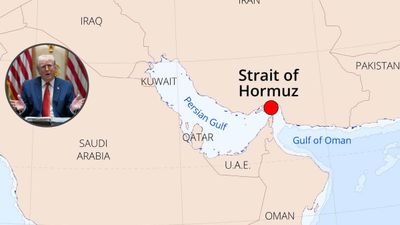 When Will Strait of Hormuz Reopen? Donald Trump’s Iran War Speech Suggests No Quick Relief
 -
 Donald Trump Offers To Buy Oil From The US, Says “We Have Plenty”; Claims Iran War Will “Finish Very Fast'
 -
 We're The Only Country To Lose Mariners At Strait of Hormuz: India At UK-led West Asia Meet On Iran Crisis
 -
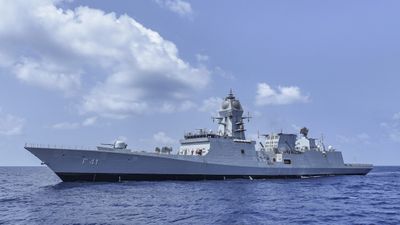 INS Taragiri To Join Indian Navy Fleet, Boosting Maritime Power
 -
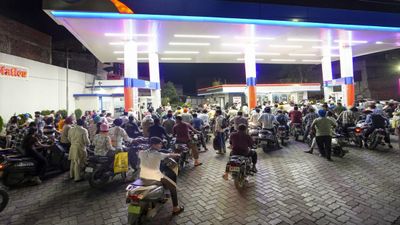 Centre Plans ₹2.5 Lakh Crore Credit Shield for Businesses Facing Iran Conflict Fallout
 -
 Will Donald Trump Quit NATO After Iran War Rift? Europe Unites As Alliance Faces Its Biggest Crisis In Decades



 Click it and Unblock the Notifications
 Sign in with Google