


History Of Old Parliament Building In 10 Simple Points


In less than 48 hours, Prime Minister Narendra Modi will dedicate the new Parliament House to the nation.
On the other hand, the Opposition parties have raised objections to the PM inaugurating the event and criticised the BJP government for not inviting President Draupadi Murmu.
Twenty opposition parties, including the Congress, Left, TMC, SP and AAP, have come together and announced their decision to boycott the inauguration of the new building by the Prime Minister. However, about 25 parties will be attending the event.
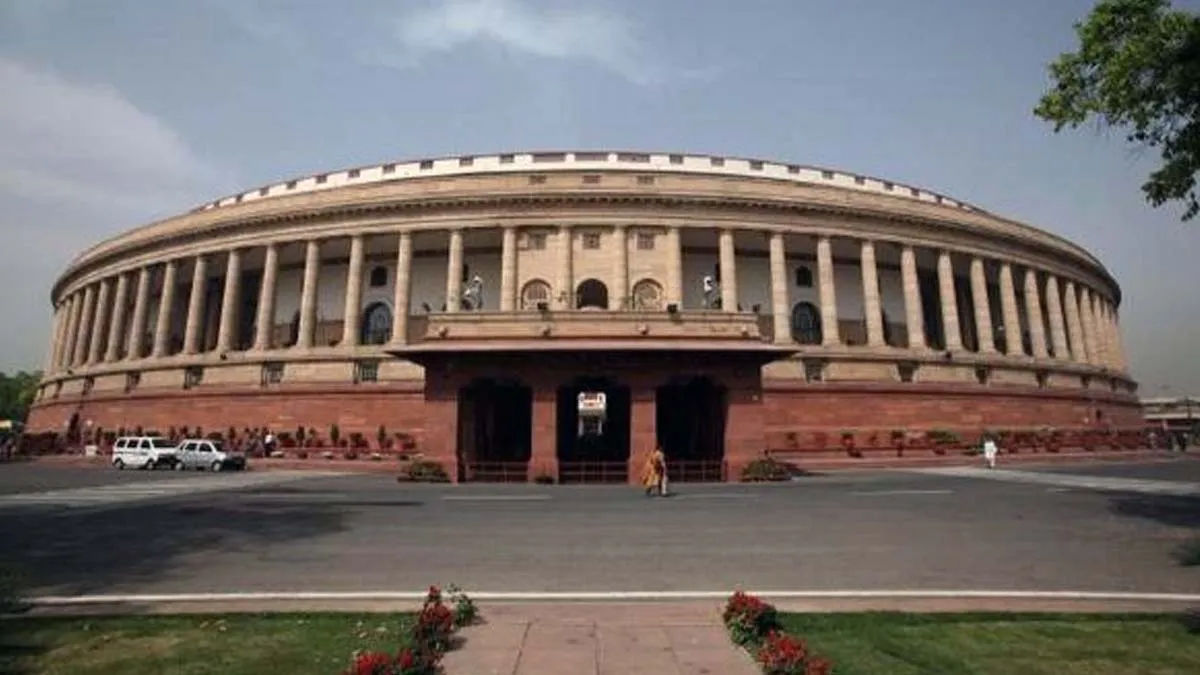
As the old Parliament building will now be consigned to the pages of history, let's revisit some interesting facts about it:
- Leading British architects Edwin Lutyens and Herbert Baker designed the Parliament House. It took six years to construct (1921-1927) the building.
- HRH Prince Arthur, Duke of Connaught and Strathearn laid the foundation stone for the Parliament House in February 1921.
- On January 18, 1927, Viceroy of India Lord Irwin inaugurated India's parliament house.
- Going by archival documents and rare old images, a grand ceremony was held on January 18, 1927, to mark the opening of the majestic building, then called as the Council House.
- Lord Irwin had arrived in his viceregal carriage at a pavilion set up at the Great Place (now Vijay Chowk), and then "proceeded to open the door of the Council House with a golden key, handed to him by Sir Herbert Baker", according to the book 'New Delhi - Making of a Capital'.
- "Today, you meet for the first time in your new and permanent home in Delhi," Viceroy Lord Irwin had said, addressing the first session of the third legislative assembly on January 24, 1927. "In this chamber, the assembly has been provided with a setting worthy of its dignity and importance, and I can pay its designer no higher compliment than by expressing the wish with that the temper, in which the public affairs of India will be here conducted, may reflect the harmony of his conception," PTI quoted him as saying at the event.
- The building was originally called the Council House and housed the Imperial Legislative Council. The Parliament Building witnessed the addition of two floors in 1956 to address the demand for more space.
- The cost of construction of the old Parliament building was Rs 83 lakh in 1927.
- In 2006, the Parliament Museum was added to showcase the 2,500 years of rich democratic heritage of India. The building had to be modified to a large extent to suit the purpose of a modern Parliament.
- The existing building was not designed to accommodate a bicameral legislature for a full-fledged democracy. As far as the seating capacity is concerned, the Lok Sabha can have a maximum of 552 persons, while the Rajya Sabha can have 284 members.



 Click it and Unblock the Notifications
 Sign in with Google