


Mumbai evidence not admissible in its court: Pak tells India


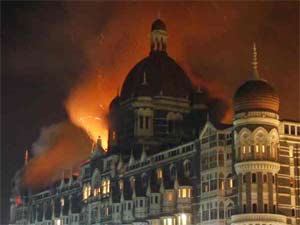
Pakistan's Interior Ministry has informed the Indian government that the evidence is not admissible in the trial of seven Pakistani suspects, including Lashkar-e-Taiba commander Zakiur Rehman Lakhvi, since defence lawyers were not allowed to cross-examine Indian officials when a Pakistani judicial commission visited Mumbai in March.
In a letter sent to the Indian government yesterday, the Interior Ministry cited the ruling of a Rawalpindi-based anti-terrorism court and said cross-examination of key Indian officials is needed to make the evidence admissible in Pakistan, The Express Tribune reported.
During a hearing on Jul 28, the anti-terrorism court did not record the statement of two Pakistani investigators who were scheduled to testify about the evidence provided by India. The judge ruled that since the evidence gathered by the Pakistani judicial commission in India had not been made part of the case, the testimony regarding the Indian evidence too should not be recorded.
The evidence provided by the Indian authorities includes the confessional statement of Ajmal Kasab, the lone surviving terrorist, a CD with intercepts of conversations between the attackers in Mumbai and their handlers in Pakistan, autopsy and medical reports of the dead and injured and the statements of four Indian officials. The Pakistani judicial commission had interviewed these four officials during the visit the Mumbai.
However, no cross-examination was allowed under an agreement between India and Pakistan.
Sources privy to the investigations by the Federal Investigation Agency told The Express Tribune that the Interior Ministry had made it clear to India that the evidence would not have any legal value in Pakistan if the Indian officials could not be cross-examined by lawyers representing the seven accused facing trial in Pakistan.
On Jul 17, the judge of the anti-terrorism court accepted Lakhvi's plea and declared the findings of the judicial commission "null and void".
The accused had challenged the legal value of the report of the judicial commission as their lawyers were not allowed to cross-examine Indian officials who provided evidence against them.
The seven suspects have been charged with planning, financing and executing the terror attacks in Mumbai that killed 166 people in Nov 2008.
Their trial has been hit by countless delays and the judge has been changed five times.
PTI



 Click it and Unblock the Notifications
 Sign in with Google