


US Iran War, Russia China Strategy, Middle East Power Play

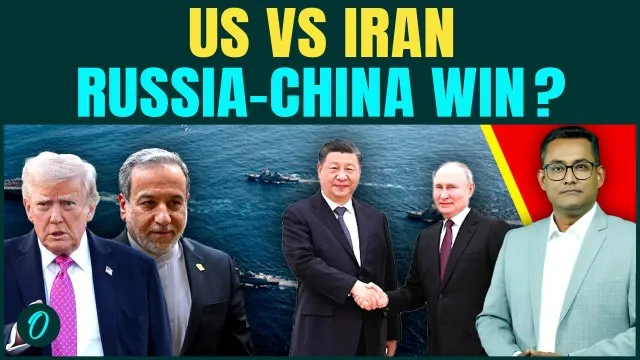
The US-Iran conflict is no longer just a battlefield story—it’s a geopolitical contest with deeper strategic players. While the United States and Israel remain directly engaged with Iran, Russia and China are shaping the outcome without firing a single shot. Iran’s Foreign Minister Abbas Araghchi has intensified diplomatic outreach, meeting key leaders across Pakistan, Oman, and Russia. In Moscow, President Vladimir Putin signalled strong support for Iran, highlighting a growing alignment amid global tensions. Reports suggest Russia is assisting Iran with intelligence sharing and military upgrades, including enhancements to drone capabilities. At the same time, the prolonged US engagement in the Gulf offers Moscow strategic breathing space, especially in its ongoing confrontation with the West. China’s approach is more calibrated. Multiple reports indicate Chinese cargo planes delivering defence-related equipment to Iran, even as Beijing publicly positions itself as a neutral mediator calling for ceasefire and stability in the Strait of Hormuz. This dual strategy—covert support with overt neutrality—allows China to secure its energy interests while avoiding direct confrontation. The larger picture points to a familiar patte . As the US remains engaged in prolonged conflict, rival powers gain strategic and economic advantage. This is not just a war—it is a test of global power balance, where the biggest winners may be those not visibly fighting it. Pankaj Mishra explains.


 Use current location

 Click it and Unblock the Notifications
 Sign in with Google