


Pattadakal, West bank of the Malaprabha River
West bank of the Malaprabha River, Karnataka

Pattadakal History and Significance
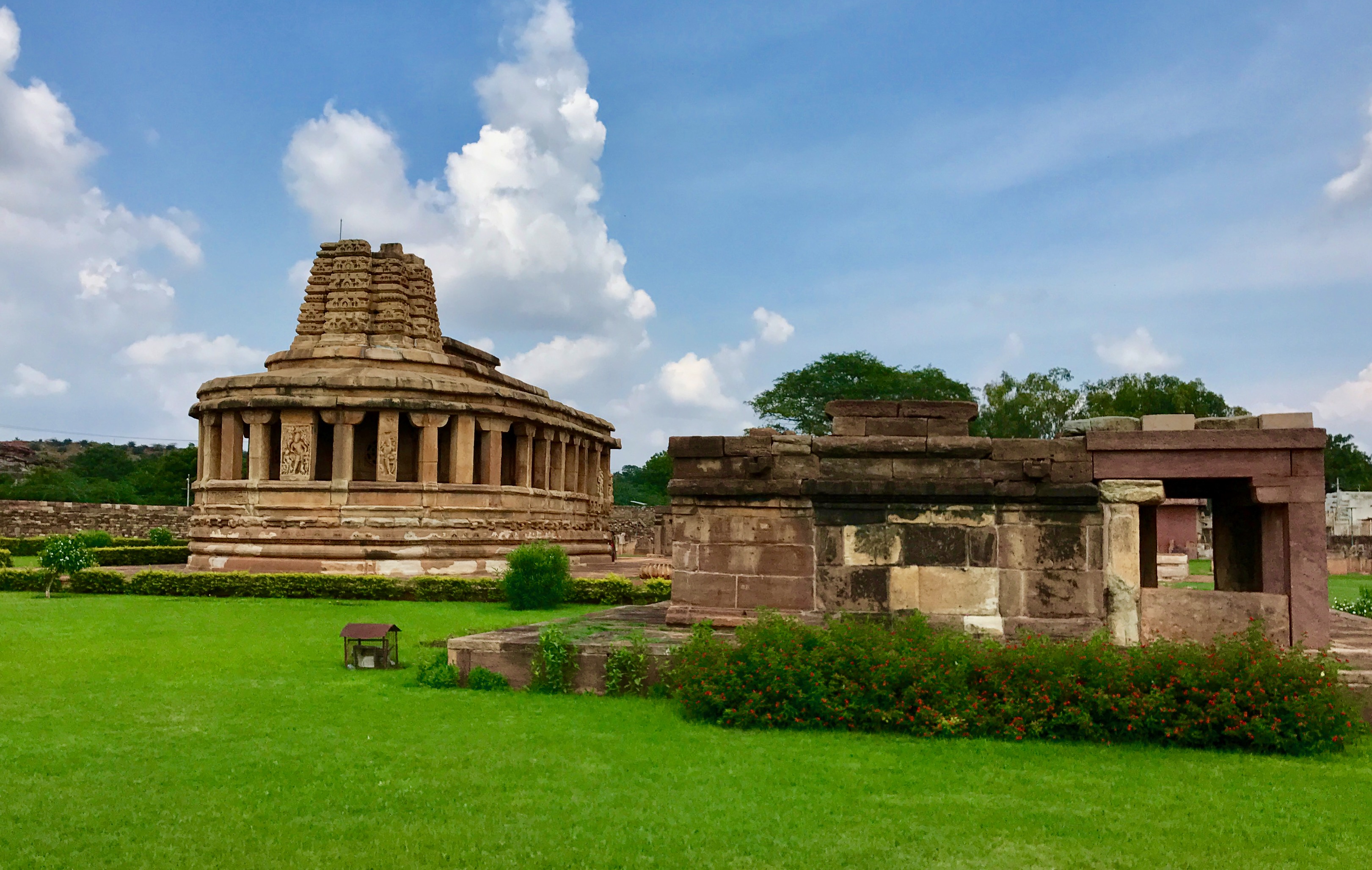
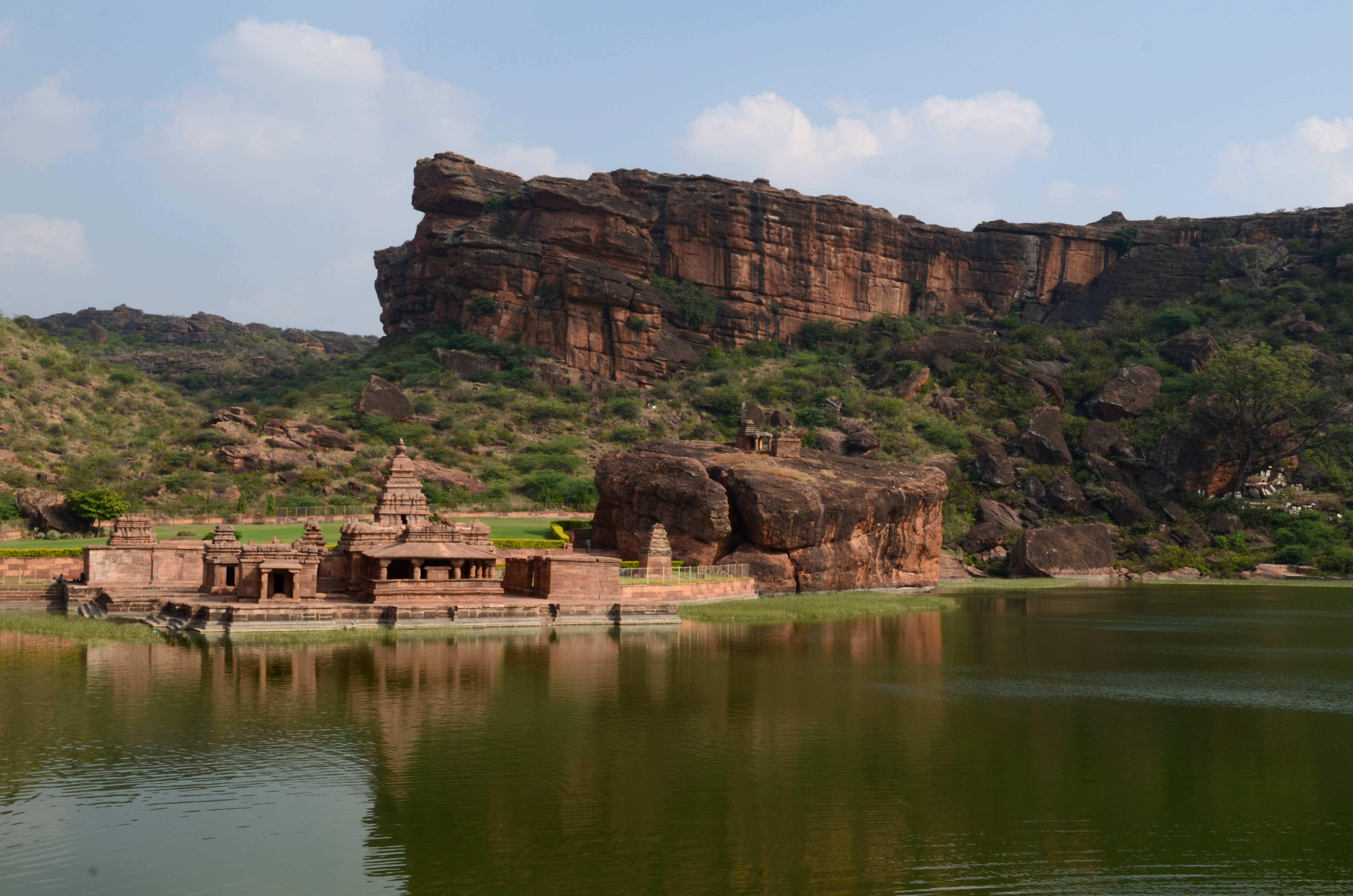
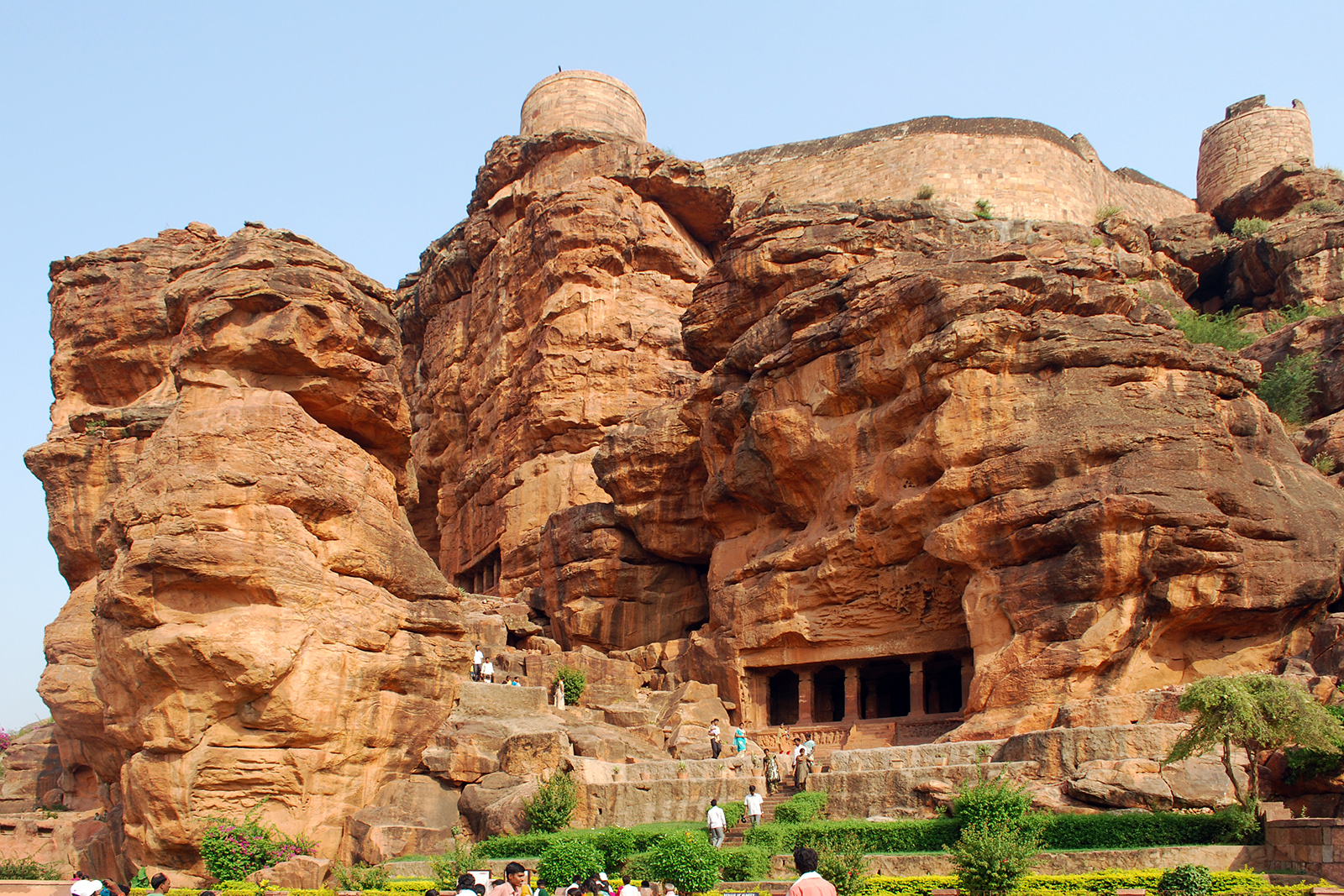
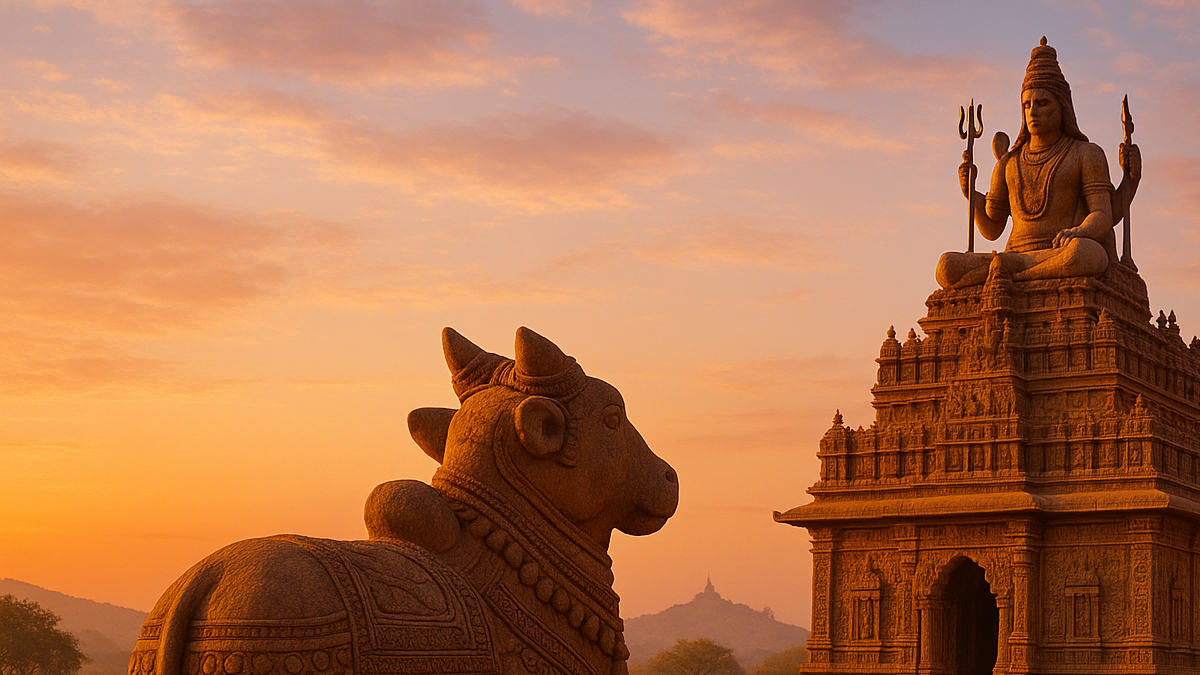
Pattadakal, also known as Raktapura, is a complex of 7th and 8th-century Hindu and Jain temples in northern Karnataka, India. It is a UNESCO World Heritage Site located on the west bank of the Malaprabha River in Bagalkot district. The site was used for coronation ceremonies during the Chalukya dynasty, such as that of Vinayaditya in the 7th century CE. The early rulers of the Chalukya were Vaishnavites and later converted to Shivaites, dedicating the temples to Lord Shiva. Pattadakal became a major cultural centre and religious site for architectural innovations and experimentation. The Chalukya empire constructed many temples in the Aihole-Badami-Pattadakal region during the 7th century. After the fall of the Chalukya Empire, the region was ruled by the Rashtrakuta kingdom and later by the Late Chalukyas. The monuments at Pattadakal are evidence of the interaction between northern and southern styles of Hindu arts.
Pattadakal Pooja Timing
| Pooja Name | Timings |
|---|---|
| Morning Abhishekam | 6:00 AM - 7:00 AM |
| Midday Pooja | 12:00 PM - 1:00 PM |
| Evening Aarti | 6:30 PM - 7:30 PM |
| Special Festival Pooja | Customizable based on festival dates and timings |
Pattadakal Location Details
How to Reach Pattadakal
By Road:
By Train:
By Air:
Badami is well-connected by road to major towns in Karnataka. State Transport Buses and private taxis operate regularly from cities like Hubli, Bagalkot, and Bijapur to Pattadakal.
Nearest railway stations: Badami Railway Station (approximately 22 km away) and Bagalkot Railway Station (approximately 40 km away). From these stations, buses or taxis are available to Pattadakal.
Nearest airport: Hubli Airport (approximately 130 km away). From the airport, you can take a taxi or bus to Badami, which is the closest town to Pattadakal.
Pattadakal Visitor Information & Tips
Best time to visit (season/months):
October to March is the best time to visit Pattadakal. The weather during this period is pleasant and ideal for exploring the temple complex. Avoid the monsoon season (June to September) due to heavy rainfall that may hinder travel.
Other Shiva Temples
Pattadakal Interesting Facts
-
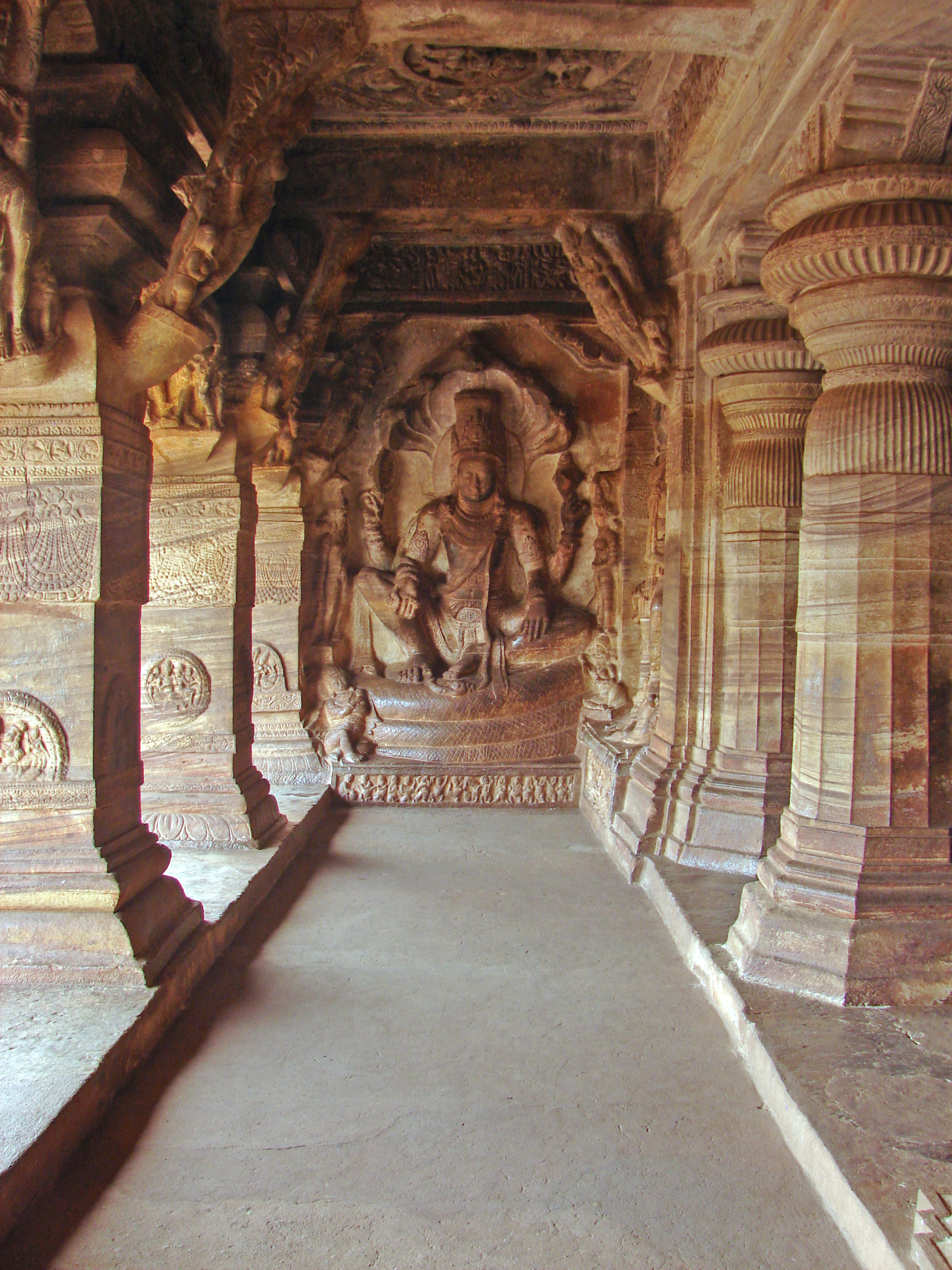
Legends BeliefsUNESCO describes Pattadakal as a harmonious blend of architectural forms from northern and southern India. The Hindu temples are generally dedicated to Shiva, but elements of Vaishnavism and Shaktism theology and legends are also featured. The friezes in the Hindu temples display various Vedic and Puranic concepts, depicting stories from the Ramayana, the Mahabharata, the Bhagavata Purana, as well as elements of other Hindu texts, such as the Panchatantra and the Kirātārjunīya. The Jain temple is dedicated to a single Jina.
-
Deities and Sub DeitiesThe main deity worshipped at Pattadakal is Shiva, with temples dedicated to him. Elements of Vaishnavism and Shaktism are also present, with depictions of various deities and legends. The Jain temple is dedicated to a single Jina. The temples feature intricate carvings and sculptures of various Hindu deities, including Vishnu, Surya, and Lakulisha, as well as depictions of Vedic and Puranic concepts.
-
OfferingsOfferings at the temples include traditional rituals and prayers dedicated to the deities. The Virupaksha temple, an active house of Hindu worship, continues to host religious ceremonies and rituals. The temples are adorned with intricate carvings and sculptures, which are offerings of devotion and artistic expression by the artisans and patrons who built them.
-
ArchitectureThe Pattadakal monuments reflect a fusion of two major Indian architectural styles: the Rekha-Nagara-Prasada from north India and the Dravida-Vimana from south India. The temples are built using locally sourced sandstone and feature intricate carvings and sculptures. The Virupaksha temple is the largest and most sophisticated, showcasing a well-developed Dravidian architectural style. The Papanatha temple is noted for its novel mixture of Dravida and Nagara styles. The Jain Narayana temple features a square sanctum, a circumambulatory path, and a mantapa with lathe-turned sandstone pillars.
-
FestivalsThe temples at Pattadakal host various Hindu festivals and religious ceremonies, celebrating the deities and legends depicted in the carvings and sculptures. The Virupaksha temple, being an active house of worship, is a focal point for these celebrations. The festivals often include traditional rituals, prayers, and offerings, attracting devotees and visitors from the surrounding regions.
-
Religious PracticesThe religious practices at Pattadakal include traditional Hindu rituals and ceremonies dedicated to the deities worshipped at the temples. The Virupaksha temple, an active house of worship, hosts regular prayers and rituals. The temples are adorned with intricate carvings and sculptures, which serve as a testament to the devotion and artistic expression of the artisans and patrons who built them. The site is a significant example of the religious and cultural heritage of the region, reflecting the diverse traditions and beliefs of the time.
FAQ's
Where is the Pattadakal located?
Which God is Shiva?
What is the best time to visit Pattadakal?
How to reach Pattadakal from near City or Town?
In Karnataka




Near By Temples
-
 Sign in with Google
-
Block for 8 hours
-
Block for 12 hours
-
Block for 24 hours
-
Don't block


 Click it and Unblock the Notifications
Informed.
- Male
- Female
- Others
- Under 18
- 18 to 25
- 26 to 35
- 36 to 45
- 45 to 55
- 55+