


Dirgheshwari temple, North Guwahati
North Guwahati, Assam

Dirgheshwari temple History and Significance
Dirgheswari Temple, a Shakti Peetha, is renowned for its annual Durga Puja celebrations.Dirgheswari Temple, a significant Shakti Peetha in Assam, has been a revered site for Shakti worship. According to legend, when Sati died, Lord Shiva carried her body in grief until Lord Vishnu used his Sudarshan Chakra to scatter her remains across the world. While her genitals fell on Nilachal Hill, where Kamakhya Temple stands, another part fell on Sitachal Hill, making it sacred. The temple also holds footprints believed to be of Goddess Durga. Sage Markandeya is said to have performed intense penance here, leading to the goddess granting him blessings, further elevating Dirgheswari's spiritual significance.The footprints at Dirgheswari Temple are believed to be of Goddess Durga.Locals regard it as the second holiest site after Kamakhya Temple.
Dirgheswari Mandir, built by Ahom king Swargadeo Siva Singha, stands atop a rocky hill on the northern banks of the Brahmaputra. Made of bricks, its Garbha-griha is an underground cave. A rock inscription credits Siva Singha and Viceroy Tarun Duwarah Barphukan for its construction. In 1756 CE, King Rajeswar Singha visited, granting lands and a silver Japi, still used to cover Devi Durga's idol.
Dirgheshwari temple Pooja Timing
| Pooja Name | Timings |
|---|---|
| Mangala Aarti | 5:00 AM |
| Shringar Darshan | 8:00 AM |
| Rajbhog Aarti | 12:00 PM |
| Sandhya Aarti | 6:30 PM |
Dirgheshwari temple Location Details
How to Reach Dirgheshwari temple
By Road:
By Train:
By Air:
North Guwahati is well-connected by road to major towns in Assam. State Transport Buses and private taxis operate regularly.
Nearest railway stations: Guwahati Railway Station and Kamakhya Junction. From these stations, buses or taxis are available to North Guwahati.
Nearest airport: Lokpriya Gopinath Bordoloi International Airport, Guwahati. From the airport, you can take a taxi or bus to North Guwahati via connecting cities.
Dirgheshwari temple Nearby Temples
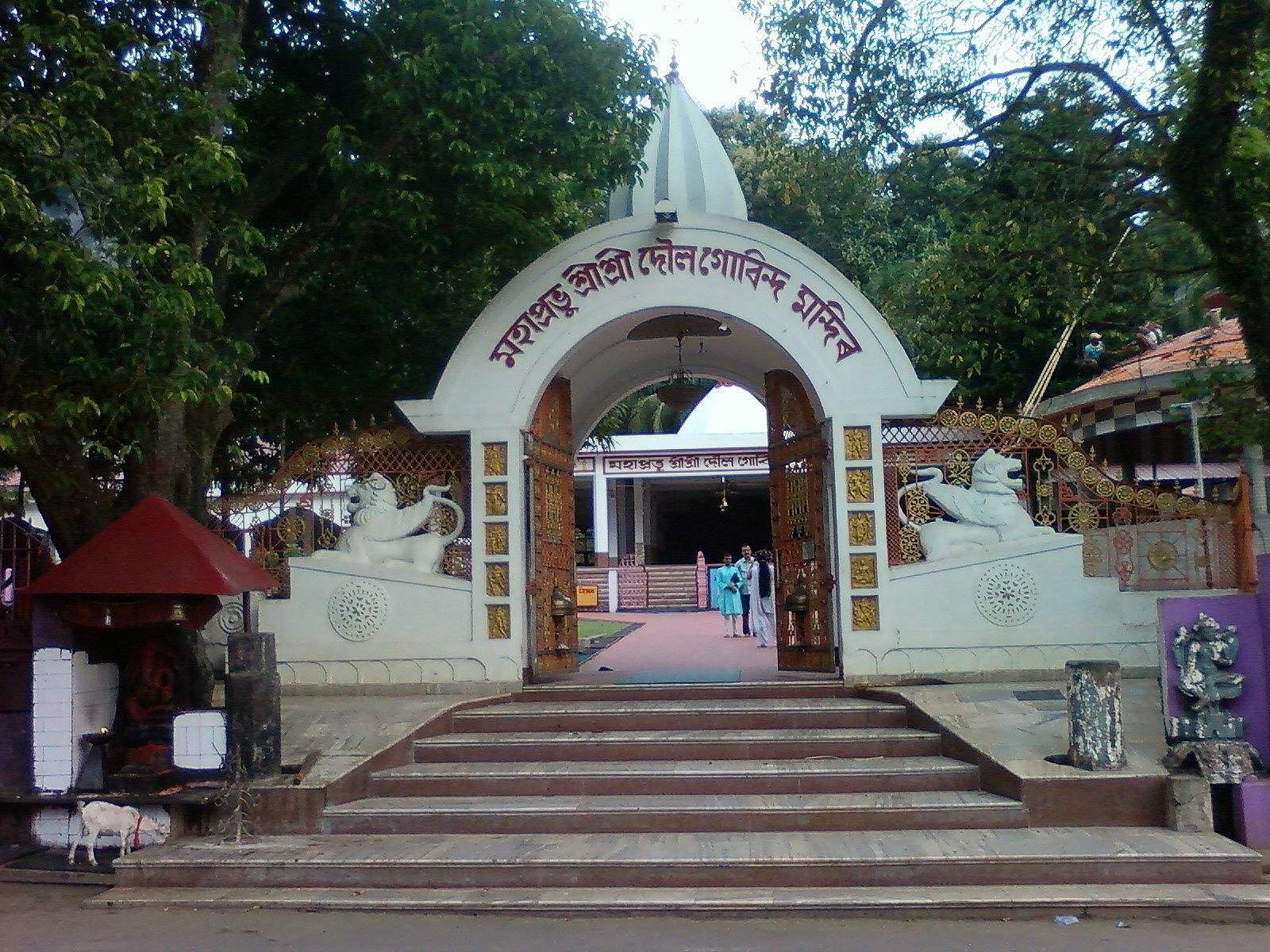
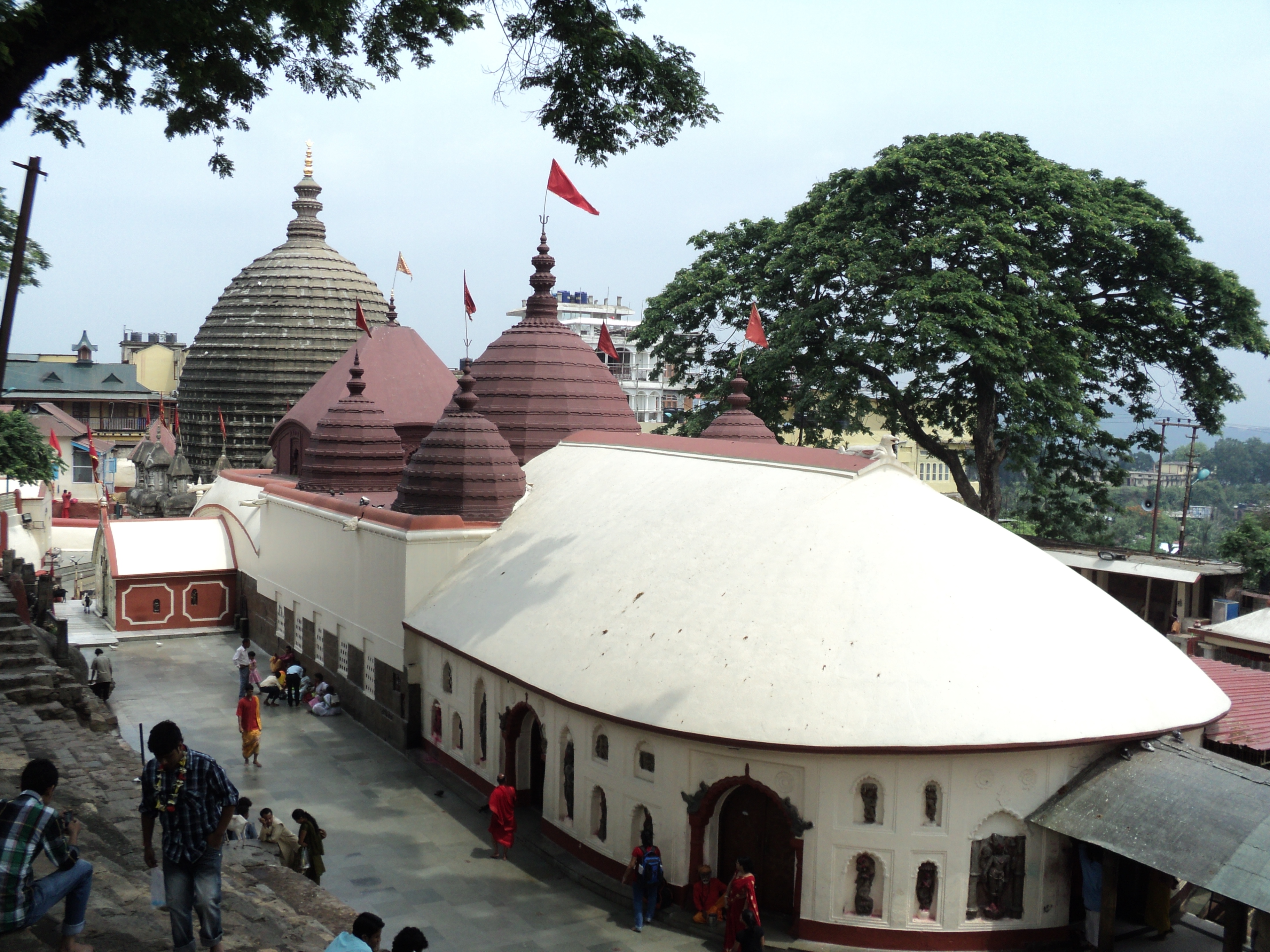
Dirgheshwari temple Visitor Information & Tips
Best time to visit (season/months):
October to March. Avoid the monsoon season due to landslides and heavy rainfall. Winters: The temple may be closed during heavy fog or extreme weather conditions.
Dirgheshwari temple Interesting Facts
-
Legends BeliefsDirgheswari is a revered Shakti worship site in Assam. According to legend, a part of Sati's body fell on Sitachal Hill after Lord Vishnu's Sudarshan Chakra scattered her remains, making the site sacred. Sage Markandeya also meditated here and received blessings from Goddess Durga.
-
Deities and Sub DeitiesDirgheswari Mandir is dedicated to Sati, a form of Goddess Durga, and also houses depictions of other deities. A prominent rock engraving of Lord Ganesha adorns the entrance, as devotees believe prayers should be offered to him first before any rituals.
-
OfferingsAnimal sacrifice, particularly of buffaloes, is an important ritual during Durga Puja at Dirgheswari Mandir. Devotees from far and wide gather to witness the ceremonies and offer prayers to Goddess Durga.
-
ArchitectureBuilt with bricks atop a rocky hill, Dirgheswari Mandir is a remarkable example of Hindu architecture. Its Garbha-griha lies underground in a small cave. To accommodate more pilgrims, the temple compound was expanded, requiring the removal of part of the original brick wall.
-
FestivalsDurga Puja is the main festival at Dirgheswari Mandir, drawing devotees from afar. The celebrations feature traditional rituals and animal sacrifices, which play a vital role in the temple's worship practices.
-
Religious PracticesRenowned for Shakti worship and animal sacrifices during Durga Puja, Dirgheswari Mandir holds great spiritual significance. Devotees believe that visiting both Kamakhya Temple and Dirgheswari Mandir grants the complete blessings of Devi Durga. It is considered the second holiest site after Kamakhya Temple.
FAQ's
Where is the Dirgheshwari temple located?
Which God is Sati?
What is the best time to visit Dirgheshwari temple?
How to reach Dirgheshwari temple from near City or Town?
Near By Temples
-
 Sign in with Google
-
Block for 8 hours
-
Block for 12 hours
-
Block for 24 hours
-
Don't block


 Click it and Unblock the Notifications
Informed.
- Male
- Female
- Others
- Under 18
- 18 to 25
- 26 to 35
- 36 to 45
- 45 to 55
- 55+