


The phone in your child's hand is reshaping their eyes — permanently
Paediatricians are diagnosing myopia in children as young as two. The culprit isn't books or television — it is the small, bright, hand-held screen that has become India's most popular pacifier. And every summer, it gets

It begins innocuously. A toddler handed a phone to stay quiet at dinner. A five-year-old watching cartoons on a tablet while a parent works. A seven-year-old whose school shifted homework to an app. None of these moments feel like a crisis — but ophthalmologists say they are accumulating into one, and the damage they are causing to young eyes may be irreversible.
"We are seeing myopia cases in children as young as two. High screen time and complete indoor isolation have driven this surge in a way we have never seen before."
— Senior paediatric ophthalmologist, referral hospital, South Indiahrs
hrs
Doctors say India's policy gap is now a public health liability. The speed at which affordable smartphones have penetrated even rural households means the myopia wave building in Indian children is unlike anything seen before. The question is no longer whether to act, but how fast — and whether the country will move before an entire generation locks in permanent damage.
What parents can do today: Put the phone further away, or put it down. Take your child outside for at least an hour each morning. This summer, when the heat peaks and the phone beckons, remember — every hour spent indoors on a screen is an hour the eye is changing shape. That change is permanent. Book an eye test if your child is over three and hasn't had one. If they squint at the television from the sofa — it may already be too late to prevent the damage, but not too late to slow it.
-
 Asha Bhosle Health Update: Playback Singer Suffers Cardiac Arrest, Admitted to ICU at Breach Candy Hospital
 -
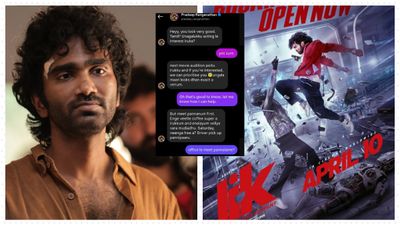 Pradeep Ranganathan's Chat With Actress Leaked Online Ahead of LIK Release?
 -
 West Bengal electoral roll deletions under SIR raise wider rights concerns, say Bhushan and Yadav
 -
 5 Minutes Jana Nayagan Movie Clip Leaked Online? Vijay Fans Alert KVN Productions
 -
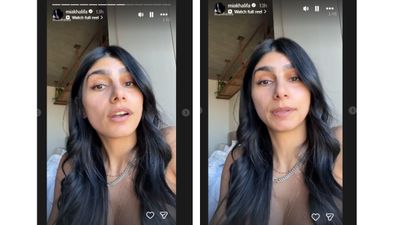 Mia Khalifa Viral Video: Lebanon Model, Actor Breaks Down In Latest Instagram Post After Israel Strikes
 -
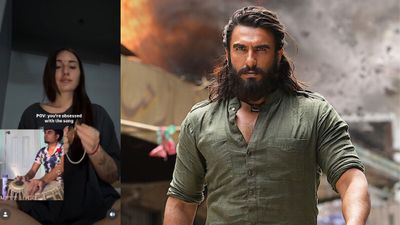 Ukrainian Woman Performs ‘Dhurandhar’ Song in Bhajan Style, Internet Reacts
 -
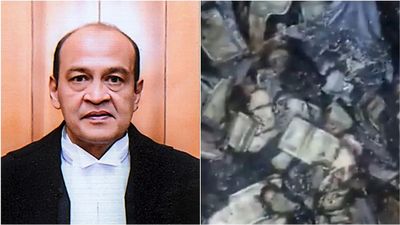 Justice Yashwant Varma Resigns From Allahabad HC, Halting Rare Impeachment Proceedings In Parliament
 -
 Leaked Jana Nayagan Full Movie in HD? TamilMv Piracy Site Deletes Link, Vijay Fans Urge Not To Download
 -
 Stung! A Jolt To BJP Ahead Of West Bengal Polls? Kabir Fallout May Undo Minority Vote Split
 -
 Kerala Girl Found Dead In Chikkamagaluru's Manikyadhara, Body Recovered From 2,000-Ft Gorge
 -
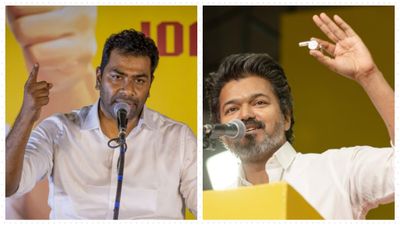 Jana Nayagan Leak: BJP, DMK Released Vijay's Film Online, Aadhav Arjuna's Big Claims
 -
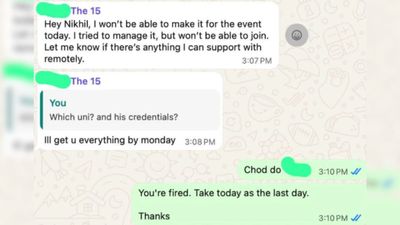 Gurugram Startup Founder Fires Employee Over WhatsApp, Says ‘Consider Today Your Last Day’; Netizens React





 Click it and Unblock the Notifications
 Sign in with Google