


How To Choose The Right Moisturizer For Your Skin Type: 10 Tips For A Glowing Skin


Finding the perfect moisturizer can be a daunting task with so many options available in the market. However, choosing the right one is crucial for maintaining healthy, glowing skin. The right moisturizer can hydrate, protect, and nourish your skin, while the wrong one can lead to breakouts, irritation, or dryness.
Knowing your skin type and its specific needs is the first step towards selecting the best moisturizer. Here are 10 essential tips to help you choose the right moisturizer for your skin type.

1. Identify Your Skin Type
Before selecting a moisturizer, it's essential to know your skin type. Common skin types include normal, dry, oily, combination, and sensitive. Each type has unique characteristics and requires different types of care.
- Normal Skin: Balanced, not too oily or dry.
- Dry Skin: Often feels tight and may have flaky areas.
- Oily Skin: Shiny, with a tendency to develop acne and enlarged pores.
- Combination Skin: Oily in some areas (like the T-zone) and dry in others.
- Sensitive Skin: Easily irritated, prone to redness and inflammation.
Understanding your skin type will guide you towards ingredients and formulations that are most beneficial for your specific needs.
2. Read the Ingredients List
The ingredients list on a moisturizer can tell you a lot about its suitability for your skin. Look for key ingredients that match your skin type's needs.
- Dry Skin: Look for ingredients like hyaluronic acid, glycerin, and ceramides that attract and lock in moisture.
- Oily Skin: Opt for oil-free and non-comedogenic ingredients like salicylic acid, niacinamide, and lightweight hydrators like aloe vera.
- Sensitive Skin: Seek out calming ingredients like chamomile, aloe vera, and oat extract, and avoid fragrances and alcohol.
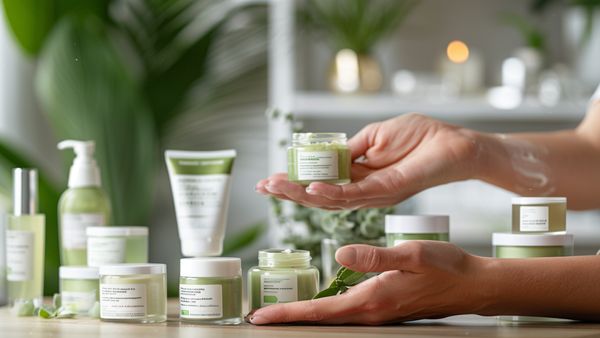
3. Consider the Texture
The texture of a moisturizer can significantly impact its effectiveness and comfort on your skin.
- Dry Skin: Cream-based moisturizers provide rich hydration.
- Oily Skin: Gel or water-based moisturizers offer lightweight hydration without clogging pores.
- Combination Skin: Use a lightweight moisturizer for oily areas and a richer cream for dry areas, or opt for a balanced lotion that addresses both concerns.
4. Check for SPF
Sun protection is vital for maintaining healthy skin. A moisturizer with built-in SPF can save you time and ensure you're protected from harmful UV rays.
Daily Use: Look for a moisturizer with at least SPF 30 to protect against daily sun exposure.
Outdoor Activities: If you spend a lot of time outdoors, choose a higher SPF or apply a separate sunscreen.5. Avoid Harmful Ingredients
Certain ingredients can cause irritation or exacerbate skin issues, especially for sensitive skin types.
Avoid: Fragrances, alcohols, parabens, sulfates, and synthetic dyes, which can irritate the skin.
Look for: Hypoallergenic and non-comedogenic labels to minimize the risk of irritation and breakouts.6. Patch Test Before Full Use
To avoid adverse reactions, always patch test a new moisturizer before applying it to your entire face.
How to Patch Test: Apply a small amount of the product to a discreet area, such as behind your ear or on your inner forearm. Wait 24-48 hours to check for any signs of irritation or allergic reaction.
7. Consider Seasonal Changes
Your skin's needs can change with the seasons, so it's essential to adjust your moisturizer accordingly.
- Winter: Colder, drier air can strip moisture from your skin, so opt for a richer, more emollient moisturizer.
- Summer: Hot, humid weather can make your skin oilier, so choose a lighter, gel-based moisturizer.
8. Listen to Your Skin
Pay attention to how your skin responds to different products and adjust your skincare routine as needed.
- Dryness or Flakiness: Indicates a need for more hydrating or richer formulations.
- Breakouts or Oiliness: Suggests the need for lighter, oil-free products.
9. Consult a Dermatologist
If you have persistent skin issues or are unsure about which products to use, consulting a dermatologist can provide personalized advice.
A dermatologist can recommend specific products or ingredients based on your skin type and concerns. For conditions like eczema, rosacea, or severe acne, a dermatologist can prescribe treatments and recommend appropriate moisturizers.10. Consider Your Overall Skincare Routine
Your moisturizer should complement the other products in your skincare routine for optimal results.
Layering: Apply moisturizer after serums and before sunscreen or makeup.
Compatibility: Ensure your moisturizer works well with other products to avoid pilling or reduced effectiveness.So, select the perfect moisturizer for your skin type, to ensure that your skin stays hydrated, protected, and glowing year-round.



 Click it and Unblock the Notifications
 Sign in with Google