


Europe Divided Over Israel-Iran Conflict: See Reactions


The Middle East has been plunged into a state of high-intensity warfare following a massive joint military operation by the United States and Israel against Iran. On March 1, the campaign-which included B-2 stealth bombers and 2,000-pound munitions-targeted Tehran's ballistic missile sites, naval assets, and internal security headquarters.
This escalation follows the killing of Supreme Leader Ayatollah Ali Khamenei, an event that has fundamentally shifted the geopolitical landscape.
AI-generated summary, reviewed by editors

The human cost has been immediate and severe. Iranian officials report over 200 deaths, while Tehran's retaliatory missile strikes on Israel and Gulf states have claimed the lives of three U.S. service members in Kuwait and at least 11 people in Israel, including nine at a synagogue in Beit Shemesh.
A Continent Divided: The European Response
As EU foreign ministers gathered for an emergency session on Sunday night, their reactions revealed a complex spectrum of support, caution, and outright condemnation.
1. The Pro-Democracy and "Opportunity" Camp
Many Northern and Eastern European nations viewed the strikes-and specifically the death of Khamenei-as a potential turning point for the Iranian people.
Estonia, Latvia, and Lithuania issued the most celebratory statements, with Latvian Foreign Minister Baiba Braže stating the world would "shed no tears" for the Ayatollah. They framed the moment as a chance for Iran to decouple from its military support of Russia.
Austria, Czechia, and Romania echoed this sentiment, suggesting the regime's decapitation "opens a window" for a new era of Iranian prosperity and an end to its nuclear ambitions.
2. The Strategic Realists (Germany, France, and the UK)
The "E3" powers-Germany, France, and the United Kingdom-have navigated a delicate middle ground. While they initially clarified they were not participants in the opening strikes, their stance shifted as the conflict widened.
Germany: Chancellor Friedrich Merz expressed concern over an "Iraq-style quagmire" but notably refrained from lecturing Washington, citing the need for U.S. support in the Ukraine conflict.
France: President Emmanuel Macron called the Iranian retaliation "disproportionate" and signaled a readiness to deploy French resources to protect regional partners.
The UK: Prime Minister Keir Starmer went furthest among the trio, suggesting limited British assistance could be provided to "destroy Iran's capability to fire missiles and drones at their source."
3. The Voices of De-escalation and Dissent
The most vocal opposition to the military campaign came from Spain. Prime Minister Pedro Sánchez stood alone as the only EU leader to explicitly reject the "unilateral military action" by the U.S. and Israel, calling for an immediate return to international law and dialogue.
Meanwhile, Italy and Slovenia have adopted more neutral, operational stances. Prime Minister Giorgia Meloni focused on the formation of a "Gulf Task Force" to manage regional stability rather than issuing moral judgements on the strikes.
The conflict now sits at a volatile crossroads. While the U.S. "America First" administration has demonstrated a startling willingness to engage in high-stakes kinetic warfare, the European Union remains a patchwork of reactions. Some see the end of a "hateful regime," while others fear the birth of another "forever war" that could destabilize the global economy and security for decades.
-
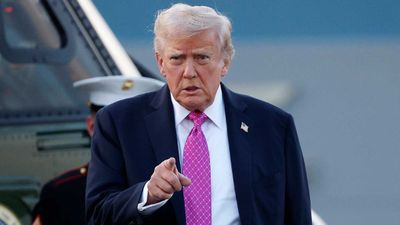 What Is The ‘Stone Age’ Warning Donald Trump Issued To Iran? Says ‘No Deal, No Mercy’
 -
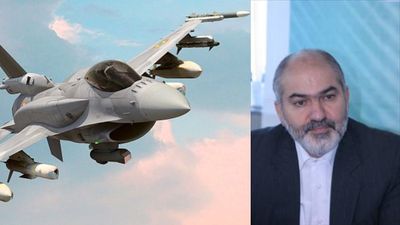 US Confirms Fighter Jet Downed Over Iran, Tehran Announces Reward For Those Who Find Crew
 -
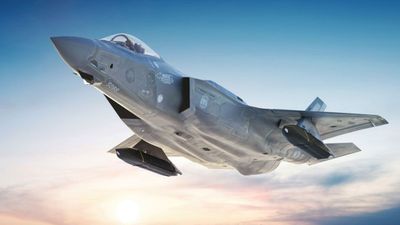 US Pilot Reportedly Ejects In Southwest Iran Amid Fresh Iranian Claims Of F-35, F-15E Downing
 -
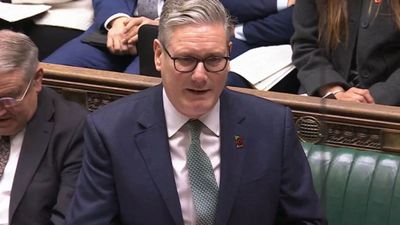 UK To Host 35-Nation Talks To Reopen Strait Of Hormuz Amid Oil Crisis
 -
 Stock Market Crashes As Sensex Falls Over 1,400 Points After Trump’s Iran War Warning, Oil Prices Surge
 -
 US-Sanctioned Iranian Tanker Diverts from India to China Mid-Voyage
 -
 Iran Shoots Down Second US F-35 Fighter Jet, Pilot Survival Unlikely
 -
 Iran Names 8 Gulf, Jordan Bridges as Possible Targets After Deadly Karaj Strike
 -
 School Assembly News Headlines Today April 03: Top National, International, Sports, Business News
 -
 We're The Only Country To Lose Mariners At Strait of Hormuz: India At UK-led West Asia Meet On Iran Crisis
 -
 Centre Plans ₹2.5 Lakh Crore Credit Shield for Businesses Facing Iran Conflict Fallout
 -
 Petrol Price India Vs Pakistan: Why Fuel Is Cheaper In India Than Pak Despite Global Crisis



 Click it and Unblock the Notifications
 Sign in with Google