Get Updates
Get notified of breaking news, exclusive insights, and must-see stories!

Indian Freedom Struggle: Timeline of National Movement of India
Timeline till First War of Independence
1498
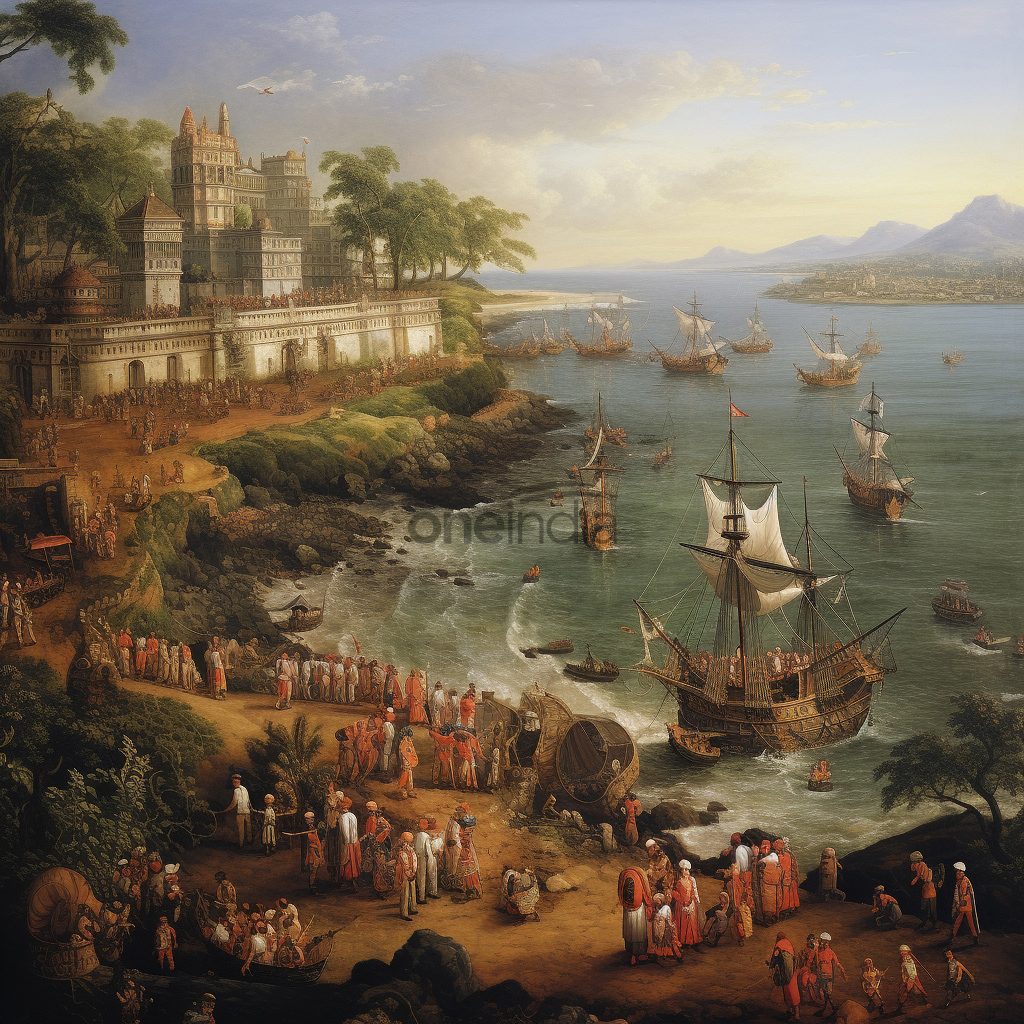
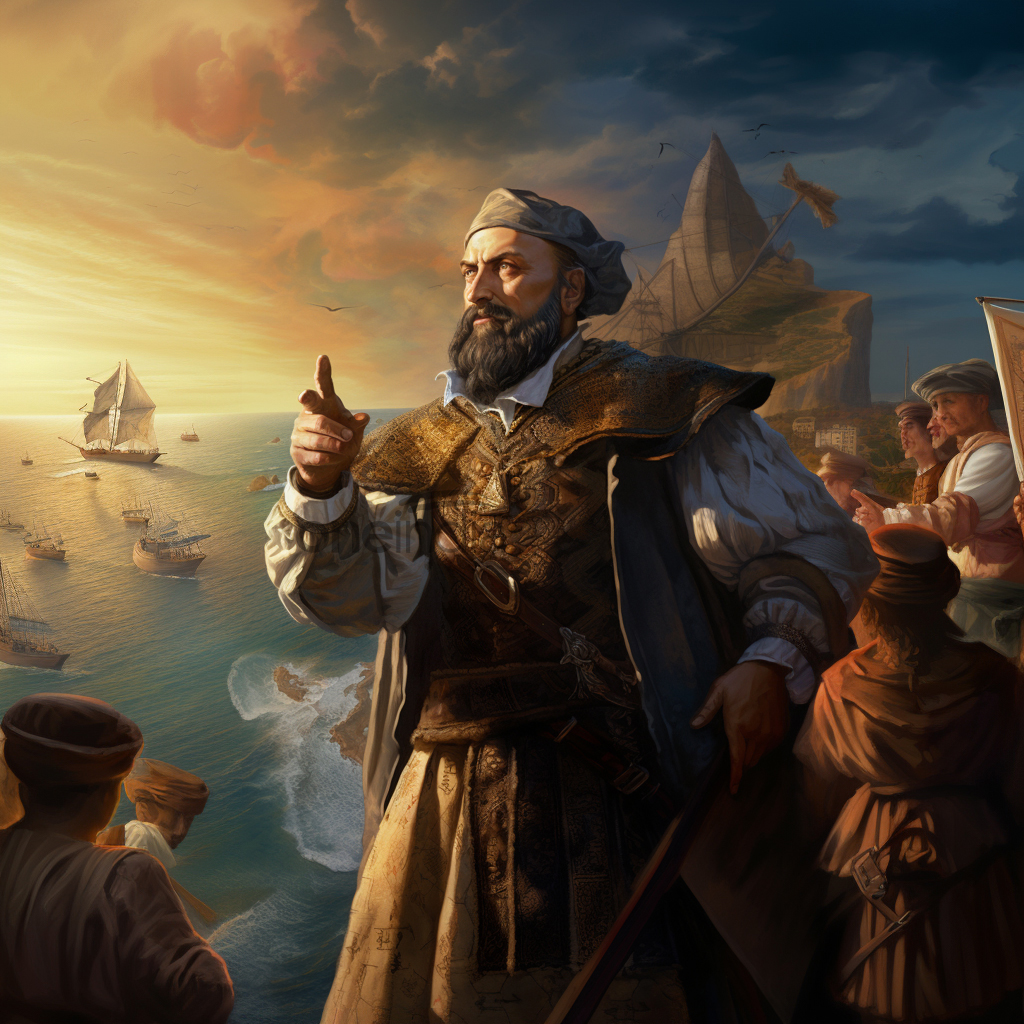
Portuguese explorer Vasco da Gama reaches the Indian subcontinent, establishing direct sea routes between Europe and India.
1600
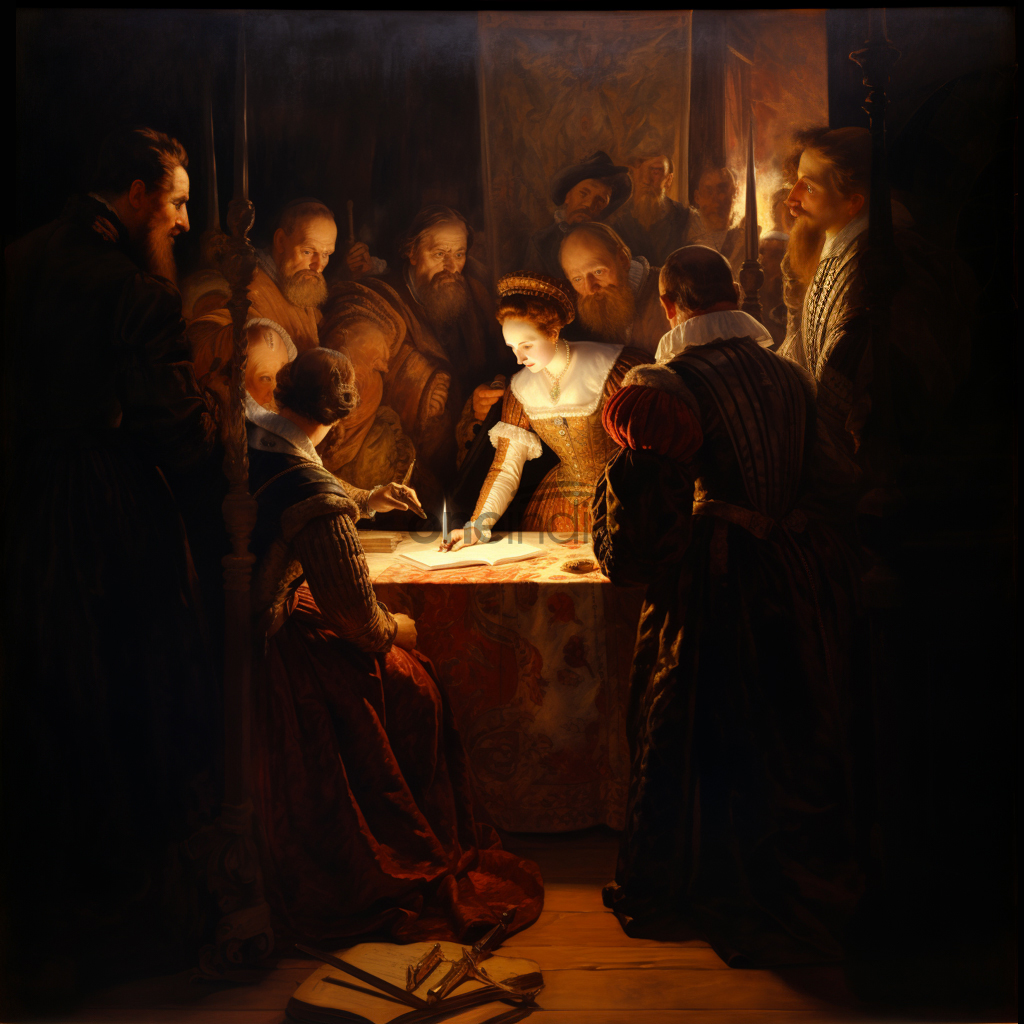
The British East India Company is established, receiving a royal charter from Queen Elizabeth I to trade with India and other parts of Asia.
1608
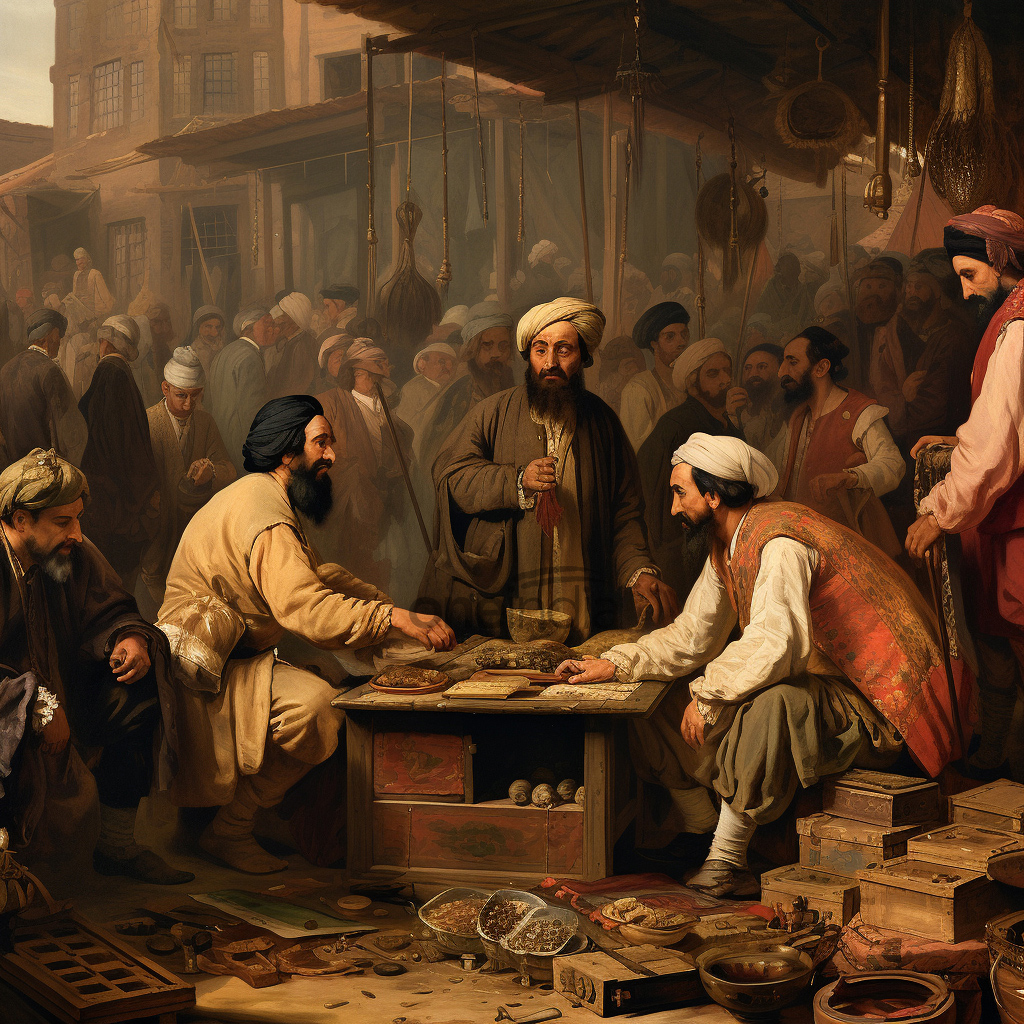
British merchants set up the first British trading post in India at Surat.
1640
The British acquire the island of Bombay (now Mumbai) from the Portuguese as part of the dowry of Catherine of Braganza, who marries King Charles II of England.
1757
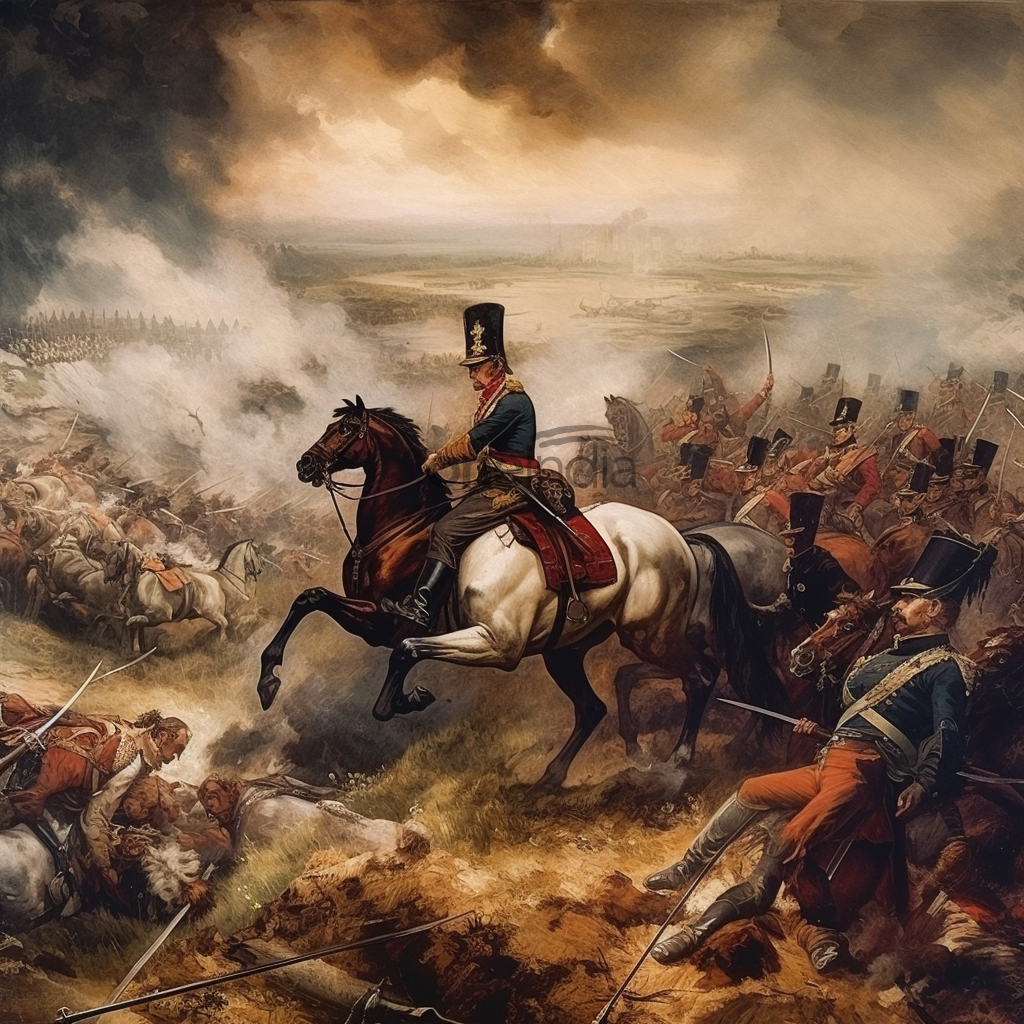
The Battle of Plassey takes place, and the British East India Company defeats the Nawab of Bengal, gaining control over Bengal, Bihar, and Orissa.
1764
The British East India Company secures control over large parts of South India after the Battle of Buxar.
1773
The Regulating Act is passed by the British Parliament, making the Governor-General of Bengal the Governor-General of India.
1784
The Pitt's India Act is enacted, further regulating the governance of British India and creating a Board of Control to oversee Indian affairs.
1818
The British East India Company gains control over the Maratha territories after the Third Anglo-Maratha War, further expanding their territorial influence.
1853
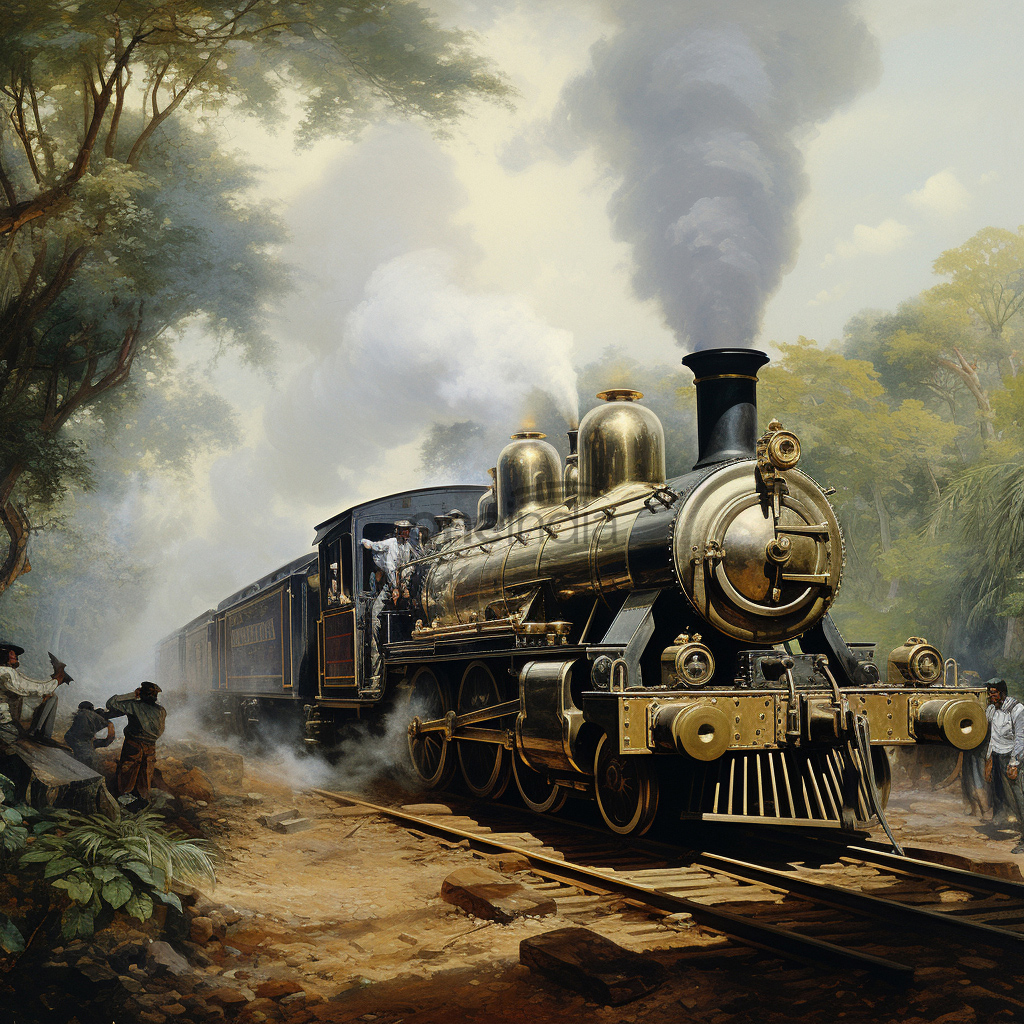
The first railway line is opened between Mumbai and Thane, initiating the development of India's railway network.
1857
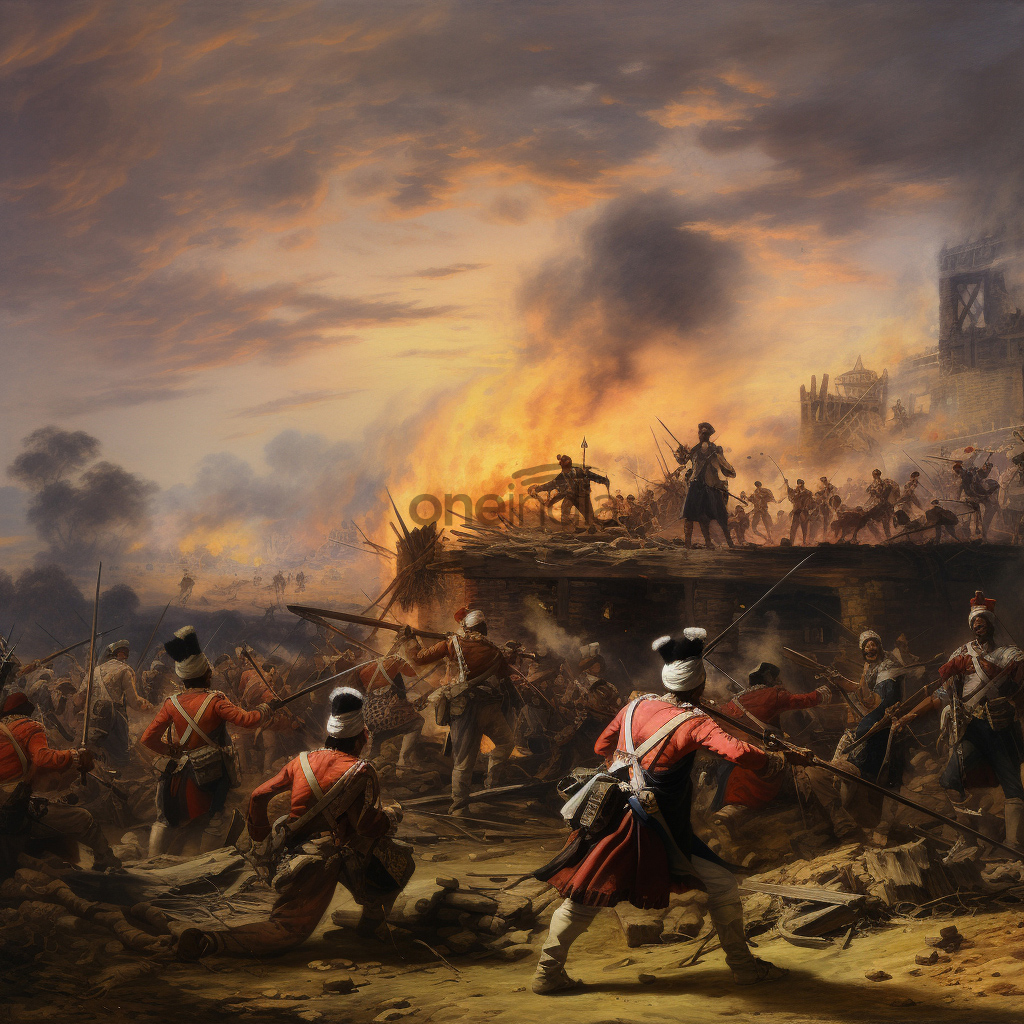
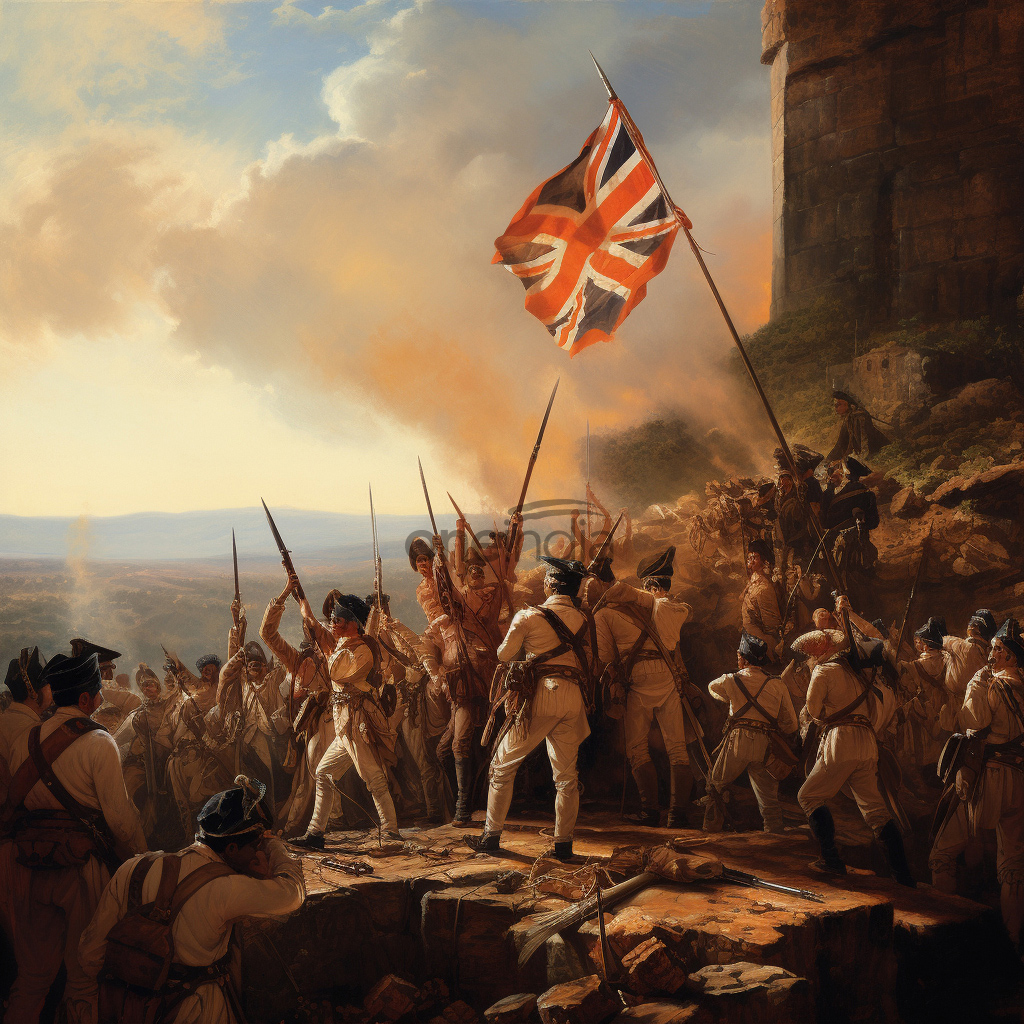
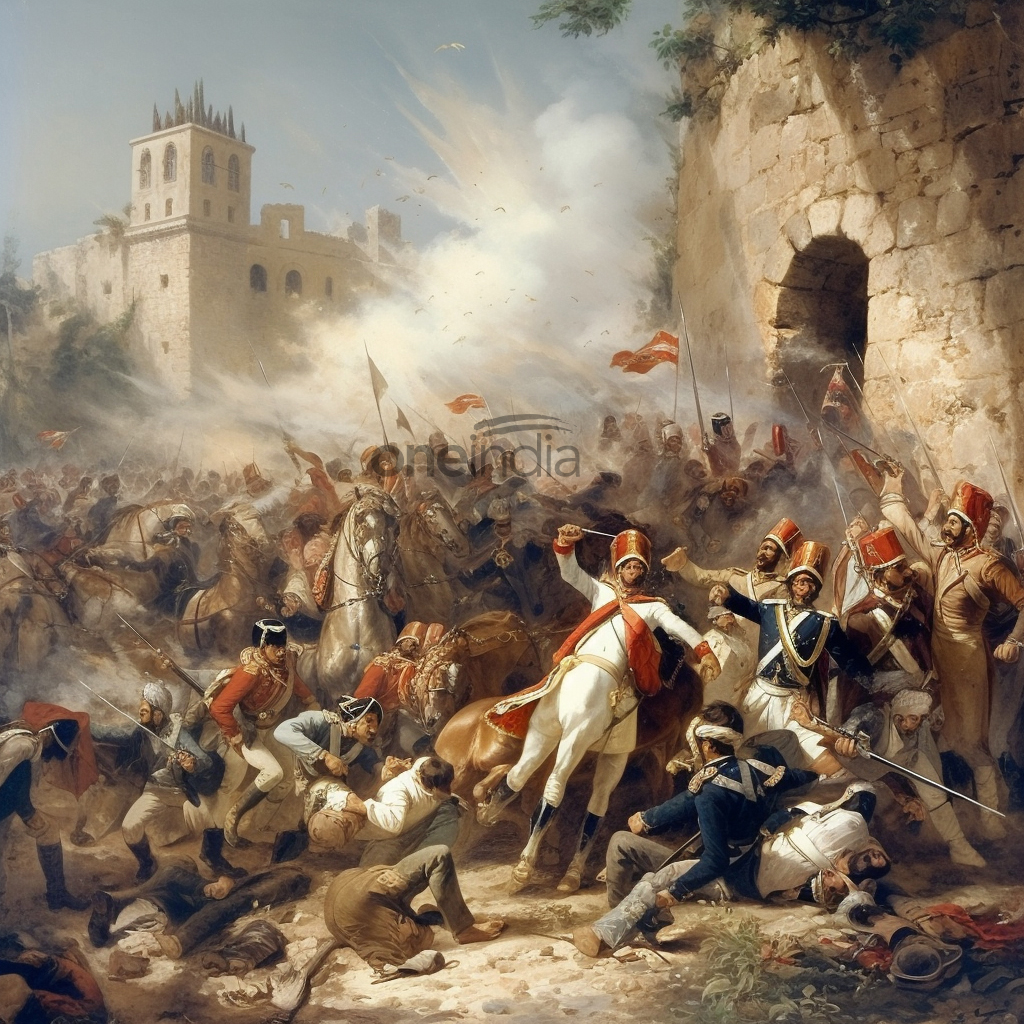
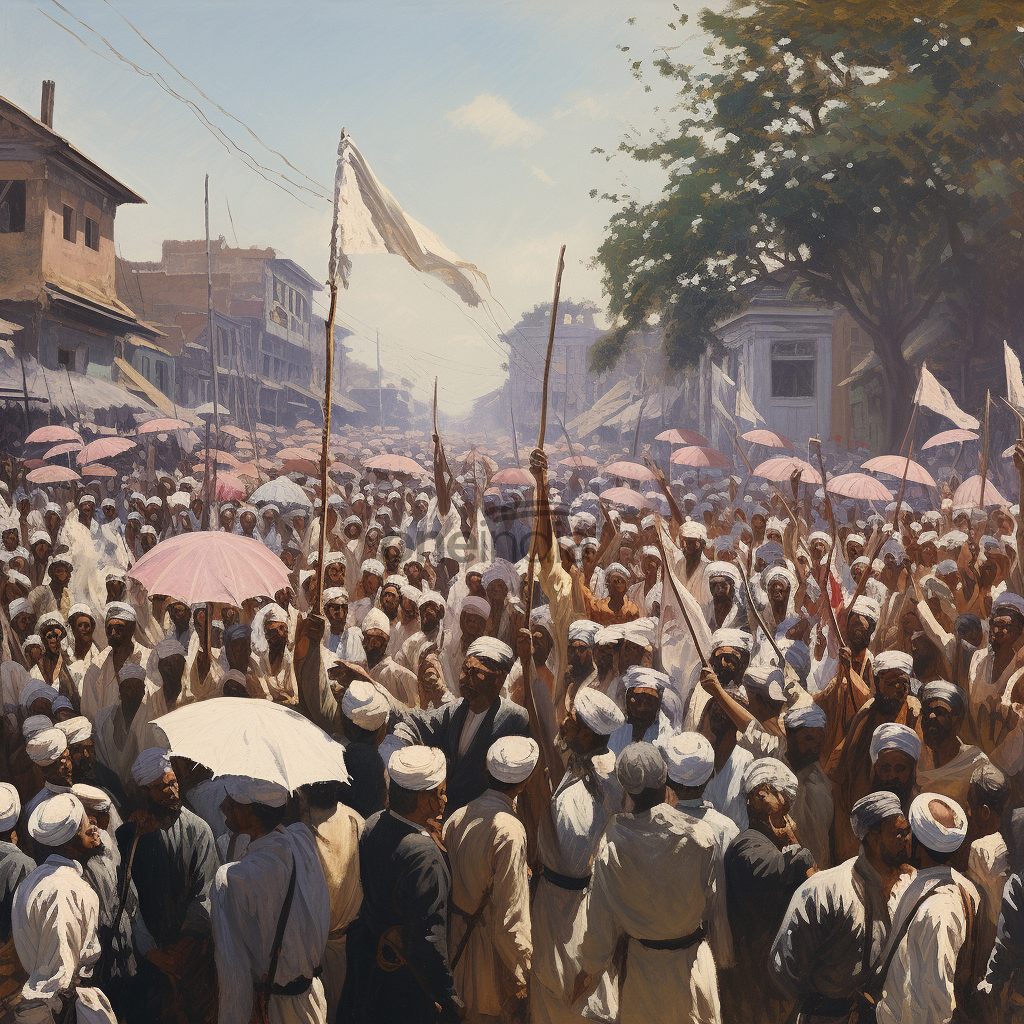
The Indian Rebellion, also known as the Sepoy Mutiny or First War of Independence, takes place, marking the first major armed resistance against British rule.
1858
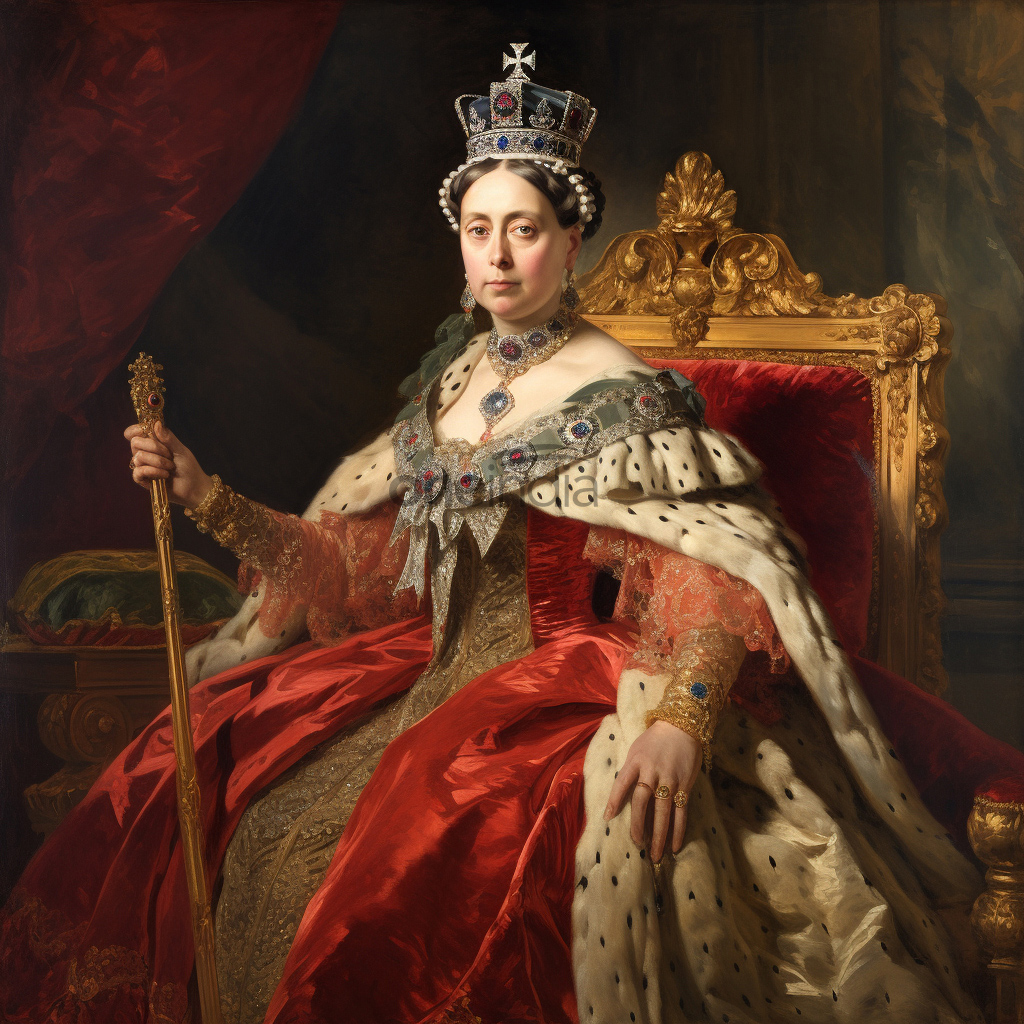
The British Crown assumes direct control over India after the end of the East India Company's rule, and Queen Victoria becomes the Empress of India.
1885
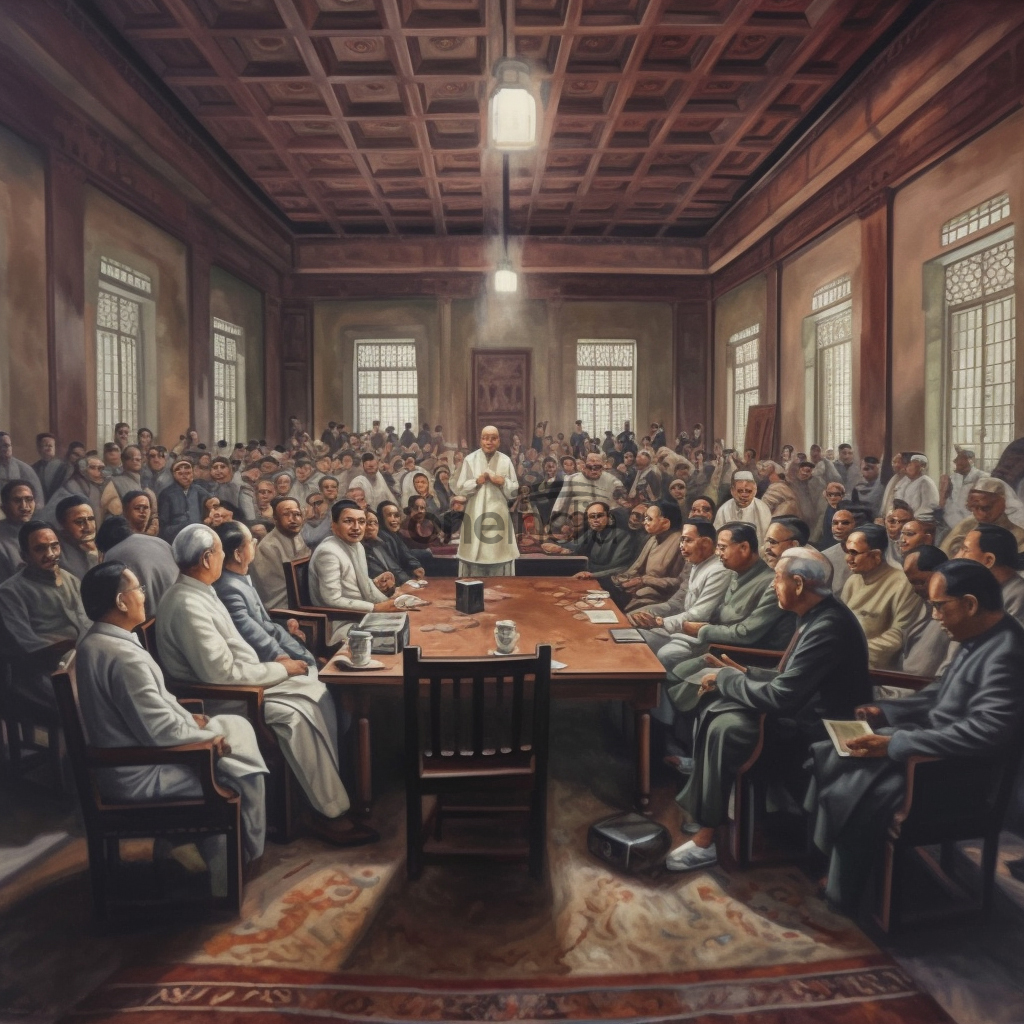
The Indian National Congress is founded, providing a platform for Indian political leaders to advocate for reforms and Indian representation.
 
Key Events after The First War of Independence
1857
The First War of Independence (Sepoy Mutiny): The Indian Rebellion against British rule erupted, led by Indian soldiers (sepoys) in the British East India Company's army. It marked the first major revolt against colonial rule.
1885
Formation of Indian National Congress: The Indian National Congress (INC) was established, becoming one of the key platforms for Indian nationalist leaders to demand self-rule.
1905
Partition of Bengal: British India was partitioned along religious lines, leading to widespread protests and civil disobedience movements, particularly in Bengal.
1935
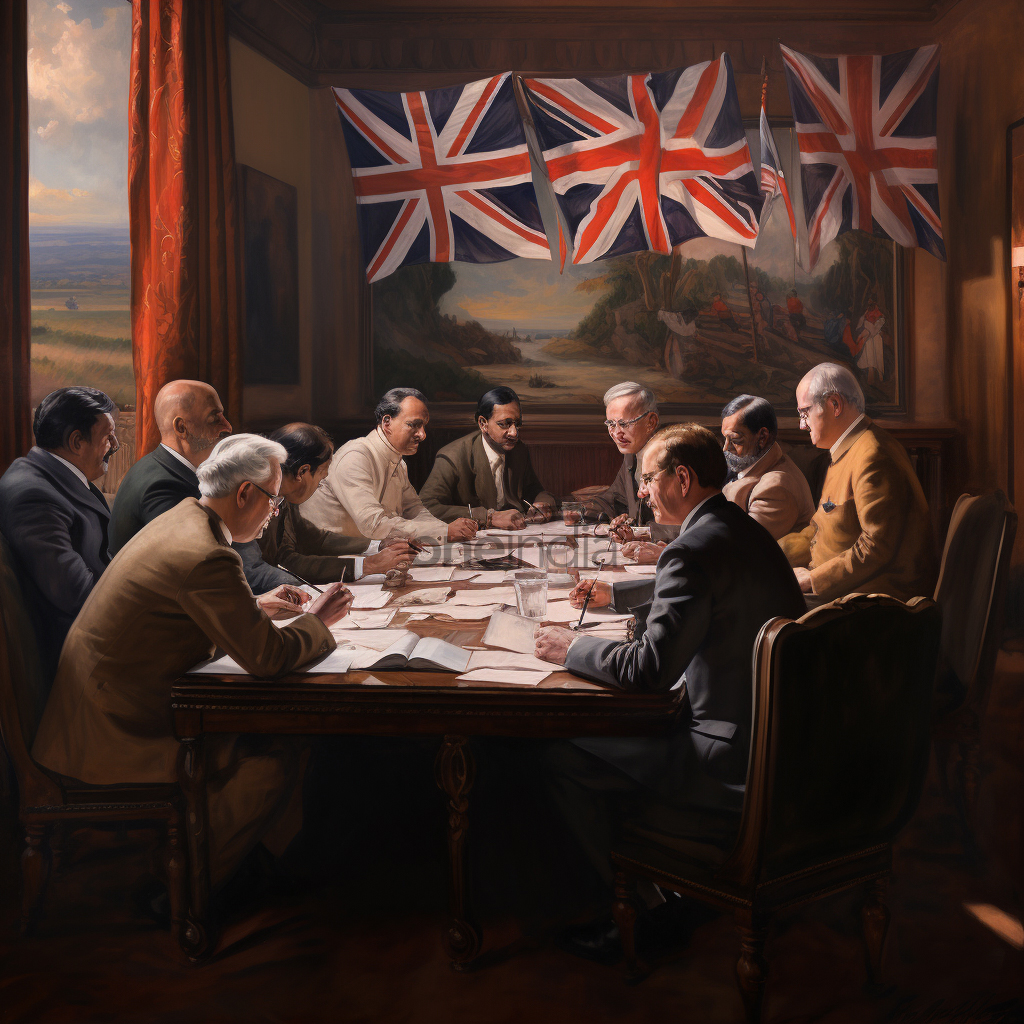
Government of India Act: The British government introduced constitutional reforms, granting some limited provincial autonomy but retaining significant control over India.
1942
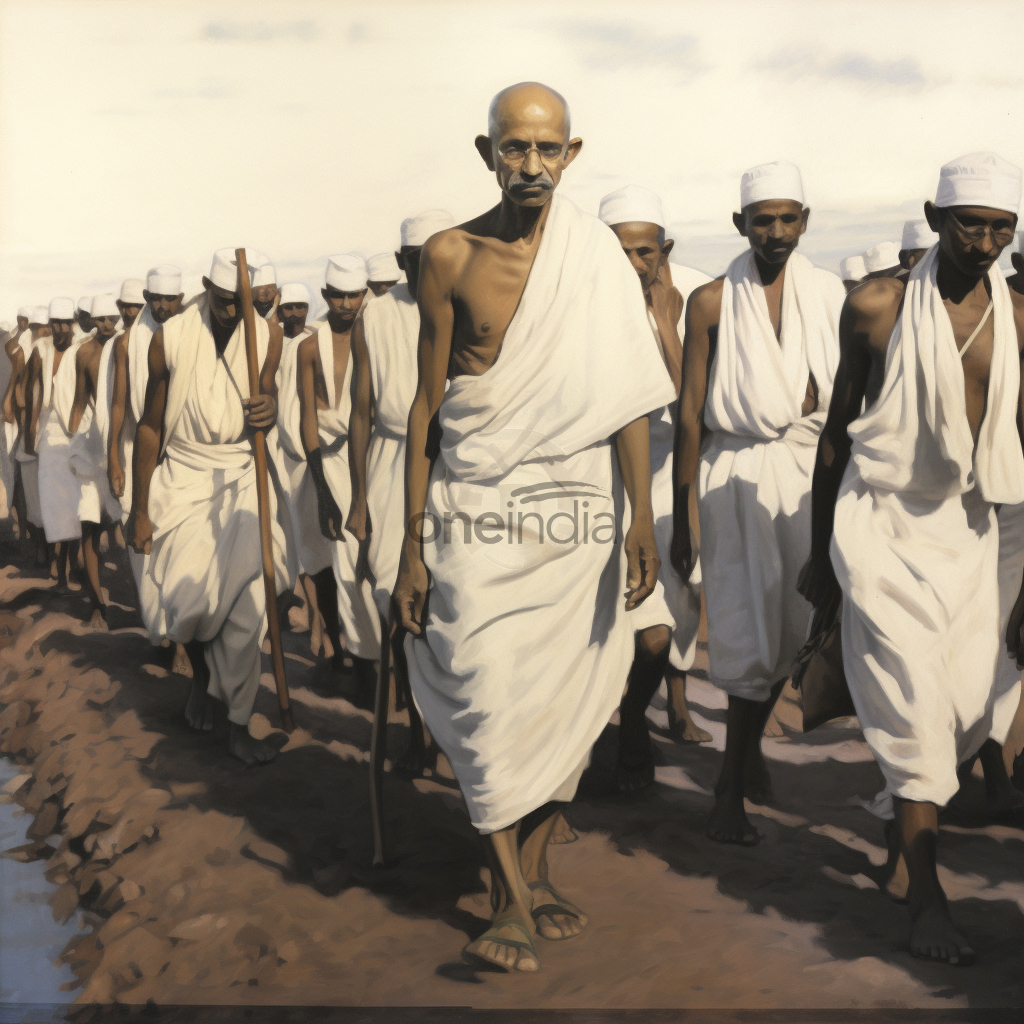
Quit India Movement: The INC launched the Quit India Movement, demanding an end to British rule. Mass protests and civil disobedience activities were met with severe repression by the British.
1947
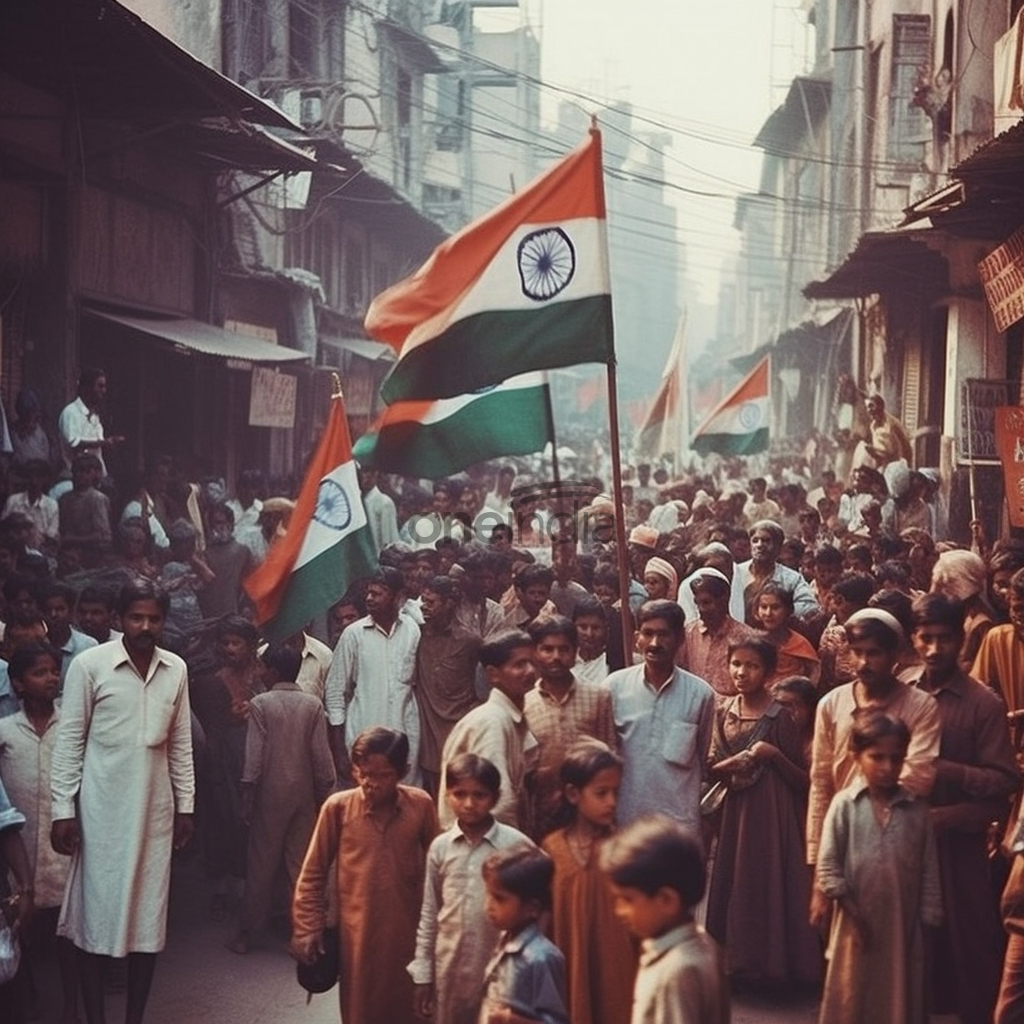
Independence and Partition: India gained independence from British rule on August 15, 1947. However, the country was also partitioned into India and Pakistan, leading to mass migrations and communal violence.
1950
Adoption of the Indian Constitution: India adopted its new constitution on January 26, 1950, establishing itself as a democratic republic.
 
Notifications
Settings
Clear Notifications
Notifications
Use the toggle to switch on notifications
  • Block for 8 hours
  • Block for 12 hours
  • Block for 24 hours
  • Don't block
Gender
Select your Gender
  • Male
  • Female
  • Others
Age
Select your Age Range
  • Under 18
  • 18 to 25
  • 26 to 35
  • 36 to 45
  • 45 to 55
  • 55+