


Will Petrol & Diesel Prices in India Rise Over Israel-Iran War?


The global energy markets are once again on high alert, with crude oil prices edging higher and analysts closely watching fuel inflation in India following the coordinated attack on Iran by Israel and the US on Saturday.
While India's petrol and diesel prices have remained relatively stable over the years, the potential for escalation in the Middle East could yet push fuel costs higher for Indian consumers.
AI-generated summary, reviewed by editors

Israel-Iran Conflict
The conflict between Israel and Iran, involving continued strikes by Israel on Iranian military and nuclear infrastructure and strong retaliatory rhetoric from Tehran, has kept markets jittery.
The risk of a broader confrontation, especially with the United States increasing its military presence in the region, has raised the spectre of supply disruptions through the Strait of Hormuz, a chokepoint through which around 20% of global crude oil shipments pass.
According to a report in Reuters, Brent crude, the global benchmark, hovered around $70-plus per barrel on Saturday, up from earlier levels, as traders factor in risk premiums related to these tensions.
"While it is entirely possible that an escalation does not lead to a supply disruption and the $3-5/b risk premium in oil prices fades quickly, even a 1 mb/d supply outage would further question the widely expected supply glut and push Brent to $80/b, in our view," investment bank Barclays told the news agency.
Some analysts, including Barclays, have warned Brent could climb to around $80 a barrel if real supply disruptions occur.
The recent rise in oil prices is partly due to risk pricing, where markets push prices up even without actual supply cuts as the fear of war increases freight insurance costs and shipping margins for tankers.
Latest Petrol and Diesel Prices in India (as of Feb 28, 2026):
Despite these global moves, retail fuel prices in India remain fairly stable today:
New Delhi: Petrol Rs 94.77/litre, Diesel Rs 87.57/litre
Mumbai: Petrol Rs 103.54/litre, Diesel Rs 90.03/litre
Bengaluru: Petrol Rs 103.06/litre, Diesel Rs 91.09/litre
Hyderabad: Petrol Rs 107.50/litre, Diesel Rs 95.70/litre
Chennai: Petrol Rs 100.93/litre, Diesel Rs 92.48/litre
These prices are set daily by India's oil marketing companies based on international crude markets and local taxes. While the current Iran-Israel tension hasn't yet translated into sharp fuel price hikes at the pump, crude price movements remain a key future determinant.
How Crude Prices Affect Indian Pump Prices?
India imports roughly 85-90 percent of its crude oil needs, mostly from the Gulf region - including Saudi Arabia, Iraq, the UAE, Kuwait, and Qatar and routes around half of this through the Strait of Hormuz. Any prolonged disruption, especially closure threats, would immediately tighten global supply and push crude prices up sharply.
A spike in crude prices directly affects India's fuel import bill and can put upward pressure on petrol and diesel rates at the pump. For example, each $1 rise in crude adds about $1 billion to India's annual oil import bill, which eventually filters through to domestic fuel prices.
Is India Buying Oil from Iran? What About Other Buyers?
India has not imported largee quantities of Iranian crude in recent years due to long-standing US. sanctions on Iranian oil exports, which limit trade with Tehran. While India was once a major buyer of Iranian oil, those imports fell sharply after sanctions were reimposed in 2019.
Instead, India sources most of its crude from Russia, Iraq, Saudi Arabia and other Gulf producers; recently it has increased purchases from these suppliers to diversify risk amid geopolitical uncertainties.
Meanwhile, despite sanctions, Iran continues to export oil indirectly through a complex "shadow fleet" system with China as its primary customer, accounting for over 80 percent of Iranian shipped crude in recent years. Chinese independent refiners buy discounted Iranian oil via intermediaries and sometimes relabel it to evade sanctions.
Other smaller buyers include Syria, Venezuela, and some vessels involved in shadow operations, but India is not a major current importer of Iranian crude due to sanctions constraints.
Outlook: Pressure on Fuel Prices in India?
At present, petrol and diesel prices in India have not surged dramatically. However:
- If Iran closes the Strait of Hormuz or conflict intensifies significantly, global crude could spike well above current levels, automatically raising India's fuel import costs.
- India's reliance on imports and vulnerability to shipping bottlenecks means fuel prices could move up if upstream costs rise.
- Strategic petroleum reserves and diversified sourcing provide a buffer, but they may not fully neutralize sharp crude price shocks.
In short, India's petrol and diesel prices have remained stable for now, but a prolonged or escalated Israel-Iran war could push crude prices higher and eventually result in steeper pump prices, especially if supply routes are disrupted or risk premiums stay elevated in global oil markets.
-
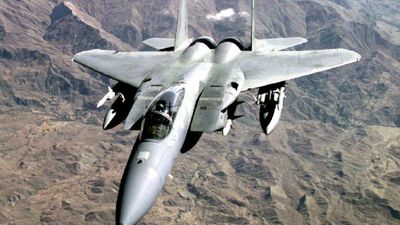 'Behind Enemy Lines' For Real: F15 US Pilot Rescue Unfolds Deep Inside Iran
 -
 US Confirms Fighter Jet Downed Over Iran, Tehran Announces Reward For Those Who Find Crew
 -
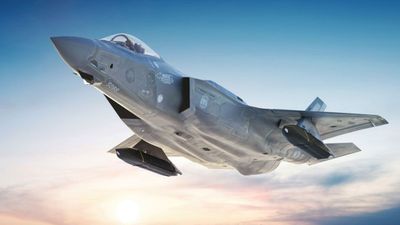 US Pilot Reportedly Ejects In Southwest Iran Amid Fresh Iranian Claims Of F-35, F-15E Downing
 -
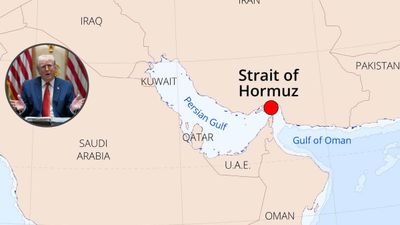 When Will Strait of Hormuz Reopen? Donald Trump’s Iran War Speech Suggests No Quick Relief
 -
 Stock Market Crashes As Sensex Falls Over 1,400 Points After Trump’s Iran War Warning, Oil Prices Surge
 -
 Centre Plans ₹2.5 Lakh Crore Credit Shield for Businesses Facing Iran Conflict Fallout
 -
 INS Taragiri To Join Indian Navy Fleet, Boosting Maritime Power
 -
 UK To Host 35-Nation Talks To Reopen Strait Of Hormuz Amid Oil Crisis
 -
 US-Sanctioned Iranian Tanker Diverts from India to China Mid-Voyage
 -
 Iran Shoots Down Second US F-35 Fighter Jet, Pilot Survival Unlikely
 -
 Iran Names 8 Gulf, Jordan Bridges as Possible Targets After Deadly Karaj Strike
 -
 Will Donald Trump Quit NATO After Iran War Rift? Europe Unites As Alliance Faces Its Biggest Crisis In Decades



 Click it and Unblock the Notifications
 Sign in with Google